
Flowers
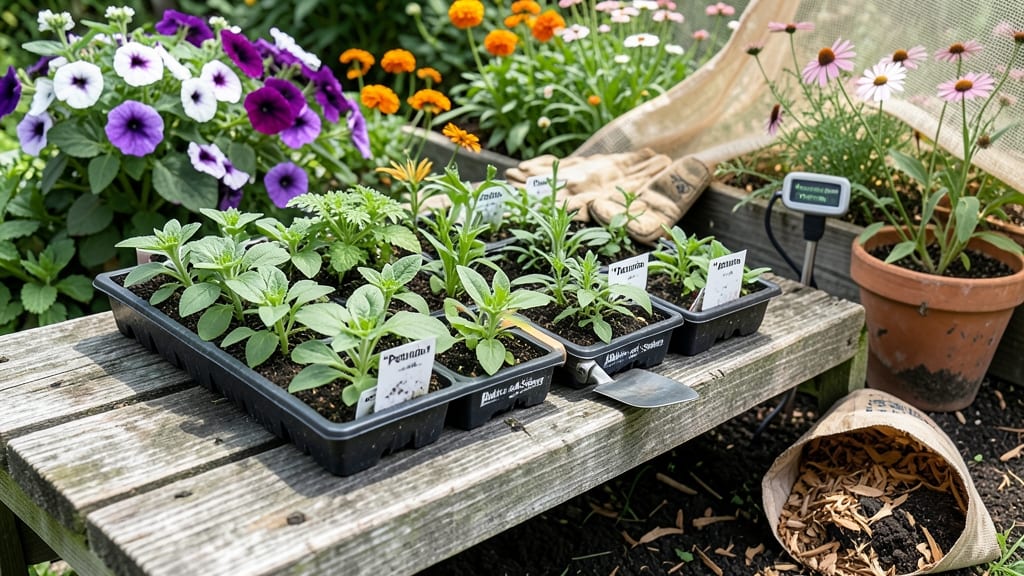
Planting flowers in Indiana at the right time means the difference between a showstopping garden and one that barely makes it past June. The 5b-6b climate zone gives you a narrow but critical window—get it wrong, and frost or heat can ruin your blooms before they even open.
Indiana’s unpredictable spring weather can turn even the most eager gardeners into anxious waiters—but timing your flower planting just right ensures a dazzling display from spring to frost.
With USDA Zones 5-6 offering a short but critical window, knowing the perfect planting schedule is key to avoiding frost damage and maximizing bloom time.
Most annuals and perennials thrive when planted after the last frost date, typically around mid-April, but bulbs and cold-hardy varieties can go in as early as March. Fall planting is another secret weapon—August and September are ideal for perennials that need to root before winter.
Below, I break down the exact months for your region, how to adjust for Indiana’s microclimates, and pro tips to stretch your blooms from spring through frost. No more guessing—just vibrant, reliable color all season long.
Indiana flower planting calendar by season: exact months for annuals and perennials
Indiana’s USDA Zones 5b-6b create a unique growing window where timing is everything. The average last frost date hovers around April 15, while the first frost typically arrives by October 20.
This 165-day frost-free season demands precision—plant too early, and frost will nip tender shoots; too late, and you’ll miss peak blooms. My strategy? Divide flowers into cool-season (spring/fall) and warm-season (summer) categories, then align planting with Indiana’s microclimates.
For cool-season annuals like pansies and snapdragons, I start seeds indoors in early March. These hardy beauties tolerate light frosts and even thrive in fall planting until mid-September.
Meanwhile, perennials like coneflowers and black-eyed Susans get their footing in early spring or early fall, when soil temps are ideal (around 60°F). Warm-season darlings like marigolds and zinnias? They wait until after May 1, when soil temps consistently stay above 55°F.
🌱
| Season | Plant Type | Best Planting Months | Notes |
|---|---|---|---|
| Spring | Cool-Season Annuals | March (indoors), April–May (outdoors) | Pansies, Snapdragons, Sweet Alyssum |
| Spring | Perennials | March–April (bare root), April–May (potted) | Coneflowers, Black-Eyed Susans, Daylilies |
| Summer | Warm-Season Annuals | May–June (after frost) | Marigolds, Zinnias, Petunias, Sunflowers |
| Fall | Cool-Season Annuals | August–September | Cosmos, Calendula, Stock |
| Fall | Perennials | September–October (6 weeks before frost) | Peonies, Lavender, Bee Balm |
| Year-Round | Bulbs | Fall (Oct–Nov) or Spring (March) | Tulips, Daffodils, Alliums |
My go-to tool for tracking Indiana’s frost dates is the National Oceanic and Atmospheric Administration (NOAA) frost prediction maps. I also rely on local Purdue Extension resources, which offer county-specific adjustments. For example, northern Indiana’s Zone 5b regions often see frost 1-2 weeks later than southern Zone 6b areas.
Pro tip: Use row covers or cold frames to extend the season by 2-3 weeks in both directions.
For warm-season flowers, I never rush—waiting until after May 1 ensures soil temps are ideal. My top picks for Indiana’s heat include zinnias (drought-tolerant) and sunflowers (fast-growing).
I also plant succession crops every 2 weeks from June through July to keep blooms going until frost. Petunias and geraniums thrive in containers, giving me flexibility to move them indoors before October’s chill.
Fall planting is my secret weapon for early spring color. I sow cool-season annuals like stock and calendula in late August for blooms by October
How to adjust planting times for Indiana’s microclimates: northern vs southern regions
Indiana’s USDA Zones 5-6 might seem similar, but the difference between northern and southern regions can shift your planting schedule by 2-3 weeks.
Northern Indiana’s cooler climate (Zone 5) often sees later last-frost dates (mid-to-late May), while southern Indiana (Zone 6) can start planting 2 weeks earlier—sometimes as early as early April. These differences matter for frost-sensitive flowers like petunias and marigolds.
Beyond zones, microclimates like urban heat islands, lake-effect cooling near Lake Michigan, and elevation changes create even more variation.
For example, Indiana Dunes National Park can feel like Zone 6a, while rural north-central Indiana might stay closer to Zone 5b. Adjusting for these factors ensures your annuals and perennials thrive without frost damage.
| Factor | Northern Indiana (Zone 5) | Southern Indiana (Zone 6) | Adjustment Tip |
|---|---|---|---|
| Last Frost Date | Mid-to-late May | Early-to-mid May | Wait until May 15 in north; plant petunias by April 20 in south. |
| First Frost Date | Late October | Mid-October | Start fall planting by August 15 in north; September 1 in south. |
| Urban Heat Islands | 2-3°F warmer | 3-5°F warmer | Plant heat-loving flowers (e.g., lantana) 1 week earlier in cities. |
| Lake Effect (Michigan) | Cooler, delayed spring | Minimal impact | Use row covers for early spring near lakes. |
| Elevation Impact | 1-2°F cooler per 1000ft | Minimal elevation change | Adjust planting dates 1 week later for every 500ft elevation gain. |
To fine-tune your schedule, check local weather data from sources like the Indiana State Climate Office or Almanac.com. For example, if your area had an early spring like 2021, you could plant pansies by March 15 in southern Indiana—but wait until April 1 in the north.
Always monitor soil temperatures; most flowers need soil at 50-60°F to germinate.
For perennials, fall planting is another critical window. In Zone 5, aim for late August to early September, while Zone 6 gardeners can extend this until mid-October.
This gives roots time to establish before winter. Daylilies and black-eyed Susans are great choices for fall planting—they’ll reward you with earlier blooms the following spring.
Don’t overlook hardiness charts for specific flowers. For instance, cold-hardy annuals like snapdragons can handle Zone 5’s late frosts, while tender perennials like canna lilies need to wait until soil warms. Use these charts to match plants to microclimates and avoid costly mistakes.
By accounting for these regional nuances, you’ll turn Indiana’s short growing season into a longer, more vibrant display of color—without the stress of frost surprises. Start with your local zone, then adjust for microclimates, and always keep an eye on the 10-day forecast for the safest planting times.