
Flowers
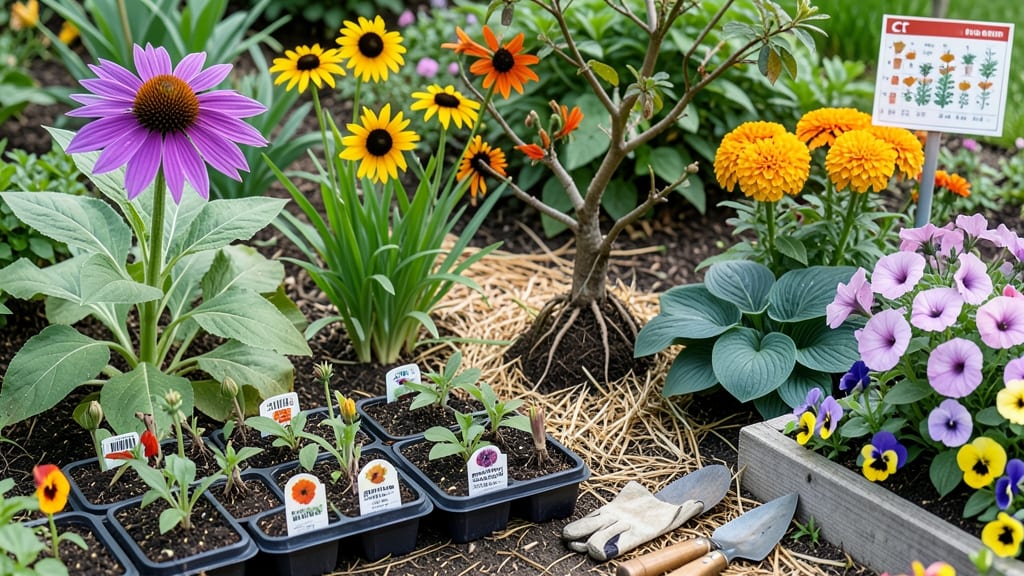
Planting flowers in Connecticut at the right time means the difference between a vibrant garden and a sad, frost-nipped experiment.
If you’ve ever watched your 🌸 bright petunias wilt overnight after a surprise frost, you know how quickly things can go wrong. Connecticut’s 5b-6b zones and coastal-inland climate shifts make timing everything—especially when you’re balancing spring’s last frost (around April 15) with fall’s first chill (mid-October).
Here’s the good news: with the right schedule, you can avoid those heartbreaking losses. Whether you’re planting annuals for summer color, perennials for year-round interest, or bulbs for early spring blooms, knowing exactly when to dig in—down to the week—sets you up for success.
Below, I’ll break down the best months for each flower type, adjust for your corner of CT, and share pro tips to stretch your blooms from June through October—no guesswork required.
Connecticut’s frost dates & best flower planting months by Zone
Connecticut’s USDA Hardiness Zones 5b-6b create a unique gardening challenge with variable frost dates that shift between coastal and inland regions. In Zone 5b, the average last spring frost arrives around April 15, while Zone 6b areas may see it as early as April 1.
Fall frosts hit Zone 5b by October 15 and Zone 6b by October 25, leaving a 165-day growing season—just enough for bold blooms if timed right.
For annual flowers, this means waiting until after May 15 for heat-loving varieties like petunias, while cool-season annuals (pansies, snapdragons) thrive when planted in early spring (March) or late summer (August). Perennials and bulbs have more flexibility, but fall planting (August-September) gives roots time to establish before winter.
Coastal CT (e.g., New Haven, Stamford) enjoys 2-3 weeks earlier frost dates than inland areas (e.g., Hartford, Litchfield). This means coastal gardeners can plant tender annuals like geraniums 2 weeks sooner in spring and extend fall blooms by 3 weeks longer than inland gardeners.
Here’s your CT-specific planting timeline, broken down by zone and flower type to maximize blooms:
| Zone/Region | Last Spring Frost | First Fall Frost | Best Planting Window | Ideal Flowers |
|---|---|---|---|---|
| Zone 5b (Inland) | April 15 | October 15 | March 15–May 15 (spring) / August 15–Sept 30 (fall) | Tulips, Peonies, Coneflowers, Marigolds |
| Zone 6b (Inland) | April 1 | October 25 | March 1–May 1 (spring) / August 1–Oct 15 (fall) | Dahlias, Black-Eyed Susans, Petunias, Snapdragons |
| Coastal (e.g., New Haven) | March 25 | November 1 | March 1–April 30 (spring) / July 15–Oct 31 (fall) | Geraniums, Impatiens, Zinnias, Chrysanthemums |
| Urban CT (Containers) | April 10 | October 20 | April 15–May 10 (spring) / August 1–Sept 20 (fall) | Pansies, Violas, Coleus, Bedding Plants |
For bulbs like tulips and daffodils, plant them in fall (October)—6 weeks before ground freezes—to ensure vibrant spring blooms. Perennials like coneflowers and black-eyed Susans can handle late spring planting (May) but thrive best when established in early spring.
Pro tip: Use row covers or cloche tunnels to extend your spring planting window by 2-3 weeks if a late frost threatens. This is especially useful for tender annuals like begonias and impatiens, which can’t tolerate frost.
Inland gardeners should prioritize hardy perennials (e.g., Russian sage, lavender) that survive harsher winters, while coastal gardeners can experiment with tropical-looking annuals like canna lilies that thrive in milder winters.
Always check your local nursery’s frost date tracker for real-time updates—CT’s weather can shift 1-2 weeks from the average!
Start seeds indoors 6-8 weeks before your last frost date for annuals like marigolds and zinnias. For perennials, divide clumps in early spring (April) or fall (September) to rejuvenate growth. And remember: soil temperature matters more than air temperature—wait until soil reaches 60°F before planting warm-season flowers.
🌱
Top 10 flowers to plant in Connecticut (with exact timing)
Connecticut’s diverse climate means your flower planting schedule should account for both last frost dates and microclimates. Whether you’re planting tender annuals or hardy perennials, timing is everything.
I’ve curated the top 10 cold-hardy flowers that thrive in CT’s USDA Zones 5b-6b, complete with month-specific instructions to maximize blooms.
From early spring bulbs like tulips to fall-blooming perennials like asters, these picks ensure year-round color. Pro tip: Use row covers for late spring plants if frost threatens. Let’s dive into the best flowers to plant and when to put them in the ground for a show-stopping Connecticut garden.
🌱 When to Plant Flowers in Connecticut: Exact Timing Guide
- March-April: Plant spring bulbs (tulips, daffodils) and cool-season annuals (pansies, violas). Soil should be 40°F+.
- Late April-May: Wait for last frost (avg. April 15) to plant warm-season annuals (petunias, marigolds) and perennial starts.
- June-July: Direct-sow heat-loving annuals (zinnias, cosmos) after soil warms to 60°F+.
- August-September: Plant fall-blooming bulbs (crocus, fall daffodils) and cool-season perennials (asters, sedum).
- October: Add winter-hardy annuals (pansies) and spring-blooming bulbs (tulips) before ground freezes.
My #1 recommendation for CT gardeners? Start with tulips and daffodils in early spring—they’re frost-resistant and bloom reliably. For longer seasons of color, pair them with black-eyed Susans (perennial) and petunias (annual). These combinations ensure blooms from April through October.
For container gardening, opt for petunias and geraniums—they thrive in pots and can be moved indoors before first frost (avg. October 15). If you’re in coastal CT, you might push planting dates 2-3 weeks later due to milder winters.
Always check your local frost date forecasts for precision.
Don’t forget to mulch perennials in fall with 3-4 inches of straw to protect roots. This simple step extends bloom seasons by 2-3 weeks in spring. For annuals, deadhead spent blooms weekly to encourage nonstop flowering through summer.
With these timing tips and CT-hardy flowers, your garden will be the envy of the neighborhood—frost-proof and full of color from spring to fall. Happy planting! 🌷