
Planting
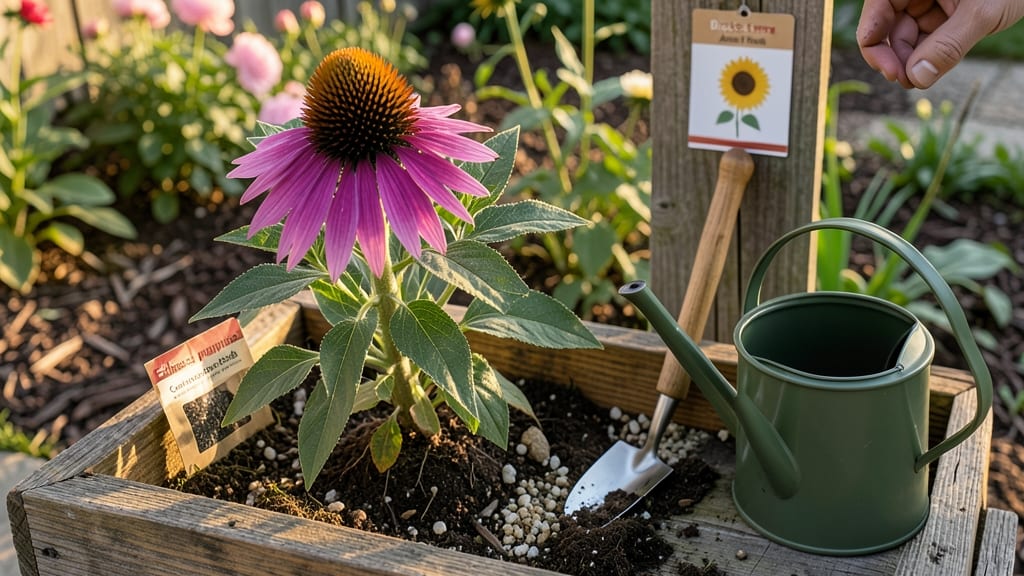
To plant cone flower seeds at the best time for strong germination, wait until late spring to early summer after the last frost when soil temperatures hit 60°F.
Coneflowers (Echinacea) 🌼 bring vibrant color to gardens while attracting pollinators—but planting them at the wrong time can mean poor germination or stunted growth. Timing is everything, especially when factoring in your local climate zone.
Most gardeners in USDA Zone 6a and warmer should sow seeds directly outdoors in May or June, while cooler regions may benefit from starting seeds indoors 4-6 weeks before the last frost date.
Below, I’ll break down the ideal planting windows by zone, soil prep tips, and how to adjust for your microclimate—so you can enjoy bold blooms all summer long.
Best planting times by USDA climate zone for coneflower seed success
Planting coneflower seeds at the right time ensures strong germination and healthy plants. Since Echinacea thrives in USDA zones 3-10, your local climate dictates whether you should plant in spring or fall.
Cold-hardy varieties like Echinacea purpurea handle early sowing, while tender types need warmer soil. Let’s break down the best windows for each zone to maximize your success.
In northern zones (3-5), fall planting is ideal because seeds germinate slowly in cool soil, avoiding frost damage. Meanwhile, southern zones (8-10) benefit from spring planting to prevent summer heat stress.
The key is aligning your timing with soil temperatures (aim for 60°F or warmer) and frost dates. Below, I’ve mapped out the best planting windows for each zone.
| USDA Zone | Best Planting Window | Soil Temp Requirement | Notes |
|---|---|---|---|
| 3-4 | Late summer to early fall (Aug-Sept) | 50-55°F | Fall sowing avoids harsh winters; mulch heavily. |
| 5-6 | Spring (April-May) or fall (Sept) | 60°F+ | Spring preferred; fall works if soil isn’t frozen. |
| 7 | Spring (March-April) or fall (Oct) | 55-60°F | Fall planting risks early frost; spring is safer. |
| 8-9 | Spring (Feb-March) or fall (Nov) | 65°F+ | Spring ideal; fall sowing needs protection from heat. |
| 10 | Spring (Jan-Feb) only | 70°F+ | Fall planting fails due to mild winters; spring is critical. |
For zones 3-4, focus on fall planting (August-September) when soil cools but remains workable. Coneflower seeds need 4-6 weeks to germinate, so timing them to sprout before winter sets in is crucial. A thick layer of mulch (3-4 inches) protects seeds from freezing temperatures.
Gardeners in zones 5-6 have flexibility—both spring and fall work, but spring (April-May) is often more reliable. Wait until the last frost date has passed and soil reaches 60°F. If planting in fall, aim for 6-8 weeks before frost to allow germination before winter.
In zone 7, spring planting (March-April) is the safest bet. Fall sowing is riskier due to unpredictable frost timelines, but if you choose this method, use row covers to extend the season. Always test soil moisture—dry soil delays germination, while soggy soil causes rot.
Southern zones (8-10) thrive with spring planting (February-March) to avoid summer’s intense heat. Coneflowers in these areas can also handle fall sowing (November), but seeds may germinate too quickly in warm soil. Use shade cloth if planting in late summer to prevent heat stress.
Pro tip: If your zone isn’t listed or you’re unsure, use a soil thermometer to check temperatures. Coneflower seeds need consistent warmth (above 50°F) to sprout. In drought-prone zones, water seeds lightly daily until germination to maintain moisture without over-saturating.
Remember, coneflowers are perennial, so patience pays off. Even if germination takes 2-3 weeks, established plants will reward you with years of blooms. Adjust your timing based on local weather patterns—dry spells or unexpected frosts can shift the ideal window.
For best results, pair planting with well-draining soil and full sun exposure. Once seeds sprout, thin seedlings to 12-18 inches apart to give roots room to grow. With the right timing, your garden will soon buzz with pollinators and vibrant purple blooms! 🌼
How to adjust planting time for your local weather patterns
Your USDA zone gives you a starting point, but local weather patterns often dictate the best time to plant coneflower seeds. If your area has unpredictable frost dates or heavy rainfall, you’ll need to adjust standard schedules.
For example, I once planted Echinacea in early May only to watch seedlings rot from late-night frosts—until I learned to wait for soil temperatures to stay above 60°F for 5+ days.
Start by checking your local frost dates (not just USDA averages). Websites like the National Weather Service or local agricultural extensions provide 10-year averages for your exact location.
In my Zone 6b garden, the last frost typically arrives around April 20th, but I’ve seen it shift by 2 weeks either way. Planting too early risks seed rot or seedling damage.
Next, monitor soil temperature with a simple soil thermometer ($10 at garden centers). Coneflower seeds need soil that’s at least 60°F to germinate properly. If your soil warms slowly (common in northern climates), consider starting seeds indoors 6-8 weeks before your last frost date.
I use grow lights to mimic spring conditions, giving seedlings a head start.
- 📅 Step 1: Verify Local Frost Dates
Cross-reference USDA zone guidelines with your city’s 10-year frost averages. Example: Zone 7 might say "plant after March 15," but your town’s data could show April 5 as safer. - 🌡️ Step 2: Test Soil Temperature
Use a soil thermometer to confirm 60°F+ for 5+ days. If soil heats slowly (e.g., Zone 4), start seeds indoors in March for May transplanting. - 🌧️ Step 3: Adjust for Rainfall
In wet climates, wait until soil is dry enough to crumble before planting. In dry areas, pre-soak seeds for 24 hours to prevent desiccation.
Rainfall also plays a critical role. If your area gets consistent afternoon showers, delay planting until seedlings can establish roots before the next downpour. I once lost a batch of coneflower seeds because I planted them during a 7-day forecast of 2-inch rains—the seeds washed away before germinating.
For drought-prone regions, consider mulching immediately after planting to retain moisture.
Don’t overlook microclimates in your garden. A south-facing slope warms up faster than a shady corner, so you might plant seeds 2 weeks earlier in sun-exposed areas.
I’ve successfully grown Echinacea in Zone 5 by planting on a sunny hillside in early May, while my neighbor’s low-lying garden waited until June. Observe your garden’s sun exposure patterns for a week to spot these differences.
Finally, keep a planting journal to track what works in your microclimate. Note the exact date you planted, soil conditions, and germination success.
Last year, I discovered that late July was an ideal second planting window for my Zone 6b garden, producing blooms that lasted until first frost. Adjusting your schedule based on real data (not just zone guidelines) will save you time and frustration.