
Plants
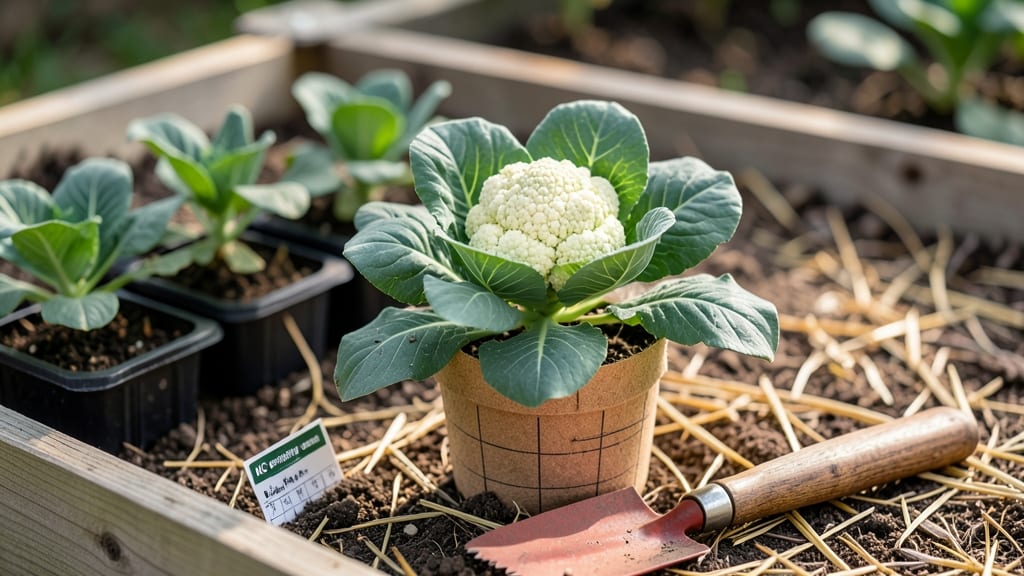
Planting cauliflower in NC at the right time means catching the 60- to 100-day window between frost and heat stress — and missing it means bolting heads or stunted growth.
North Carolina’s warm winters and unpredictable frost patterns can make timing your cauliflower planting a real challenge. Get it wrong, and you’ll miss the harvest window entirely, leaving you with bitter, tough heads or nothing at all.
For spring crops, aim for late February to early March in most of the state, while fall plantings should go in between July and early August. These windows align with soil temperatures and frost-free periods to give your 🥬 the best shot at success.
Below, I’ll break down the exact frost dates by region, how to adjust for microclimates, and the simple soil prep that makes all the difference between a perfect harvest and a wasted effort.
NC frost dates and ideal cauliflower planting windows by region
North Carolina’s diverse climate—from the Coastal Plain to the Mountain regions—creates unique planting challenges for cauliflower. Understanding your USDA hardiness zone (7a-8b) and average frost dates is key to timing your spring and fall crops correctly.
Coastal areas like Wilmington have later last frosts, while the Blue Ridge Mountains can see frost as late as May in high elevations. Let’s break down the ideal planting windows for each region to maximize your harvest.
Cauliflower thrives in cool weather but bolts (goes to seed) in hot temperatures. In NC, this means spring planting should happen 4-6 weeks before your last frost date, while fall planting must occur early enough to mature before first frost.
Coastal areas (Zones 8a-8b) have a longer growing season, while Piedmont (Zone 7b) and Mountain (Zone 7a) regions require earlier starts to avoid summer heat stress. Let’s dive into the specifics for each region.
| Region | USDA Zone | Last Frost Date | First Frost Date | Spring Planting Window | Fall Planting Window |
|---|---|---|---|---|---|
| Coastal (e.g., Wilmington, Morehead City) | 8a-8b | March 1-15 | November 1-15 | Late February - Early April | July 15 - August 15 |
| Piedmont (e.g., Raleigh, Greensboro) | 7b | March 15-30 | October 31 - November 10 | Late February - Early March | July 1 - August 1 |
| Mountains (e.g., Asheville, Boone) | 7a | April 1-15 | October 15 - November 1 | Early March - Mid-April | June 15 - July 15 |
For Coastal NC, where winters are milder, you can start spring cauliflower seeds indoors as early as January for transplanting in February. This gives your plants a head start before the March frost passes.
In contrast, Mountain regions should delay planting until early April to avoid late-spring frosts, which can damage young seedlings. The Piedmont falls in between, with a late February to early March window for spring planting.
Fall planting requires even more precision. In Coastal areas, you have until mid-August to sow seeds for a harvest before November frost.
However, in the Mountains, you must plant by mid-July to ensure heads mature before October’s first frost. Succession planting every 2-3 weeks during these windows extends your harvest and reduces waste.
For example, if you plant July 1, July 15, and August 1 in the Piedmont, you’ll have a staggered harvest from September through November.
Don’t overlook soil temperature—cauliflower seeds need soil temps above 40°F (4°C) to germinate. Use a soil thermometer to confirm readiness, especially in Mountain regions where cooler nights delay warming. If your soil is too cold, opt for transplanting seedlings instead of direct sowing.
Coastal gardeners can push the envelope slightly, but Piedmont and Mountain growers should err on the side of caution to avoid bolting from heat stress.
Pro tip: Use row covers or cold frames to extend your spring harvest in cooler zones. These tools protect young plants from late frosts and can add 2-3 weeks to your growing season.
In the Coastal Plain, where humidity is higher, prioritize well-draining soil and spacious spacing (18-24 inches apart) to prevent disease pressure like downy mildew. Mountain gardeners, meanwhile, should focus on wind protection and rich organic matter to compensate for shorter growing seasons.
Regional variations also affect cauliflower varieties. Coastal gardeners can try heat-tolerant varieties like ‘Cheddar’ or ‘Purple of Sicily’, while Mountain growers may prefer ‘Snowball Y Improved’ or
How to adjust planting timing for NC’s microclimates and soil conditions
North Carolina’s diverse landscapes—from the Coastal Plain to the Mountain region—create unique growing conditions that demand flexibility in your cauliflower planting schedule. Urban gardens, high-altitude areas, and varying soil types (like sandy loam or clay-heavy soil) all require adjustments to ensure your plants thrive.
The key is understanding how these factors interact with your local frost dates and soil temperature.
For example, Asheville’s cooler climate (USDA Zone 7a) allows for earlier spring plantings compared to Raleigh’s warmer Piedmont (Zone 7b). Meanwhile, sandy soils drain quickly and may need more frequent watering, while clay soils retain moisture longer but can become waterlogged.
Transplanting strategies and cold-hardiness tips will help you navigate these challenges like a pro.
- Urban Gardens: Use container gardening with well-draining soil mixes to control moisture. Plant 6-8 weeks before last frost but monitor microclimate heat from buildings.
- High-Altitude Areas: Extend growing season with row covers or cold frames. Start seeds indoors 8-10 weeks early for cooler zones like Zone 6.
- Sandy Soil: Amend with organic matter (compost/peat moss) to retain moisture. Water daily in hot weather to prevent stress.
- Clay Soil: Improve drainage with gypsum or sand. Plant 1-2 weeks later than recommended to avoid waterlogged roots.
- Transplanting: Harden off seedlings for 7-10 days before moving outdoors. Plant in evening hours to reduce transplant shock.
- Cold-Hardiness: Choose cold-tolerant varieties like ‘Snowball Y Improved’ for early plantings. Use mulch to protect roots from temperature swings.
If you’re gardening in urban areas, container growing gives you control over soil conditions but requires vigilant watering schedules. I’ve found that self-watering pots with moisture sensors help maintain consistent soil moisture, which is critical for cauliflower.
For high-altitude gardens, like those in the Blue Ridge Mountains, focus on season extension techniques—such as using low tunnels or cold frames—to protect young plants from late frosts.
Soil type plays a huge role in planting timing. In sandy soils, which warm up faster in spring, you can plant cauliflower 1-2 weeks earlier than in clay soils, which stay cooler longer.
Test your soil’s drainage and pH (ideal range: 6.0-7.0) before planting. Amending with compost or aged manure improves both structure and fertility, helping your plants establish faster.
For transplanting strategies, always harden off seedlings gradually to avoid shock. I recommend planting in the late afternoon or evening when temperatures are cooler.
If you’re dealing with unpredictable frost dates, opt for succession planting—sow a second batch of seeds 2-3 weeks after your initial planting to ensure a continuous harvest. This is especially useful in fall plantings when nights grow chilly quickly.
Finally, don’t overlook cold-hardiness tips. While cauliflower isn’t frost-tolerant, young seedlings can handle light frosts (down to 25°F) if protected. Use row covers or straw mulch to insulate plants during temperature drops.
Varieties like ‘Purple of Sicily’ or ‘Romanesco’ are excellent choices for extended-season growing and can handle cooler conditions better than standard white varieties.