
Flowers
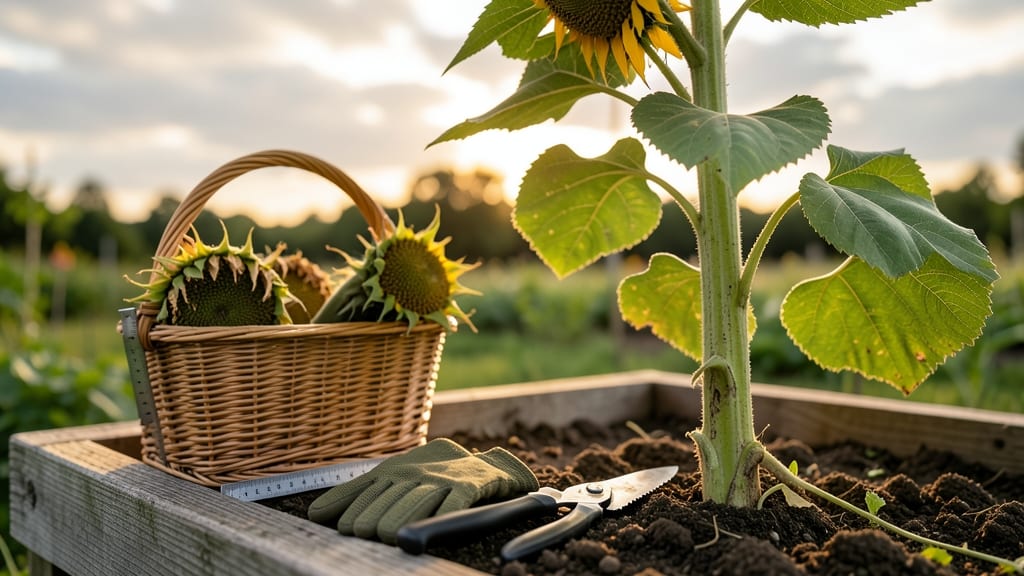
You should pick sunflowers 🌻 when the back of the flower head turns brown and the petals begin to droop—this is the sweet spot for both seeds and bouquets.
Picture this: you’ve waited all summer for your towering 🌻 sunflowers to bloom, only to wonder if you’re harvesting them too soon or too late. The difference between a perfect bouquet and a wilted mess—or between viable seeds and wasted effort—comes down to timing.
Get it right, and you’ll enjoy sunflowers at their peak for weeks (or save seeds for next year’s garden).
For cut flowers, aim for fully open blooms with vibrant petals—morning is the best time to snip stems for maximum vase life. But if you’re after seeds, wait until the flower head browns and the seeds rattle when shaken.
Miss this window, and frost or birds could ruin your harvest before you know it.
Below, I’ll break down the exact signs to watch for, plus pro tips to extend freshness or store seeds properly. No more guessing—just foolproof timing for sunflowers that shine in every way.
Optimal stages for cutting sunflowers for bouquets
Harvesting sunflowers at the right stage ensures your bouquets stay vibrant and long-lasting. The best time to cut is when the flower head is fully open but hasn’t started wilting.
This balance guarantees maximum vase life and prevents premature petal drop. Morning is ideal because stems are hydrated, reducing stress on the cut flowers.
Look for bright yellow petals that face outward, signaling peak bloom. The back of the flower head should be mostly brown or tan, not green. This indicates the flower is mature enough to cut but hasn’t overripe. Avoid harvesting if petals are drooping heavily or seeds are fully mature.
Timing matters even more for sunflower varieties. Dwarf varieties like ‘Teddy Bear’ mature faster (about 60-70 days), while giant types like ‘Mammoth’ take longer (90-120 days). Check your variety’s days to maturity label to plan your harvest window accurately.
Here’s a quick reference to identify the perfect cutting stage:
| Stage | Petal Condition | Flower Head Back | Best Time to Cut |
|---|---|---|---|
| Early Bloom | Partially open, green centers | Mostly green | Not ready |
| Peak Bloom | Fully open, bright yellow | Brown/tan, 50-70% coverage | Ideal for cutting |
| Late Bloom | Drooping, fading color | Mostly brown, seeds visible | Overripe, avoid cutting |
To extend vase life, cut stems at a 45-degree angle just above a leaf node. Remove lower leaves that will sit in water to prevent bacterial growth. Place stems immediately in lukewarm water with a flower preservative (like sugar and bleach mix) to keep them fresh longer.
Harvesting in the early morning is crucial because stems are fully hydrated. Avoid cutting after midday heat or before sunrise dew dries, as this can stress the flowers. Store cut sunflowers in a cool, dark place until arranging to preserve their freshness.
If you’re arranging multiple bouquets, space out your harvests by 2-3 days to ensure a steady supply of fresh flowers. This staggered approach prevents overloading your garden and keeps your bouquets looking their best. Always use sharp, clean pruners to avoid crushing stems.
After cutting, recut stems every 2-3 days to encourage water uptake. Change the vase water every 2 days to prevent bacterial buildup, which shortens vase life. With proper care, your sunflower bouquets can last 7-10 days or longer, rivaling commercial cut flowers.
Pro tip: Add a pinch of bleach (1/4 tsp per quart of water) to your vase water to slow bacterial growth and keep stems crisp. This simple trick can add 2-3 extra days of freshness to your arrangements.
Finally, avoid harvesting sunflowers during hot afternoons or before frost threatens. Early morning or late evening cuts yield the best results. With these tips, your sunflower bouquets will be the star of any room!
When and how to harvest sunflower seeds for planting
Harvesting sunflower seeds at the right time ensures high-quality seeds for next year's garden. The key is waiting until the flower head fully matures but before seeds scatter or sprout.
Most sunflowers reach this stage between 70-120 days after planting, depending on the variety. I’ve learned that patience pays off—waiting too long means losing seeds to birds or weather.
Start by checking the flower head for visual cues: the back should turn brown or tan, and the petals will naturally droop. When you gently shake the head, you’ll hear seeds rattling inside—that’s your signal.
I always test a few heads first to confirm maturity before harvesting the whole plant.
⚠️ callout-warning
Waiting until the flower head splits open or seeds sprout means birds and wind will steal your harvest. If frost threatens before seeds mature, cover plants with row fabric to protect them. Never harvest seeds when the flower head is still green—this guarantees poor germination.
🌾 Pro Tip: Harvest on a dry day to prevent mold during drying.
To harvest, cut the flower head from the stem, leaving a 2-inch stem attached. Hang heads upside down in a dry, well-ventilated space like a garage or shed.
I use old pantyhose or mesh bags to contain seeds while allowing airflow. This process takes 1-2 weeks—check weekly to avoid over-drying.
Once seeds are completely dry and rattle easily, rub the head between your hands to release seeds. Remove any debris or chaff by winnowing (tossing seeds in the air to let wind separate them).
Store seeds in a paper envelope or airtight container in a cool, dark place—they’ll stay viable for 2-3 years if kept dry.
Test seed viability by placing 10 seeds in a damp paper towel for 5 days. If 80%+ sprout, your seeds are ready to plant. I’ve found that storing seeds in the fridge extends their shelf life even longer.
Always label containers with the variety name and harvest year to avoid confusion.
Common mistakes like harvesting too early or storing seeds in humid conditions can ruin your crop. I’ve lost seeds to mold twice—now I double-check moisture levels before storage. With the right timing and care, you’ll have a bountiful seed harvest ready for next spring’s garden.