
Flowers
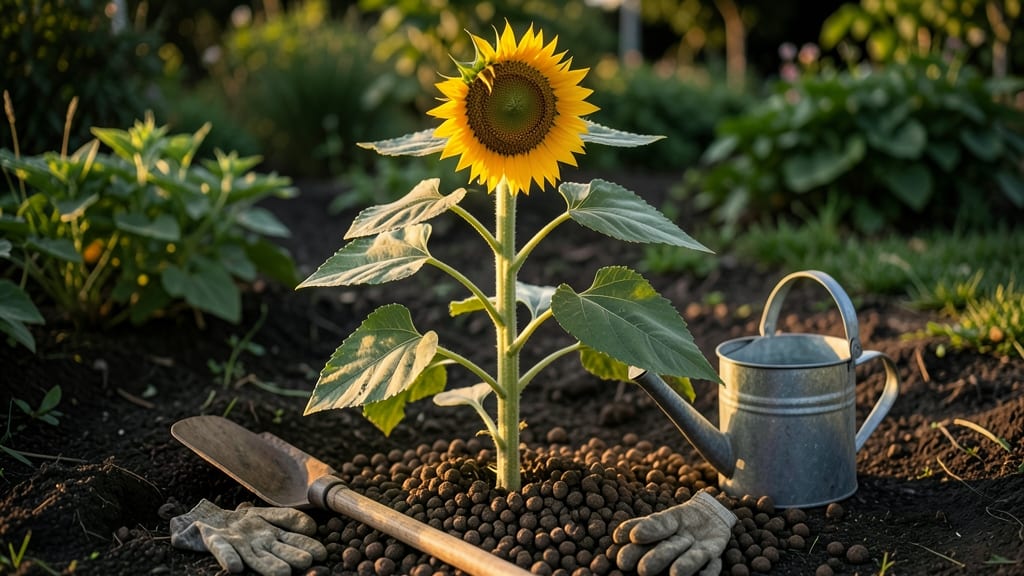
Fertilizing sunflowers at the right times turns tiny seeds into towering blooms—but timing matters more than you think.
Picture this: you’ve planted your 🌻 sunflowers in Zone 6a, and they’re thriving—until you realize they’re not reaching their full height or producing those vibrant petals you dreamed of. The secret? Fertilizing at three critical stages—before planting, during early growth, and as they flower—can make all the difference.
Most gardeners overlook the fact that sunflowers need a balanced approach—too much fertilizer too soon can stunt growth, while skipping it entirely leaves them weak.
Whether you’re using organic compost or a synthetic blend, knowing when and how to feed them ensures strong stems, lush foliage, and showstopping blooms by summer’s end.
Below, I’ll break down the exact timing, fertilizer types, and soil tips to keep your sunflowers reaching for the sky—without the guesswork.

3 Critical fertilization times for sunflowers (with exact growth stages)
Sunflowers thrive when fertilized at the right moments—not too early, not too late. The three key fertilization windows align with their natural growth phases: pre-planting, early growth, and flowering. Skipping any stage can lead to stunted stems or weak blooms, so timing is everything.
Let’s break down the exact growth stages and how to adjust for organic vs. synthetic fertilizers.
First, test your soil’s pH (ideal: 6.0–7.5) and nutrient levels before planting. Sunflowers are heavy feeders but hate excess nitrogen, which promotes leafy growth over blooms.
Organic options like compost or bone meal work well, while synthetic blends (like 10-10-10) provide quick nutrients. The goal? Fuel each growth phase without overloading the plant.
🌱 When to Fertilize Sunflowers: Growth Stage Guide
- 🌱 Pre-Planting (2–4 weeks before sowing)
Apply 1–2 inches of compost or a low-nitrogen fertilizer (5-10-10) to enrich soil. This boosts root development before seeds sprout. - 🌱 Early Growth (6–8 inches tall)
Use a balanced fertilizer (10-10-10) or fish emulsion to support stem strength. Avoid high nitrogen—it delays flowering. - 🌼 Flowering (Bud formation)
Switch to a phosphorus-heavy feed (5-20-20) or bone meal to encourage blooms. Apply when buds appear but petals haven’t opened.
For organic gardeners, compost tea or worm castings are excellent pre-planting amendments. Synthetic users should opt for slow-release granules to avoid nutrient spikes. Pro tip: Water the soil deeply before fertilizing to prevent root burn.
Timing matters just as much as the type of fertilizer. In USDA Zone 6a, start pre-planting prep in late March (2–4 weeks before the last frost).
Early growth fertilization happens in May–June, and flowering feeds go in July when buds form. Adjust for cooler zones by delaying by 2–4 weeks.
Watch for yellowing leaves or weak stems—signs of missed fertilization windows. Over-fertilizing here causes leafy growth with no blooms, while under-fertilizing leads to pale petals or stunted height. The key is balance: feed the roots early, support the stem mid-season, and nourish the blooms late.
Container growers should halve fertilizer amounts since roots have less soil to access. Mix 1 tbsp of 10-10-10 into the top inch of soil for pots, then repeat every 4–6 weeks.
Mulch with straw after fertilizing to retain moisture and nutrients—sunflowers drink 1–2 gallons of water weekly during peak growth.
If your sunflowers are already in stem elongation (3–4 feet tall), don’t panic—just switch to a low-nitrogen, high-phosphorus feed (like 0-10-10) to push flowering. Avoid fertilizing after petals open; the plant shifts energy to seed production, not new growth.
For dwarf varieties (1–3 feet), reduce fertilizer by 30–50%—they need less support. Standard varieties (6–14 feet) thrive with the full regimen. Always fertilize in the morning to prevent nighttime fungal risks from damp leaves.
Remember: Sunflowers are annuals, so all their energy goes into one growing season. Get the fertilization timing right, and you’ll reward yourself with bold blooms and towering stems that turn heads (and Instagram feeds). 🌻
How to choose the right fertilizer for sunflowers (n-p-k ratios explained)
Sunflowers thrive when you match their fertilizer needs to their growth stages. Unlike leafy greens, they need low nitrogen—too much makes them grow tall but weak. Instead, focus on phosphorus for roots and potassium for blooms.
A balanced 10-10-10 or 5-10-10 ratio works best, but organic options like compost or bone meal can be even better. Let’s decode those labels so you never over- or under-feed again.
Start with a soil test to check pH (ideal: 6.0–7.0). If your soil lacks nutrients, sunflowers will show yellow leaves or stunted growth. For most gardeners, a light pre-planting feed (like compost or worm castings) sets the stage.
Then, use a phosphorus-rich fertilizer (like bone meal) when stems reach 6–8 inches tall to boost root and flower development.
Here’s how to compare your options—organic vs. synthetic—so you pick what works best for your garden:
Avoid high-nitrogen fertilizers like 10-6-4—they’ll make your sunflowers grow like weeds but fail to bloom. Instead, pair bone meal (for roots) with a low-nitrogen blend (like 5-10-10) during flowering. For organic gardeners, compost tea or manure tea (well-aged!) adds nutrients without risk.
If your sunflowers start drooping or wilting despite good water, they’re likely potassium-deficient. Switch to a potassium-rich fertilizer (like wood ash) and watch them perk up. Always water before fertilizing to prevent root burn—especially with synthetics.
For container sunflowers, half the dose of fertilizer to avoid salt buildup. And remember: less is more! Sunflowers are hardy and often do well with minimal feeding if your soil is healthy. Test it annually to keep them thriving year after year. 🌻