
Propagation
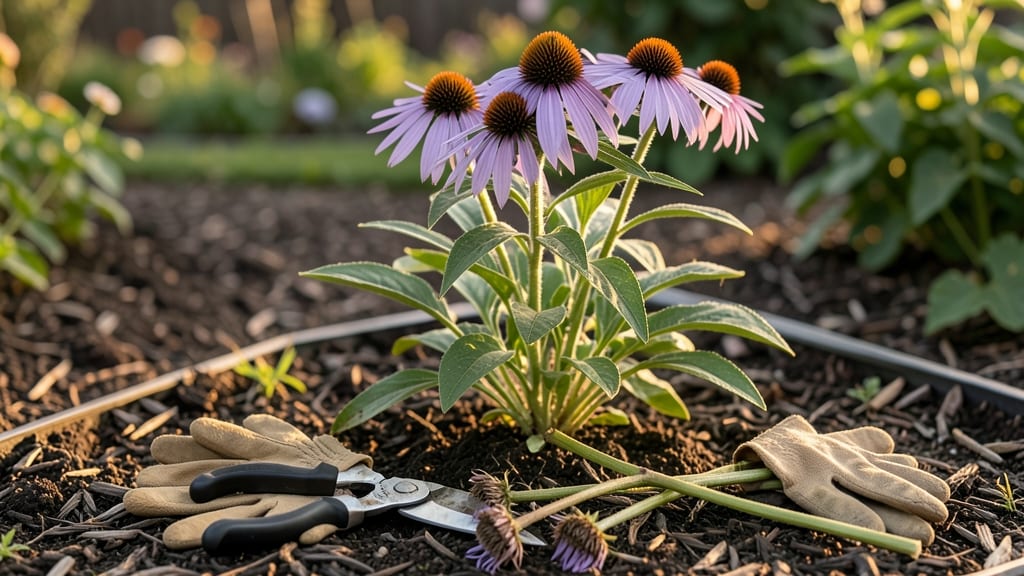
To cut coneflowers at the perfect time ensures stronger stems and more vibrant blooms next season—so don’t wait until the last minute.
If you’ve ever wondered whether to trim your coneflowers in winter—or risk losing their stunning blooms—timing is everything. Cutting at the wrong moment can weaken your plants, while the right approach ensures vibrant spring growth and healthier stems.
For most gardeners in USDA Zone 6a, the best window is late winter—February or March—just as new growth begins but before the rush of spring. This gives your 🌼 coneflowers a head start on recovery without inviting disease or pests.
Below, I’ll break down the exact steps, regional adjustments, and whether to leave those seed heads for wildlife or cut them for a tidy look. You’ll leave here with a clear plan to prune like a pro.
Best time to prune coneflowers for optimal spring growth
Timing your coneflower pruning is critical for encouraging strong spring regrowth. These hardy perennials thrive when cut back at the right moment—typically in late winter—just before new growth begins.
Pruning too early can shock the plant, while waiting too long may leave it vulnerable to pests or disease during dormancy.
In cold climates (USDA Zones 3-6), aim for February to early March when the ground is still frozen or thawing. For mild climates (Zones 7-10), January to February works best, as the plant hasn’t yet broken dormancy.
This timing ensures you remove dead foliage without disturbing fresh spring shoots.
Here’s what you need to know about when to cut coneflowers based on your climate and plant condition:
| Climate Zone | Best Pruning Time | Signs Plant Is Ready | Avoid Pruning If... |
|---|---|---|---|
| Cold (Zones 3-6) | February-March | Dead stems remain; no new growth yet | Green shoots appear (wait 2-3 weeks) |
| Mild (Zones 7-10) | January-February | Old foliage is brown and crispy | Plant shows early spring growth |
| All Zones | After last frost date | Soil is workable but not warm | Frost is predicted in 48 hours |
Look for dry, brown stems and no visible buds as clear signs your coneflowers are ready. If you see green shoots or swollen buds, delay pruning by 2-3 weeks. These signs indicate the plant is waking from dormancy, and cutting too soon can stunt new growth.
Another key indicator is the seed heads from last year’s blooms. If they’re still intact but brittle, it’s safe to prune. However, if you’re leaving them for wildlife (birds and bees), trim only the dead foliage around the base while preserving the seed heads until spring.
Pruning too early—like in late fall or early winter—can expose the plant’s crown to cold, increasing the risk of rot or frost damage. Conversely, waiting until late spring removes the benefits of early cleanup, like reducing pest habitats and improving airflow for healthier stems.
For overwintered coneflowers, focus on cutting back only the dead growth. Leave a few inches of stubby stems to protect the crown. This method also helps you spot any diseased foliage that should be removed immediately to prevent spread.
If you’re unsure whether your coneflowers are truly dormant, perform the finger test: Gently press a stem. If it snaps easily and feels dry, it’s safe to prune. If it bends without breaking, wait another week. This simple check helps avoid accidental damage to emerging shoots.
After pruning, apply a 2-3 inch layer of mulch around the base to insulate the roots. This step is especially important in cold climates, where temperature fluctuations can stress newly pruned plants. Mulch also retains moisture for early spring growth.
Remember, coneflowers are resilient, but proper timing maximizes their potential. With the right approach, you’ll enjoy vibrant blooms by summer and stronger stems for years to come. 🌼
Step-by-step guide to cutting coneflowers without harming the plant
Now that you know the best time to prune your coneflowers, let’s focus on how to do it safely. Proper technique ensures your plants bounce back stronger, not stressed. Start by gathering your pruning tools—clean, sharp bypass pruners or hand pruners work best for this task.
Avoid dull tools, as they crush stems instead of making clean cuts, which can invite disease.
Before you begin, identify which stems need attention. Look for dead or brown stems—these should be removed first. Next, spot woody or overgrown stems that may have lost their vitality. Leave the healthy, green stems with new growth for now, as they’ll support next season’s blooms.
If unsure, gently tug on a stem; if it resists, it’s still alive and should stay.
-
Step 1: Sterilize Your Tools
Wipe pruners with rubbing alcohol or a 10% bleach solution to prevent spreading disease. Let them dry completely before use.
-
Step 2: Cut at the Right Angle
Make cuts 45 degrees above a leaf node or bud. This encourages new growth from the right spot. Avoid leaving stubs.
-
Step 3: Remove Dead or Diseased Stems
Snip brown, mushy, or hollow stems at the base. Dispose of these in the trash, not your compost pile, to avoid spreading pathogens.
-
Step 4: Thin Overcrowded Stems
If stems are too close together, remove 1-2 older stems per clump to improve airflow. This reduces competition for nutrients.
-
Step 5: Dispose of Prunings Properly
Place healthy trimmings in your compost bin, but burn or trash diseased material. Never leave prunings on the soil surface.
-
Step 6: Water and Mulch
After pruning, water deeply and add 2-3 inches of mulch around the base. This protects roots and retains moisture for recovery.
One common mistake is over-pruning—cutting back more than 1/3 of the plant at once. This can shock your coneflowers and delay spring blooms. If you accidentally prune too much, don’t panic.
Focus on watering consistently and fertilizing lightly in early spring to help them recover. You’ll likely see new growth within 3-4 weeks if the roots are healthy.
If your coneflowers look weak or leggy after pruning, they may need extra care. Mix balanced fertilizer (5-10-10) into the soil around the base and keep the area weed-free.
Avoid heavy fertilizer in the first 4-6 weeks post-pruning, as this can burn tender new growth. Instead, prioritize organic matter like compost to rebuild soil health naturally.
Finally, resist the urge to prune seed heads in late summer or fall if you want to support wildlife. Birds and bees rely on these for food, but if aesthetics are your goal, remove them after they’ve brown naturally.
With these steps, your coneflowers will thank you with vibrant blooms next season!