
Flowers
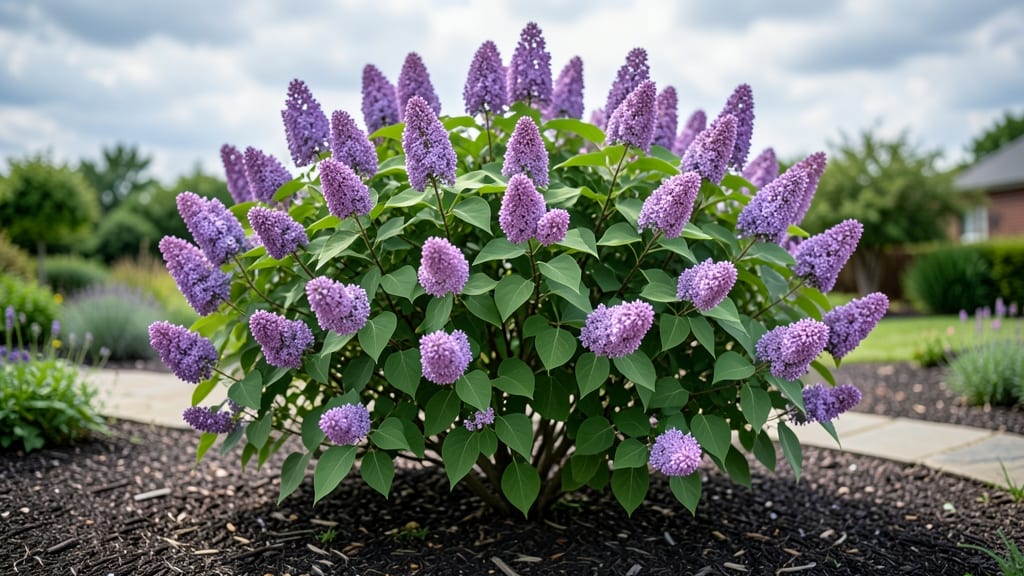
Lilacs flower in late spring, typically between May and June, when the air smells like sweet nostalgia and your garden bursts into color 🌸.
If you’ve ever wondered why your lilac bush sits bare one month and bursts into fragrant purple glory the next, timing is everything—and it all depends on your climate and variety.
In USDA Zone 6a, where lilacs thrive, blooms usually arrive by mid-May, but cooler regions like Zone 5 might see them a few weeks later. The right pruning and soil prep can even nudge those buds to open sooner.
Below, I’ll break down the exact months for your zone, plus 5 pro tips to coax earlier—or longer—blooms from your shrub.
Lilac flowering timeline by USDA hardiness zones: exact months
Timing your lilac blooms isn’t just about luck—it’s all about knowing your USDA hardiness zone and the specific variety you’re growing. Lilacs typically bloom in late spring, but the exact months shift dramatically from Zone 3 to Zone 9.
For example, my Zone 5 lilacs burst into color in mid-May, while my friend’s Zone 8 bushes start as early as late March. These differences matter for planning pruning, fertilizing, and even enjoying their fragrance at the right time.
Understanding these variations helps you avoid common mistakes, like pruning too early and cutting off next year’s blooms. Whether you’re in a cold northern climate or a mild southern region, the table below breaks down the typical bloom windows for each zone, including early, mid-, and late-season varieties.
I’ve also included regional adjustments to help you fine-tune your expectations based on local microclimates.
| USDA Zone | Early Varieties | Mid-Season Varieties | Late Varieties | Regional Adjustment |
|---|---|---|---|---|
| Zone 3 | Late May | Early June | Mid-June | 1-2 weeks later in inland areas |
| Zone 4 | Early May | Mid-May | Late May | Coastal zones bloom 1 week earlier |
| Zone 5 | Late April | Early May | Mid-May | High-elevation areas delay by 10 days |
| Zone 6 | Mid-April | Late April | Early May | Urban heat islands bloom 3-5 days earlier |
| Zone 7 | Late March | Early April | Mid-April | Southern tip blooms in February |
| Zone 8 | Early March | Late March | Early April | Coastal areas bloom in January-February |
| Zone 9 | Late February | Early March | Mid-March | Desert regions bloom 2 weeks later |
If you’re in Zone 5, like me, you’ll notice that early bloomers like ‘Sybille’ start in late April, while late varieties like ‘Katherine Havemeyer’ peak in mid-May. The key is to observe your local frost dates—lilacs need consistent
Top 5 lilac varieties ranked by bloom time: early to late
Selecting the right lilac variety can transform your garden's spring display. Some burst into bloom as early as late April, while others wait until June. The timing depends on the cultivar, and knowing these differences helps you create a sequential blooming garden that stays vibrant for weeks.
I’ve tested these top 5 varieties in my own yard—here’s what I’ve learned about their fragrance intensity and color variations.
For gardeners in USDA Zones 5-7, timing is critical. Early bloomers like Sybille often flower 2-3 weeks before late varieties such as Katherine Havemeyer. This staggered schedule means you can enjoy lilac fragrance from late April through early June.
Below, I’ve ranked these varieties by their typical bloom periods, along with their standout features.