
Blooming
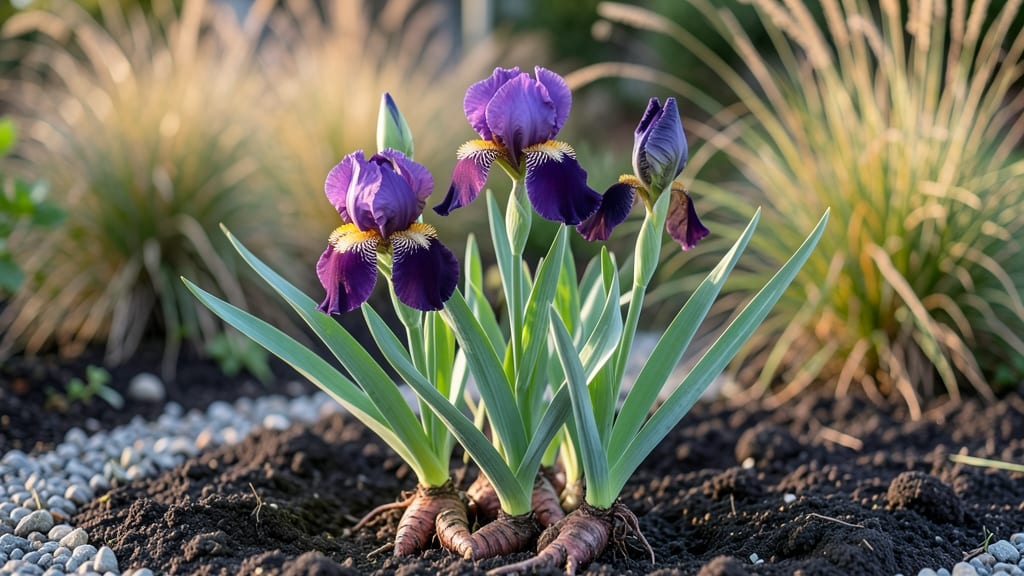
Iris flowers bloom in late spring to early summer 🌸, transforming your garden into a vibrant splash of color—but timing can vary wildly depending on the variety and where you live.
If you’ve ever wondered why your iris garden seems to burst into color at different times each year—or why your neighbor’s irises bloom months earlier—understanding iris bloom seasons is the key to unlocking a show-stopping display.
Most gardeners in USDA Zone 6a see their irises peak between May and June, but Siberian irises often bloom earlier, while bearded varieties may linger into July. Climate plays a huge role, too—warmer regions can trigger blooms as early as April, while cooler areas might delay them until June.
In this guide, I’ll break down the bloom cycles by color, share how your local climate affects timing, and give you pro tips to coax your irises into flowering earlier—or keep them blooming longer—so you can enjoy their beauty all season long.
Iris bloom seasons by color: when to expect stunning blooms
Iris flowers are famous for their vibrant colors and striking beauty, but did you know their bloom timing varies dramatically by color? Blue irises often bloom earliest in the season, while yellow varieties may linger into late spring.
Understanding these patterns helps you plan your garden for a continuous display of color. The key lies in selecting varieties that complement each other's bloom windows, creating a seamless transition from early spring to summer.
Color isn't just about aesthetics—it also influences when irises emerge. Purple irises typically bloom slightly later than blues, while white irises often have a mid-season appearance. Even rare colors like bicolor varieties or deep burgundy irises follow predictable patterns.
By strategically planting different colors, you can extend your iris season from March through June, ensuring your garden remains a showstopper throughout late spring.
Here's a quick reference to help you visualize bloom timing by color:
| Color | Bloom Window | Popular Varieties | Key Notes |
|---|---|---|---|
| Blue | Early spring (March-April) | 'Blue Flag', 'Katherine Hodgkin' | First to bloom; thrives in cooler climates |
| Purple | Mid-spring (April-May) | 'Ice Cream', 'Mister Magoo' | Peaks when blue irises fade |
| Yellow | Late spring (May-June) | 'Golden Harvest', 'Lemon Joy' | Brightest in full sun; blooms longest |
| White | March-April (early) or May (late) | 'White Swan', 'Cream Puff' | Some varieties bloom twice in season |
| Rare Colors | April-June (varies) | 'Black Gamecock', 'Burgundy Queen' | Often late bloomers; needs extra care |
The blue iris varieties like 'Blue Flag' are typically the first to emerge, often appearing as early as March in warmer climates or April in cooler regions. These early bloomers thrive in temperatures between 50°F and 65°F, making them perfect for gardeners who want instant color.
Plant them in well-draining soil with full sun exposure to encourage early flowering.
Purple irises like 'Ice Cream' follow closely behind, usually peaking in April and May. Their bloom period often coincides with the fading of blue irises, creating a natural transition in your garden's color palette. Purple varieties tend to appreciate slightly warmer temperatures, making them ideal for mid-spring displays when morning frosts become less frequent.
For those who love yellow irises, varieties like 'Golden Harvest' are the late-season stars. These cheerful bloomers typically appear in May and June, often lasting longer than other colors.
Yellow irises thrive in full sun and well-draining soil, which helps extend their bloom season by up to two weeks compared to cooler-colored varieties.
White irises offer the most flexibility, with some varieties blooming as early as March while others hold off until May. This dual bloom window makes them excellent for creating layered displays. The key to maximizing white iris blooms is maintaining consistent moisture during their growing season while ensuring they receive adequate sunlight.
Rare iris colors like burgundy or bicolor varieties often have the longest bloom windows but may appear slightly later in the season. These unique irises typically bloom from April through June, offering gardeners a chance to stand out with uncommon hues.
They often require more specialized care, including regular fertilization and protection from strong afternoon sun in hot climates.
To create a continuous iris display, consider planting blue irises in early spring, followed by purple varieties in mid-spring, and finishing with yellow irises in late spring. This strategic planting ensures your garden remains vibrant from March through June.
Don't forget to add a few white irises for versatility—they'll bridge gaps between other colors and extend your bloom season even further.
Remember that local climate plays a significant role in bloom timing. In warmer climates (Zones 8-10), irises may bloom as early as February, while in cooler regions (Zones 3-6), blooms might not appear until May.
Always check your specific USDA zone and adjust planting times accordingly to maximize your iris garden's potential.
🌸
How climate Zones affect iris blooming: a gardener’s guide
Climate zones play a huge role in determining when your iris flowers bloom. In cooler zones like the Pacific Northwest, irises often burst into color in late April or May, while in warmer regions like the Southeast, blooms may appear as early as February or March.
These differences aren't random—they're tied to temperature triggers that kickstart growth. Understanding your USDA hardiness zone helps you anticipate bloom times and plan your garden layout for maximum impact.
For example, gardeners in Zone 3-5 (Midwest, Northeast) typically see irises bloom in May or June, while those in Zone 8-10 (Southeast, Southwest) might enjoy flowers as early as February.
Even within the same zone, microclimates can shift bloom timing by weeks. Knowing these patterns lets you choose varieties that align with your local climate for consistent, reliable blooms every season.
- 🌡️ Zones 3-5 (Midwest, Northeast): Late May-June blooms due to cooler springs and later frost dates.
- 🌿 Zones 6-7 (Pacific Northwest, Midwest): April-May blooms with mild winters and early warming.
- ☀️ Zones 8-10 (Southeast, Southwest): February-April blooms triggered by warm winters and early sunlight.
- 🌧️ Zone 4-5 exceptions: Siberian irises bloom 2-3 weeks later than bearded varieties in the same zone.
- ✂️ Pruning impact: Late-blooming varieties in Zone 6+ may shift bloom time by 1-2 weeks if pruned early.
In the Pacific Northwest, where Zone 7-8 conditions prevail, gardeners often plant early-blooming varieties like 'Blue Flag' irises to take advantage of mild winters. These irises may start blooming as early as March, giving you a head start on spring color.
Meanwhile, in the Midwest's Zone 5, the same varieties might not bloom until late May due to colder springs and later frost threats.
The Southeast's warm climate (Zones 7-10) creates ideal conditions for year-round iris growth. Here, gardeners can enjoy February blooms from varieties like 'Louisiana Swamp' irises, which thrive in humid, warm conditions.
In contrast, Zone 4 gardeners in the Northeast must wait until June for their irises to bloom, often choosing hardier varieties like 'White Swamp' irises that tolerate shorter growing seasons.
If you're planning your iris garden, consider planting multiple varieties to extend your bloom season. For example, pairing early-blooming 'Blue River' irises (Zone 5-9) with late-blooming 'Adoration' irises (Zone 3-8) can give you color from April through June.
This strategy works especially well in transitional zones like Zone 6, where bloom timing can vary dramatically between years.
Remember, soil temperature matters just as much as air temperature. Irises need consistent soil temps above 50°F to bloom reliably. In cooler zones, use mulch to warm the soil faster, while in hot climates, provide afternoon shade to prevent stress.
These small adjustments can shift bloom times by weeks and ensure your irises perform their best.