
Blooming
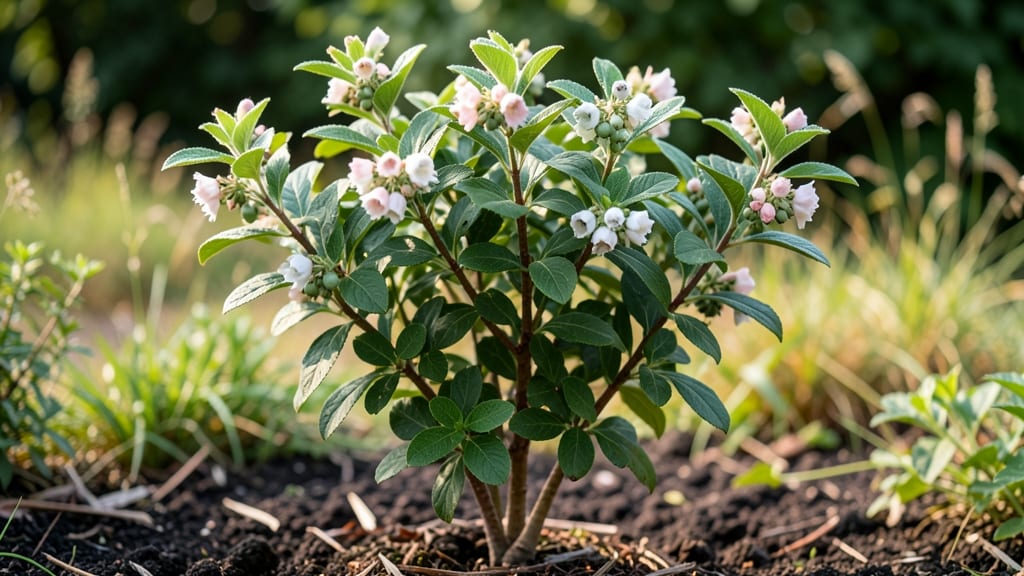
Blueberries flower in late winter to early spring 🫐, a delicate window where timing determines whether your bushes bear fruit—or just leaves.
Picture this: You’ve spent months tending to your blueberry bushes, and now you’re waiting for those telltale white or pink blossoms to appear. But here’s the catch—miss the chill hour requirements, and your plants might skip flowering altogether.
Or worse, a late frost could wipe out your blooms before pollinators even arrive.
Understanding when blueberries flower isn’t just about patience—it’s about strategy. The right variety, climate zone, and a few simple prep steps (like pruning dead wood) can mean the difference between a sparse harvest and a bucketful of ripe berries by summer.
Below, I’ll break down the exact flowering timeline by variety, how your local climate plays a role, and the 5 key signs your bushes are ready to bloom—so you can set yourself up for success from the first bud swell.
Blueberry flowering timeline by variety: early, mid, and late bloomers
Knowing when blueberries flower helps you plan for pollination, frost protection, and even pruning. Different varieties bloom at distinct times—some as early as late February, others as late as May.
This timing affects your harvest window and how you care for your bushes. For example, early bloomers like 'Duke' need frost watch, while late bloomers like 'Jersey' often escape spring frosts entirely.
Blueberry flowers emerge from buds that swell in late winter, typically appearing as pink or white clusters before leaves unfold. Understanding your variety’s flowering window lets you time pruning, attract pollinators, and protect blossoms from late frosts.
Below, I’ve broken down popular varieties into early, mid-season, and late bloomers with their exact flowering periods and visual cues.
| Variety | Flowering Window | Bud Swell Cues | Harvest Window |
|---|---|---|---|
| Early Bloomers | Late February–March | Bud swell by January; pink buds visible | July–early August |
| 'Duke' | Late February–early March | Swollen buds by January 15 | Late July |
| 'Bluecrop' | March–early April | Bud swell by February 1 | Mid-August |
| Mid-Season Bloomers | April–May | Bud swell by March 1; white/pink flowers | Late August–September |
| 'Jersey' | April–early May | Bud swell by March 15 | Early September |
| 'Patriot' | Late April–May | Bud swell by March 20 | Mid-September |
| Late Bloomers | May–June | Bud swell by April 1; flowers appear after leaves | September–October |
| 'Rabbiteye' (e.g., 'Climax') | May–June | Bud swell by April 10 | Late September |
| 'Premier' | Late May–June | Bud swell by April 15 | October |
Early bloomers like 'Duke' and 'Bluecrop' are perfect for northern climates where frost is a risk. Their late February–March flowering means you’ll need to monitor frost forecasts and cover blossoms if temperatures drop below 28°F. These varieties reward patience with large, sweet berries harvested in July–August.
Mid-season bloomers like 'Jersey' and 'Patriot' strike a balance, flowering in April–May when frosts are less likely. They’re ideal for USDA Z
How climate Zones affect blueberry flowering: chill hours and heat requirements
Blueberry flowering isn’t just about the calendar—it’s a delicate dance between chill hours and spring warmth. Northern growers in USDA Zones 3-5 often see blooms as early as late April, while southern gardeners in Zones 7-9 may wait until mid-March or later.
This shift happens because blueberries need a specific number of chill hours (temperatures between 32°F and 45°F) to trigger flowering.
For example, northern varieties like Bluecrop thrive with 800–1,000 chill hours, while southern types such as Climax only need 300–500 hours. Without enough chill, buds may fail to open, leaving you with no flowers—and no berries.
Even in mild winters, supplemental chilling (like a cold frame) can help southern bushes sync with their natural cycle.
Spring temperatures also play a critical role. Once buds swell, consistent warmth above 50°F signals the plant to bloom. But if a late frost hits after buds appear, delicate flowers can be killed, slashing your harvest.
This is why zone-specific adjustments are key—northern growers should monitor frost forecasts closely, while southern gardeners may need to protect blossoms with row covers or frost cloth.
Late Frost Risk Alert!
Blueberry flowers bloom before leaves emerge, making them vulnerable to late frosts (28°F or below). In Zones 4-6, monitor forecasts and have frost protection (like row covers) ready. Southern growers in Zones 7-9 should still watch for unseasonable cold snaps in early spring.
To fine-tune flowering in your zone, start by selecting varieties matched to your chill hours. For instance, Duke (600–800 hours) works well in Zones 5–8, while Jersey (500–700 hours) suits Zones 4–7.
If you’re in a warmer microclimate (like a sheltered valley), opt for low-chill varieties to avoid bud failure. Conversely, northern gardeners can push the envelope with higher-chill types like Patriot (900+ hours).
Once buds form, prune dead wood in late winter to improve airflow and reduce frost pockets. Avoid heavy pruning after flowering, as new growth won’t harden off in time for winter.
In Zone 6 and below, consider planting near a south-facing wall to absorb and radiate heat, delaying frost risks. Southern growers should also mulch heavily in winter to maintain soil chill without freezing roots.
Timing isn’t just about survival—it’s about optimizing your harvest. By aligning your blueberry varieties with your chill hours and spring temperature trends, you’ll ensure flowers bloom at the right moment, pollinators arrive on schedule, and your bushes produce abundant, flavorful berries all season.
Keep an eye on local weather patterns, and don’t hesitate to adjust your garden plan if your zone’s climate shifts.