
Planting
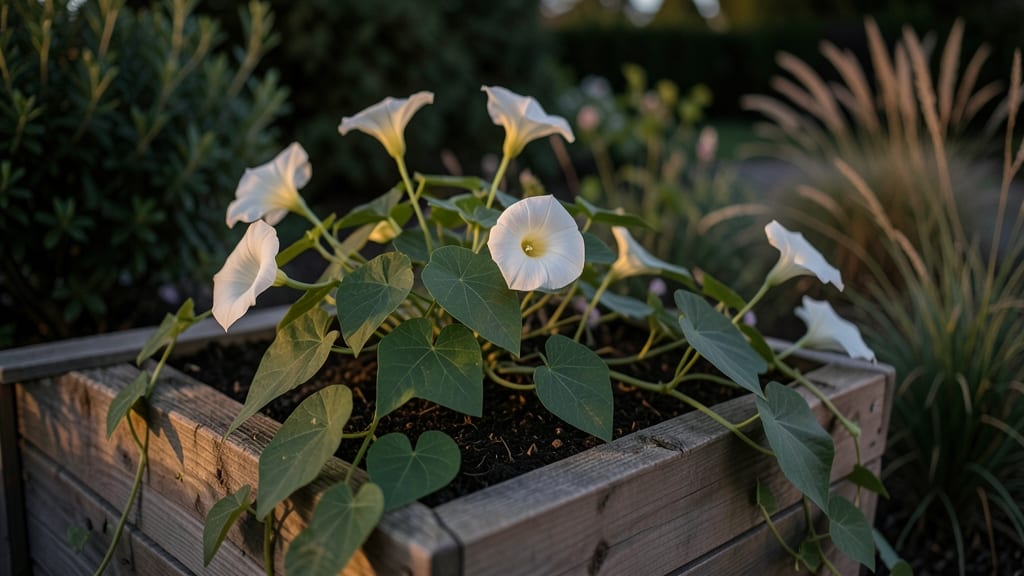
A moonflower plant looks like a tropical dream come true, with its giant, velvety white blooms that resemble dinner plates and close by dawn.
Imagine a plant that unfurls its massive, luminous white blooms only under the cover of darkness—this is the moonflower (Ipomoea alba), a mesmerizing night-blooming vine with flowers the size of dinner plates that close by dawn.
But what does this tropical beauty actually look like during the day, and how can you identify it in your garden?
By day, the moonflower reveals its heart-shaped leaves and twining vines, which can climb up to 10 feet tall. The leaves are smooth, dark green, and slightly glossy, while the stems are slender and hairy.
The real show, however, happens at night when the fragrant, trumpet-shaped flowers open, releasing a sweet, intoxicating scent that attracts moths and other nocturnal pollinators.
If you're wondering how to spot one in your garden, look for these key features: large, pale yellow or white flowers that bloom at night, a vine with tendrils for climbing, and leaves that are dark green and healthy.
With these clues, you’ll be able to identify this stunning plant and enjoy its magical nighttime display.
Moonflower plant identification: leaves, vines, and unique flower structure
The moonflower (Ipomoea alba) is one of nature's most dramatic night-bloomers, but its daytime appearance is equally distinctive. During the day, you'll notice its heart-shaped leaves with smooth edges, growing in a spiral pattern along the vine.
These leaves are typically deep green and can reach 3-5 inches in length, providing a lush backdrop for the plant's star feature: its flowers.
One of the first things that sets moonflowers apart is their twining vine structure. Unlike some vines that cling with tendrils, moonflowers use a counterclockwise twining motion to climb trellises, fences, or other supports.
This growth habit can reach 10-15 feet in a single season, making it a fast-growing favorite for vertical gardening spaces.
| Characteristic | Description | Daytime Appearance |
|---|---|---|
| Leaves | Heart-shaped, 3-5 inches, smooth edges | Deep green, healthy, spiraling pattern |
| Vines | Twining, fast-growing, 10-15 ft | Slender, green, counterclockwise twining |
| Flowers (Day) | 5-8 inches, trumpet-shaped, white | Bud-like, closed, pale green tips |
| Flowers (Night) | 5-8 inches, trumpet-shaped, white | Fully open, luminous white, fragrant |
| Stamens | Central, yellow, prominent | Visible in buds, bright yellow |
The moonflower's iconic trumpet-shaped blooms are its most striking feature, but their appearance changes dramatically between day and night. During the day, you'll find closed buds with pale green tips, often measuring 5-8 inches in length. These buds are tightly coiled, resembling a giant white cigar before they unfurl.
When night falls, the transformation is magical. The buds burst open to reveal luminous white flowers with smooth, waxy petals that can reach 8 inches in diameter. The center of each bloom features prominent yellow stamens, creating a striking contrast against the white petals.
This nocturnal display is accompanied by a sweet, intoxicating fragrance that attracts moths and other night pollinators.
One of the most fascinating aspects of moonflower identification is the texture of the leaves. Unlike many vines, moonflower leaves have a smooth, slightly leathery surface that feels almost waxy to the touch. This texture helps the plant conserve moisture, which is especially useful in its native tropical habitats.
The leaves also grow in a spiral arrangement along the vine, creating a visually appealing pattern that gardeners love.
The vine structure of the moonflower is another key identification feature. Unlike morning glories, which often have a more bushy or sprawling growth habit, moonflowers produce long, slender vines that twist and turn in a counterclockwise direction as they climb.
This twining motion is a defining characteristic and helps distinguish moonflowers from similar night-blooming plants.
If you're trying to identify a moonflower in your garden, pay close attention to the flower buds during the day. Unlike fully bloomed flowers, these buds are tightly coiled and often have a slightly pointed tip.
They may also appear pale green at the edges, which is a good indicator that they're about to unfurl in the evening. This daytime appearance is crucial for spotting moonflowers before they bloom.
Another unique feature of moonflowers is their rapid growth rate. Once established, these vines can grow 6-12 inches per day under ideal conditions. This fast growth means you'll see new leaves and buds appearing almost daily during the growing season.
Keep an eye out for new shoots emerging from the base of the plant, as these indicate healthy, vigorous growth.
To summarize, the moonflower's heart-shaped leaves, twining vines, and trumpet-shaped buds are the key visual clues you need to identify this stunning plant. Whether you're admiring its daytime appearance or waiting for its nighttime spectacle, the moonflower's unique characteristics make it a standout feature in any garden.
How to spot a moonflower in your garden: key visual clues and growth habits
Moonflowers (Ipomoea alba) are often mistaken for morning glories, but their distinctive growth habits and leaf structure set them apart. Unlike morning glories, moonflowers grow much faster—shooting up 6-10 feet in a single season—and their vines are thicker and more robust.
The key is paying attention to these visual differences before the flowers even bloom.
One of the first things you’ll notice is the heart-shaped leaves with a slightly waxy texture. Moonflower leaves are larger than morning glory leaves, often measuring 3-5 inches long, and they grow in a spiral pattern along the vine.
Morning glories, by contrast, have smaller, more delicate leaves arranged in a more uniform pattern.
🌱 Moonflower vs. Morning Glory: Quick Comparison
| Feature | Moonflower | Morning Glory |
|---|---|---|
| Leaf Size | 3-5 inches | 1-3 inches |
| Leaf Texture | Waxy, slightly thick | Thin, papery |
| Vine Growth | Fast, 6-10 ft/season | Moderate, 5-8 ft/season |
| Flower Size | 8-12 inches wide | 3-5 inches wide |
| Bloom Time | Night (opens at dusk) | Morning (opens at dawn) |
Another tell-tale sign is the way moonflowers climb and twine. They use tendrils at the leaf nodes to wrap around supports, but their vines are thicker and more muscular than morning glories.
If you see a vine spiraling tightly around a trellis or fence, it’s likely a moonflower. Morning glories, while also twining, tend to climb more loosely and may flop over if unsupported.
When it comes to flower buds, moonflowers give away their identity early. Their buds are larger—often 2-3 inches in diameter—and they appear earlier in the season than morning glory buds.
If you spot a thick, fuzzy bud on a fast-growing vine, it’s a strong clue you’re dealing with a moonflower. Don’t overlook the stems either; moonflower stems are hairier and more woody as they mature.
Gardeners often make the mistake of ignoring the vine’s growth rate when identifying moonflowers. These vines can grow up to 12 inches in a single night under ideal conditions.
If you notice a vine shooting upward rapidly and already reaching 3-4 feet tall by early summer, it’s almost certainly a moonflower. Morning glories, while fast-growing, rarely match this speed.
Finally, keep an eye out for flower scent. Moonflowers release a sweet, intoxicating fragrance at night that’s noticeably stronger than morning glories. If you’re in your garden at dusk and smell a heavy, tropical perfume, you’ve likely found your moonflower.
This scent is a nighttime signature and one of the easiest ways to confirm your plant’s identity after dark.
Pro tip: If you’re still unsure, wait until evening and observe the flowers. Moonflowers open fully by dusk, while morning glories close by midday.
This nocturnal blooming habit is the ultimate giveaway—just don’t blame me if you end up staring at a giant white flower in your backyard at midnight! 🌙