
Flowers
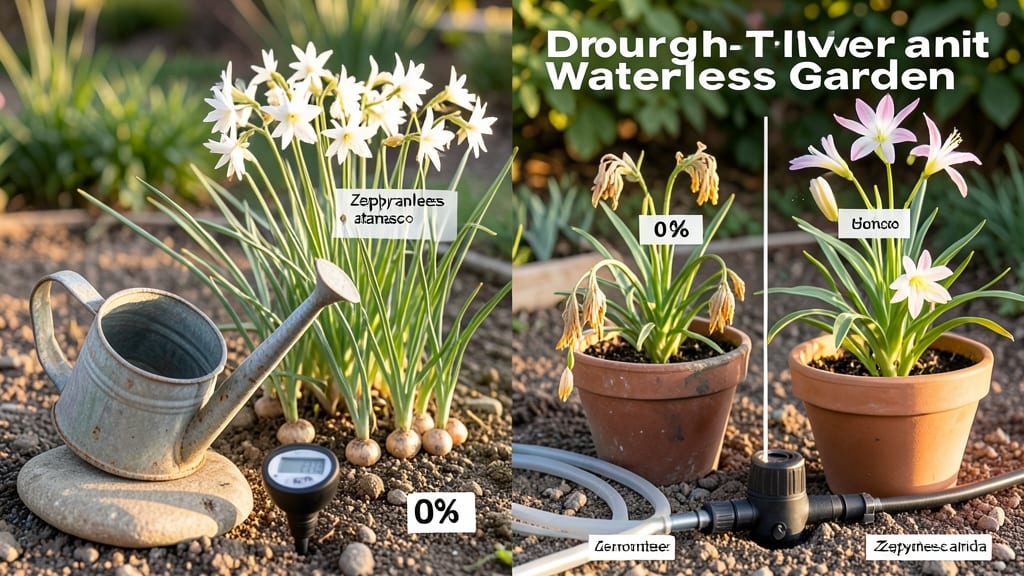
Growing stunning blooms from a waterless flower bulb 🌸 is easier than you think—no soil, no watering, just pure, effortless beauty for months.
Picture this: a vase of vibrant flowers that stay fresh without a single drop of water. That’s the magic of these innovative bulbs, designed to thrive on their own with minimal care. No more wilting stems or forgotten watering schedules—just place them and watch them bloom.
Whether you’re a busy professional, a beginner gardener, or someone who loves low-maintenance plants, these bulbs are a game-changer. They work indoors or out, in pots or garden beds, and even in zones like 6a where traditional flowers might struggle.
In this guide, I’ll walk you through everything—from planting and placement to extending their life and troubleshooting common issues. Ready to grow flowers that practically take care of themselves?
How waterless flower bulbs work: science behind the magic
Waterless flower bulbs are a game-changer for busy gardeners and urban dwellers who crave beauty without the upkeep. Unlike traditional bulbs that need soil and regular watering, these innovative blooms use hydroponic technology and gel-based nutrient systems to thrive without moisture.
The secret lies in their ability to absorb and retain water internally, mimicking nature's design for drought-resistant plants.
At the heart of these bulbs is a specialized gel matrix that stores water and nutrients. When you place the bulb in its container, the gel slowly releases moisture directly to the roots, eliminating the need for manual watering.
This system mimics how succulents and desert plants survive in arid conditions—by storing water in their tissues.
The gel-based technology also includes essential nutrients like nitrogen, phosphorus, and potassium, which are gradually absorbed by the bulb over time. This ensures your flowers receive a steady diet without the risk of overwatering or nutrient burnout that can plague traditional gardening methods.
One of the most impressive aspects is how these bulbs stay fresh longer than cut flowers or soil-grown plants. While fresh-cut flowers typically last 7-10 days in a vase, waterless bulbs can bloom for 4-8 weeks or even longer with proper care.
This extended lifespan makes them perfect for offices, gift-giving, or adding instant color to any space.
Here’s how the moisture retention system works in detail:
Unlike traditional flowers that wilt quickly after cutting, waterless bulbs continue to bloom because their roots remain hydrated and nourished. This self-sustaining system is inspired by plants like orchids and succulents, which store water in their bulbs or leaves.
The difference? Waterless bulbs are pre-engineered to thrive without any human intervention.
Another advantage is their versatility in placement. Since they don’t require soil, you can place them in offices, bathrooms, or even kitchens (as long as they’re away from direct heat sources). They’re also ideal for travelers or anyone who wants instant beauty without the commitment of traditional gardening.
The science behind these bulbs also explains why they outlast traditional flowers. Cut flowers are essentially dead upon harvesting, while waterless bulbs are still alive and actively growing.
Their roots continue to absorb nutrients from the gel, ensuring vibrant blooms for weeks. This makes them a sustainable and eco-friendly alternative to disposable bouquets.
For gardeners who love experimentation, waterless bulbs offer a fascinating glimpse into hydroponic gardening. While hydroponics typically requires pumps and reservoirs, these bulbs simplify the process by encapsulating everything you need in one compact, low-maintenance package. It’s like having a miniature hydroponic system without the complexity!
If you’ve ever struggled with keeping cut flowers fresh or maintaining a traditional garden, waterless bulbs might just be the solution you’ve been waiting for. Their ability to bloom without water or soil is nothing short of magical—and the best part?
You don’t need a green thumb to enjoy their beauty.
Best waterless flower bulbs for every space: indoor vs outdoor options
Waterless flower bulbs are perfect for busy gardeners or anyone craving effortless beauty. These self-sustaining bulbs thrive without traditional watering, making them ideal for indoor decor or outdoor landscaping.
Whether you need long-lasting blooms for a centerpiece or drought-resistant plants for your patio, there's a waterless bulb for every setting.
Unlike traditional bulbs, waterless varieties use gel-based nutrient systems or hydroponic technology to retain moisture. This means they stay fresh for weeks without soil or frequent watering. Let’s explore the top options for your space—whether it’s a sunny windowsill or a shady corner of your garden.
For indoor spaces, opt for anemones or orchids—they thrive in low-light conditions and add a pop of color to any room. Place them near a south-facing window for optimal growth, but avoid direct sunlight, which can scorch delicate petals.
These bulbs are perfect for offices, bedrooms, or even bathrooms where humidity levels are naturally higher.
If you're decorating outdoor areas, consider tulips or Gethyllis. Tulips bring vibrant hues to garden beds, while Gethyllis is drought-resistant and ideal for xeric landscapes.
Plant them in well-draining soil and ensure they receive at least 4-6 hours of sunlight daily. Their hardy nature makes them low-maintenance stars for patios and pathways.
Seasonal availability is key when selecting waterless bulbs. Spring-blooming varieties like tulips and anemones are best planted in fall (September-October), while winter bloomers such as Veltheimia should be planted in late summer (August).
Always check the USDA zone compatibility (most waterless bulbs thrive in zones 6a-10) to ensure success.
To maximize their lifespan, avoid overcrowding and keep them in cool temperatures (between 60-75°F). A little occasional misting can help, but these bulbs are designed to thrive without it. With the right placement and care, your waterless bulbs will bloom beautifully for months without soil or watering.