
Blooming
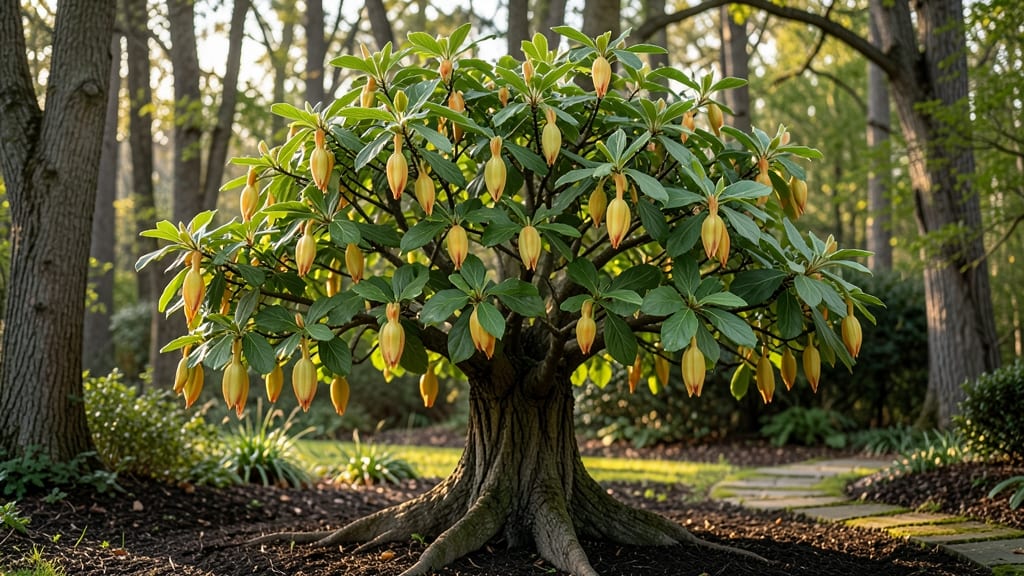
The tulip tree flowering time varies by region, but most trees bloom in late spring to early summer with their iconic tulip-shaped flowers 🌳.
If you’ve ever waited eagerly for those bright yellow-green blooms to appear, you know timing is everything. The exact window depends on your climate zone, with northern gardens seeing flowers a few weeks later than southern ones.
These stunning blooms—often fragrant and honey-scented—can last 2-3 weeks per tree, making them a showstopper in any landscape. Understanding your local bloom schedule helps you plan garden pairings or even encourage earlier flowers.
Below, I’ll break down the typical flowering periods by zone, how to spot the first buds, and simple tips to extend their display. Ready to time your garden’s grand entrance?
Tulip tree flowering time by US climate zones: exact months to watch
The tulip tree (Liriodendron tulipifera) is one of spring's most spectacular trees, with its striking tulip-shaped yellow-green flowers that appear like clockwork each year. But the exact timing of these fragrant blooms varies dramatically depending on your USDA hardiness zone and local climate.
Understanding these patterns helps you plan garden visits, photography shoots, or even landscape designs around their peak beauty.
Tulip trees are daylength-sensitive, meaning their blooms trigger in response to increasing daylight hours after winter dormancy. Warmer zones see earlier blooms, while colder regions may delay flowering until late spring.
Even within a single zone, microclimates—like urban heat islands or sheltered valleys—can shift bloom times by 1-2 weeks. Let's explore the precise windows by region.
Visual Key: Early = 10% of blooms open, Peak = 80% open, Late = final 10%.
In Zone 4, tulip trees often wait until early June for peak blooms, while Zone 9 gardeners may see their trees flowering as early as late March. This 6-week difference across the U.S. highlights how temperature accumulation (not just calendar dates) triggers blooms.
Trees need to accumulate roughly 1,000-1,500 chilling hours below 45°F (7°C) to break dormancy, which explains why southern trees bloom earlier despite milder winters.
Notice how Zone 6 (DC area) and Zone 7 (Atlanta) overlap in timing? This creates stunning sequential blooms if you live near the border.
For example, a tulip tree in Washington, D.C. (Zone 6) might peak in mid-May, while one in Chattanooga, TN (Zone 7) could start blooming just 2 weeks earlier. Planting both creates a 3-week flowering display—a pro tip for extending your garden's spring color palette.
If you're in Zone 8 or 9, you might spot early bloomers in March, especially in microclimates like southern-facing slopes or urban heat zones. These trees often produce fewer but larger flowers when they bloom early, as the plant diverts energy to leaf-out instead of flower production
How to predict and extend tulip tree flowering season in your garden
If your tulip tree (Liriodendron tulipifera) seems slow to bloom or flowers fade too quickly, you're not alone. Many gardeners struggle with inconsistent flowering—especially in cooler climates or after stressful growing seasons.
The good news? With the right adjustments, you can encourage earlier blooms and prolong the show. Start by understanding your tree's natural cues and how to create ideal conditions.
Tulip trees typically bloom in late spring (April-May in most regions), but timing varies by USDA zone and local microclimates. For example, trees in Zone 7 may flower as early as March, while those in Zone 5 might wait until May.
The key to extending blooms lies in pruning strategies, soil health, and watering consistency—all of which I’ll cover in detail below.
💡 Pro Tip for Faster Blooms
To trigger earlier flowering, prune your tulip tree in late winter (just before buds swell). Remove dead or crossing branches first—this reduces stress and redirects energy to flower production. Avoid heavy pruning in fall, as this can delay next year’s blooms.
For longer-lasting blooms, mulch the base with 3-4 inches of organic mulch (like wood chips) in early spring. This keeps roots cool and retains moisture, which helps flowers stay vibrant for 2-3 weeks longer.
One of the biggest mistakes gardeners make is over-fertilizing with nitrogen. While nitrogen promotes leafy growth, it can delay flowering by prioritizing foliage over blooms. Instead, use a balanced fertilizer (10-10-10) in early spring and avoid heavy applications after June 1st.
This shift in timing ensures your tree focuses on flower buds rather than late-season foliage.
Microclimates play a huge role in tulip tree performance. If your tree is in a shady spot or near a reflective surface (like a white fence), it may struggle to bloom. Try moving it to a sunnier location with at least 6 hours of direct sunlight.
Even a 10-foot shift toward the south can make a difference in bloom timing and intensity.
Watering is another critical factor. Tulip trees need deep, infrequent watering—especially during bud formation (March-April). Water at the base of the tree in the morning to prevent fungal issues.
If your area experiences drought stress, a deep soak every 7-10 days will keep roots healthy and encourage robust flowering.
Finally, avoid pruning after mid-summer, as this can stimulate new growth that won’t harden off before winter. Late-season pruning often results in fewer flowers the following year. Instead, focus on light pruning in early spring to shape the tree and remove any weak or damaged branches.