
Flowers
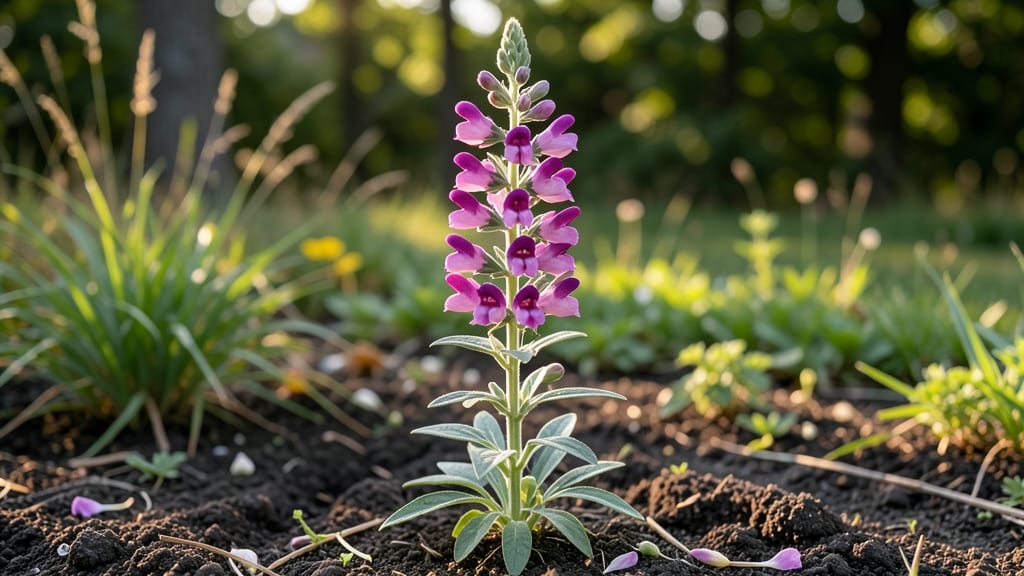
Snapdragon flower heights range from just 8 inches to over 4 feet, making them one of the most versatile flowers for any garden design.
If you’re dreaming of vibrant vertical gardens or colorful cottage-style borders, snapdragons are a must—but knowing their exact height can make or break your planting plan.
From dwarf varieties perfect for containers to towering giants reaching over 5 feet, each snapdragon type grows differently, and choosing the wrong height could mean wasted space or overcrowded blooms.
Understanding these variations helps you plan spacing, support needs, and even companion plants. A 12-inch dwarf thrives in window boxes, while a 3-foot standard adds drama to borders. The key is matching the variety to your space and goals—whether you want a low hedge or a tall backdrop.
Below, I’ll break down the height ranges by variety, spacing tips to avoid overcrowding, and how to control growth for the perfect snapdragon display—no matter your garden’s size.

Snapdragon flower height by variety: dwarf to giant types explained
Snapdragons (Antirrhinum spp.) offer an incredible range of heights, from tiny 6-inch dwarfs to 5-foot towering giants. This diversity lets you create stunning vertical gardens, fill narrow borders, or add drama as focal points.
But choosing the right height for your space—and understanding how it impacts growth—is key to avoiding overcrowding or wasted garden real estate.
The height of your snapdragons directly affects planting spacing, sunlight exposure, and even watering needs. Dwarf varieties thrive in containers or tight spaces, while tall types need staking and room to breathe.
Let’s break down the most popular height categories, including spacing guidelines and design tips for each.
🌱
| Variety Type | Height Range | Spacing Needs | Best For | Popular Cultivars |
|---|---|---|---|---|
| Dwarf | 6–12 inches | 6–12 inches apart | Containers, rock gardens, window boxes | 'Lilliput', 'Tom Thumb', 'Baby' series |
| Semi-Dwarf | 12–18 inches | 12–18 inches apart | Borders, hanging baskets, small beds | 'Rocket Mix', 'Pocket Rocket' |
| Standard | 24–36 inches | 18–24 inches apart | Mixed borders, cottage gardens | 'Butterfly Mix', 'Monarch' |
| Tall | 36–48 inches | 24–30 inches apart | Back of borders, cut flower gardens | 'Tall Tut', 'Black Prince' |
| Giant | 48–60 inches | 30–36 inches apart | Focal points, tall hedges, cut arrangements | 'Giant Imperial', 'Majestic Giant' |
Dwarf snapdragons like 'Lilliput' (6–12 inches) are perfect for containers or window boxes, while semi-dwarf varieties such as 'Rocket Mix' (12–18 inches) thrive in hanging baskets or small borders.
These compact types need minimal spacing—just 6–12 inches between plants—to prevent overcrowding and ensure airflow, reducing the risk of fungal diseases like powdery mildew.
Standard-height snapdragons (24–36 inches) are the workhorses of cottage gardens, filling mid-border spaces beautifully. Varieties like 'Butterfly Mix' create a lush, layered look when planted 18–24 inches apart. Their height also makes them ideal for cut flower arrangements, as they hold up well in bouquets.
For dramatic impact, tall snapdragons (36–48 inches) like 'Tall Tut' are unbeatable. These varieties need staking or cages to support their top-heavy blooms and should be spaced 24–30 inches apart to avoid shading smaller plants. Place them at the back of borders or in clusters to create vertical interest.
Giant snapdragons (48–60 inches) are the showstoppers of the group. Cultivars like 'Majestic Giant' reach 5 feet and require 30–36 inches of spacing to prevent competition. Use them as focal points in perennial beds or along fences and trellises for a grand, old-fashioned look.
When planning your snapdragon garden, consider height progression. Place tallest varieties at the back and dwarfs in front to create depth. For containers, mix heights—place a tall snapdragon in the center with dwarf types around the edges for a balanced, cascading effect.
🌿
Pro tip: If you’re
How snapdragon height affects your garden layout and care
When planning your snapdragon garden, height isn't just about aesthetics—it directly impacts spacing, sunlight access, and even watering needs. Taller varieties like 'Tall Tut' can reach 5 feet, while dwarf types like 'Lilliput' stay under 12 inches.
This height variation means your garden layout must account for both vertical space and airflow to prevent disease.
Taller snapdragons need sturdier support like tomato cages or bamboo stakes, while shorter varieties thrive in containers or borders. Even companion planting changes—tall snapdragons cast shade, so pair them with low-growing plants like thyme or alyssum. Meanwhile, dwarf types can share space with bulbs or ground covers without competition.
🌱 Key Height Considerations for Snapdragon Care
- 1. Spacing: Tall varieties (3-5 ft) need 18-24 inches apart; dwarfs (6-12 in) thrive 6-12 inches apart.
- 2. Sunlight: Taller plants may block light for shorter neighbors—place them north or west of sun-loving companions.
- 3. Watering: Tall snapdragons dry out faster at their tops; water at base + overhead to reach all blooms.
- 4. Pruning: Pinch back tall stems to encourage bushiness; avoid heavy pruning on dwarf types.
- 5. Disease Risk: Crowded tall varieties are prone to powdery mildew—space for air circulation.
For garden design, use height to create layers. Place tall snapdragons at the back of borders or against fences, with medium-height varieties in the middle, and dwarf types in front.
This creates a natural staircase effect that draws the eye upward. In containers, mix heights—tall types in the center with trailing plants like petunias spilling over edges.
Height also affects pruning techniques. Tall snapdragons benefit from deadheading spent blooms to redirect energy to lower stems, while dwarf varieties may flop without support.
Use soft ties for tall stems and pebble-filled cages for shorter types to prevent breakage. Regular pruning keeps taller varieties from becoming top-heavy in wind or rain.
Seasonal care varies by height too. In summer heat, tall snapdragons need more frequent watering (every 2-3 days) to prevent wilting, while dwarfs may only need watering every 4-5 days.
Mulch around taller stems to retain moisture and reduce soil-borne diseases like fusarium wilt, which affects leggy plants more severely.
Don’t overlook companion benefits. Tall snapdragons paired with basil or marigolds deter pests, while dwarf types near lavender improve pollinator activity. Just avoid planting them next to potatoes or tomatoes, which can stunt snapdragon growth due to competitive root systems.
With the right height strategy, your snapdragons will thrive—and your garden will look intentionally layered.