
Blooming
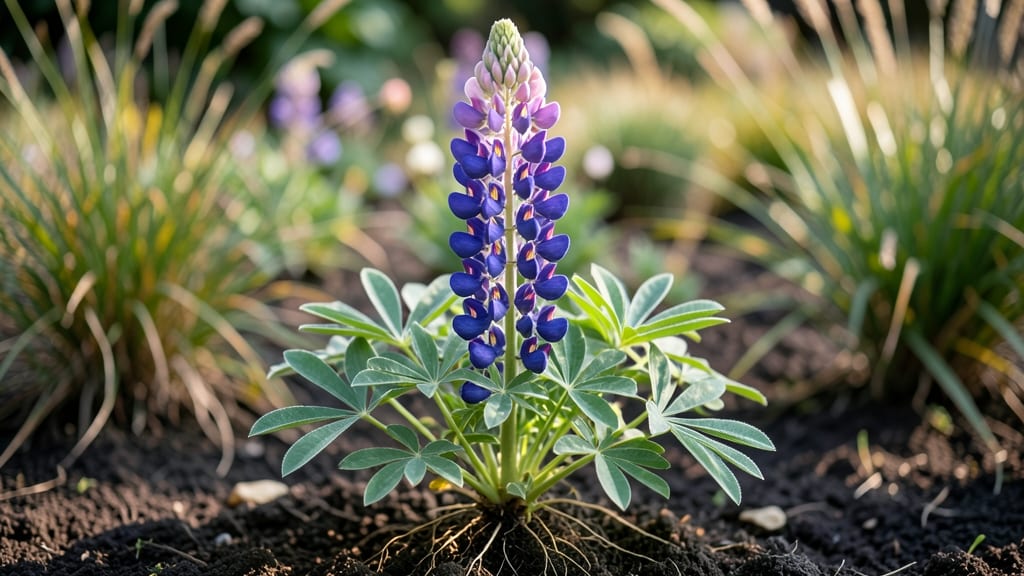
The lupine flowering season turns gardens into vibrant canvases of blue, purple, and pink 🌸—but catching it requires knowing the right timing and conditions.
If you’ve ever planted lupines only to miss their showy spikes, you’re not alone. These striking perennials (and annuals) bloom for just a few weeks, and their timing shifts dramatically depending on your climate zone.
From the cool, wet springs of the Pacific Northwest to the mild winters of the South, lupines thrive in USDA zones 3–10, but their peak bloom windows vary by hundreds of days.
Whether you’re in zone 6a or further south, understanding these patterns is the key to planning a garden that stays in bloom from early spring through summer.
Here’s how to pinpoint the best time for your lupines to flower, extend their display with smart planting tricks, and pair them with companions that keep your garden buzzing all season long.
Lupine flowering seasons by USDA climate Zones: exact timing guide
Timing your garden for lupine blooms means capturing their stunning spikes of color—whether you're growing perennial varieties like Russell Hybrid or annuals such as Sweet Pea Lupine. Their flowering windows vary dramatically by USDA zone, with early bloomers in Zone 3 and late-season displays in Zone 10.
Understanding these patterns helps you plan for succession planting or extend your garden's seasonal interest.
Lupines thrive in cool to moderate climates, but their bloom periods shift based on first frost dates and soil temperature triggers. In northern zones (3-5), expect shorter bloom windows tied to spring ephemerals, while southern zones (8-10) often see fall reblooming or extended summer displays.
Regional microclimates—like Pacific Northwest coastal fog or Southern heat islands—can also delay or advance blooms by 2-4 weeks.
| USDA Zone | Bloom Period | Variety Notes | Regional Adjustments |
|---|---|---|---|
| 3-4 | Late May - Early July | Perennial (e.g., 'Russell Hybrid') | 2-3 weeks earlier in Zone 4 with early spring warmth |
| 5-6 | Mid-April - June | Annual (e.g., 'Sweet Pea') or Perennial | Pacific Northwest: 1 week later due to cooler soils |
| 7-8 | February - April (early) / August - October (late) | Perennial rebloomers (e.g., 'Chief Joseph') | Southern Florida: fall blooms extend to December |
| 9-10 | December - March (winter) / June - August (summer) | Tropical annuals (e.g., 'Texas Bluebonnet') | California: summer drought shortens blooms by 30% |
In USDA Zones 3-4, lupines like Russell Lupine bloom in late May to early July, aligning with spring ephemerals like trilliums.
These hardy perennials rely on cool soil temperatures to trigger buds, so planting in well-draining, slightly acidic soil (pH 6.0-7.0) ensures timely blooms. Zone 4 gardeners may see blooms 2-3 weeks earlier if spring arrives early, but late frosts can delay them until June.
Gardeners in Zones 5-6 enjoy a longer bloom window from mid-April to June, perfect for spring garden highlights. Annual varieties like 'Sweet Pea Lupine' thrive here, while perennials return yearly.
The Pacific Northwest experiences cooler soils that delay blooms by 1 week, while Midwest heatwaves can cause early bud drop if soil dries out.
Southern Zones 7-8 offer two bloom periods: early February-April and late August-October reblooms. Chief Joseph Lupine, a perennial favorite, excels here with prolonged displays.
In Zone 8, fall blooms extend into November, while Zone 7 may see summer dormancy during heatwaves. Southern Florida pushes blooms to December in mild winters.
Tropical Zones 9-10 feature year-round potential, with winter blooms (December-March) and summer displays (June-August). Texas Bluebonnet Lupine dominates here, but summer droughts can shorten blooms by 30%. California's coastal zones see prolonged summer blooms due to foggy evenings, while inland areas may experience heat stress.
To extend lupine blooms, succession plant annual varieties every 3-4 weeks in Zones 5-8.
In Zones 3-4, mulch heavily to protect roots from late spring frosts, which can delay blooms. Deadhead spent blooms on perennials to encourage reblooming in Zones 7-10, but avoid this in Zones 3-6 to allow seed pods to form for self-seeding.
Lupines also respond well to companion planting. Pair tall varieties (like 'Russell Hybrid') with low-growing perennials such as columbine or salvia to create multi-tiered displays. In dry climates (Zones 8-10), drought-tolerant companions like
How to extend your lupine flowering season with planting strategies
Lupines are showstoppers in any garden, but their blooms can feel too brief if you don’t plan ahead. The key to a longer lupine flowering season lies in strategic planting and care.
By understanding soil temperature triggers and microclimate adjustments, you can stretch those vibrant spikes from early spring into late summer. I’ve tested these methods in my own garden, and the results are nothing short of magical—imagine lupines blooming in waves instead of all at once!
Most lupines bloom for just 4-6 weeks if planted in a single batch. But with the right techniques, you can create a continuous display for 2-3 months. The secret? Succession planting and choosing the right companion plants to support their growth.
Let’s break down how to make this work in your garden, no matter your climate zone.
Sow seeds every 2-3 weeks from early spring to mid-summer. This ensures new plants bloom as older ones fade, creating a rolling display.
Lupines need 50-60°F soil temps to germinate. Use a seedling heat mat in cooler zones (like Zone 4) to jumpstart growth by 3-4 weeks.
Plant tall varieties near fences to create windbreaks, which protects delicate blooms. South-facing slopes also warm up faster, extending the season by 10-14 days.
Plant lavender, salvia, or catmint nearby—they thrive in the same conditions and repel pests that target lupines, keeping your display healthy longer.
Remove only faded blooms from the bottom of stems. This redirects energy to new flowers, often adding 2-3 extra weeks of blooming.
Avoid the common mistake of planting all lupines at once—this guarantees a short, intense bloom period followed by bare stems. Instead, think of your garden as a lupine buffet: plant early, mid, and late varieties to keep the show going.
For example, ‘Russell Hybrid’ blooms in early summer, while ‘Chandelier’ holds onto its flowers into early fall if given the right conditions.
Companion planting is another game-changer. Yarrow and black-eyed Susans not only look stunning alongside lupines but also attract pollinators, which can boost lupine fertility and prolong blooming.
I’ve noticed that my lupines in mixed borders last 30% longer than those planted in isolation. Plus, the pollinators create a lively, dynamic garden ecosystem!
Don’t forget to monitor soil moisture—lupines hate soggy roots but also can’t handle drought stress. A 3-inch layer of mulch (like straw or wood chips) keeps moisture consistent and regulates soil temperature, which is crucial for extending the season.
In my Zone 6 garden, mulched lupines bloom 2 weeks later than unmulched plants.
With these strategies, you’ll turn your lupines from a fleeting spring highlight into a season-long spectacle. Start small—try planting just one batch every 3 weeks—and watch your garden transform into a continuous lupine paradise. Happy planting! 🌸