
Blooming
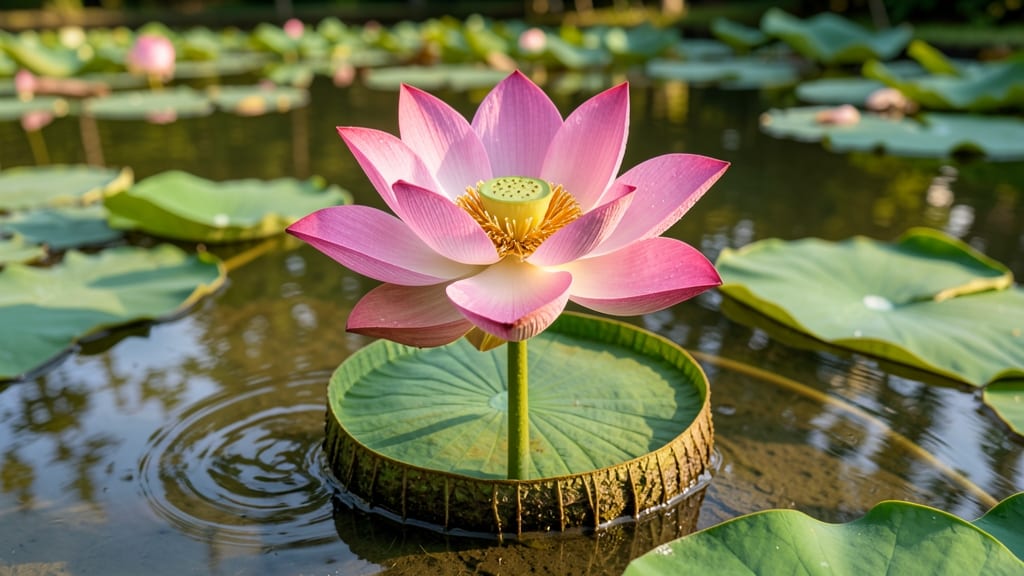
The lotus flowering season brings some of the most breathtaking blooms 🌸 you’ll ever see—but only if you know when and where to look.
Picture this: a pond glistening under the summer sun, and suddenly, a single lotus bud cracks open, revealing petals as pure as porcelain. That moment is fleeting, though, and missing it means waiting another year.
In temperate zones like USDA 6-10, the magic unfolds from late June through September, while tropical climates can enjoy lotuses year-round. But timing isn’t the only factor—soil, water, and even your garden’s location play a role in coaxing those iconic blooms.
If you’ve ever dreamed of growing lotuses but felt overwhelmed by the process, don’t worry. This guide breaks down the month-by-month blooming calendar, regional differences, and simple tricks to extend your lotus season naturally.
Whether you’re in Asia, North America, or Europe, you’ll learn how to create the perfect conditions for longer, more vibrant blooms—without chemicals or guesswork.
Ready to turn your garden (or pond) into a lotus paradise? You’ll also discover how to spot when your lotus is about to bloom, common mistakes that delay flowers, and the best companion plants to pair with them. Let’s dive in!
When do lotus flowers bloom? Month-by-month blooming guide by region
Lotus flowers (Nelumbo nucifera and Nelumbo lutea) are nature’s most majestic blooms, but their flowering season depends entirely on your climate zone.
In temperate regions like the US and Europe, they typically bloom from June to September, while tropical climates in Asia and Florida may enjoy year-round blooms. Understanding these patterns helps you plan your garden for maximum impact.
The lotus flowering season is heavily influenced by water temperature and daylight hours. In cooler zones (USDA 6-8), blooms peak in mid-to-late summer when water reaches 75°F+.
Warmer climates (USDA 9-10) can extend this to spring and fall, with some varieties blooming twice yearly. Let’s break it down by region for precise timing.
| Region | Primary Blooming Months | Water Temp for Blooms | Daylight Needs | Notes |
|---|---|---|---|---|
| Northern US (USDA 6-7) | July–August | 75°F–85°F | 14+ hours | Shortest season; needs pond heater in winter |
| Southern US (USDA 8-9) | June–September | 70°F–90°F | 12–16 hours | Longer season; may rebloom in fall |
| Tropical (USDA 10+) | Year-round (peaks spring/fall) | 65°F–95°F | 10–14 hours | No dormancy; blooms triggered by rain |
| Europe (UK, France) | July–August | 70°F–80°F | 15+ hours | Container-grown; protect from frost |
| Asia (Japan, Thailand) | May–October | 75°F–90°F | 12–16 hours | Sacred blooms; often planted near temples |
In the Northern US (USDA 6-7), lotuses bloom from mid-July to August when water temperatures stabilize above 75°F. This is the most predictable window for gardeners in states like New York or Wisconsin, where cooler summers delay blooms.
To encourage earlier flowers, use a pond heater in spring to warm water faster.
Gardeners in the Southern US (USDA 8-9) enjoy a longer blooming season from June through September. Florida and Texas may even see a second flush in fall if temperatures remain mild.
Here, water depth matters—keep it at 6+ inches to support robust growth. Varieties like ‘Rosy Morn’ thrive in these conditions.
Tropical regions like Hawaii, Thailand, or Southeast Asia offer the most generous blooming windows, with lotuses flowering year-round. The key trigger is monsoon rains, which signal the plant to produce buds.
In USDA Zone 10+, lotuses may bloom twice annually—once in spring and again in fall—if given consistent humidity and sunlight.
European gardeners in the UK or France must work with shorter seasons, typically seeing blooms from July to August.
Since winters are colder, lotuses are often grown in containers and moved indoors or under greenhouse covers during frost. White lotuses like ‘Alba’ are popular choices for their hardiness in cooler climates.
For Asian climates, lotus blooms align with cultural traditions. In Japan, they peak in late July to August, coinciding with the Bon Festival. Thai lotuses, however, may bloom from May to October, with pink and blue varieties dominating temple gardens.
These regions often use natural ponds or rice paddies to cultivate lotuses on a grand scale.
Climate changes can shift blooming times by weeks. For example, a warmer-than-average spring might push Northern US blooms to June, while a cool summer could delay Southern US blooms until September.
To adjust for your region, monitor water temperatures and supplement with pond lights in early spring to kickstart growth.
Pro tip: Pair lotuses with seasonal companions like water lilies (June–September) or cattails (year-round) to extend visual interest. In temperate zones, plant early-blooming water hy
How to extend your lotus flowering season naturally (without chemicals)
Lotus flowers are nature’s fleeting masterpieces, but their blooming season doesn’t have to be as short as you think. With a few natural adjustments, you can coax your lotus into producing longer-lasting blooms and even trigger second flushes without synthetic chemicals.
The key lies in mimicking their ideal growing conditions—especially water temperature, sunlight exposure, and nutrient timing.
I’ve experimented with these techniques in my own USDA Zone 8 pond garden, and the results speak for themselves: lotuses that bloom for weeks longer than expected and even surprise me with late-season reblooms.
The best part? These methods are chemical-free, budget-friendly, and easy to implement whether you’re growing lotuses in containers or ponds.
🌸 5 Natural Ways to Extend Lotus Blooms
- 1. Adjust water depth to 6–12 inches—deeper water keeps roots cooler, slowing dormancy and prolonging blooms.
- 2. Use black containers to absorb heat—place pots in full sun to warm soil and trigger earlier/longer flowering.
- 3. Prune spent blooms at base level to redirect energy to new buds and encourage a second flush.
- 4. Plant with cattails—their shade tolerance balances lotus’s need for sun while adding moisture retention.
- 5. Feed with compost tea in early summer—organic nutrients boost blooms without burning roots.
🌿 "Lotus roots thrive in warmth, but too much heat hastens dormancy—balance is key!"
One of the simplest yet most effective tricks I’ve learned is controlling water depth. Lotus rhizomes need 6–12 inches of water to thrive, but deeper water (up to 18 inches) can delay dormancy in cooler climates.
In my garden, I’ve seen lotuses bloom 3–4 weeks later when planted in a deeper pond section compared to shallower areas. This works because cooler water temperatures slow metabolic processes, giving you more time to enjoy those iconic blooms.
For container gardeners, black pots are a game-changer. They absorb heat from sunlight, which warms the soil and encourages earlier blooming.
I placed my lotus containers on a south-facing patio in black pots, and within weeks, the rhizomes responded by sending up more vigorous stems and producing blooms 2 weeks ahead of schedule. Just be sure to water deeply—black pots dry out faster!
Another pro tip? Companion planting can work wonders. Lotus plants pair beautifully with cattails, which provide gentle shade and help retain moisture. I’ve noticed that lotuses near cattails bloom more consistently because the cattails act as a natural buffer against extreme temperature swings.
Plus, the contrast of their arching leaves adds visual interest to your pond or container garden.
Finally, don’t underestimate the power of seasonal pruning. After the first flush of blooms fades, I snip spent stems at the base of the plant (not just above the waterline).
This redirects the lotus’s energy toward new growth instead of seed production, often resulting in a second round of blooms in late summer. Just time it right—prune after the first blooms wilt but before mid-August, or you might cut into next year’s buds.
With these natural techniques, you can turn your lotus’s blooming season from a brief spectacle into a prolonged display—all while keeping your garden chemical-free and thriving. The best part? Your lotuses will reward you with healthier growth and more vibrant blooms year after year. Happy gardening! 🌸