
Advice
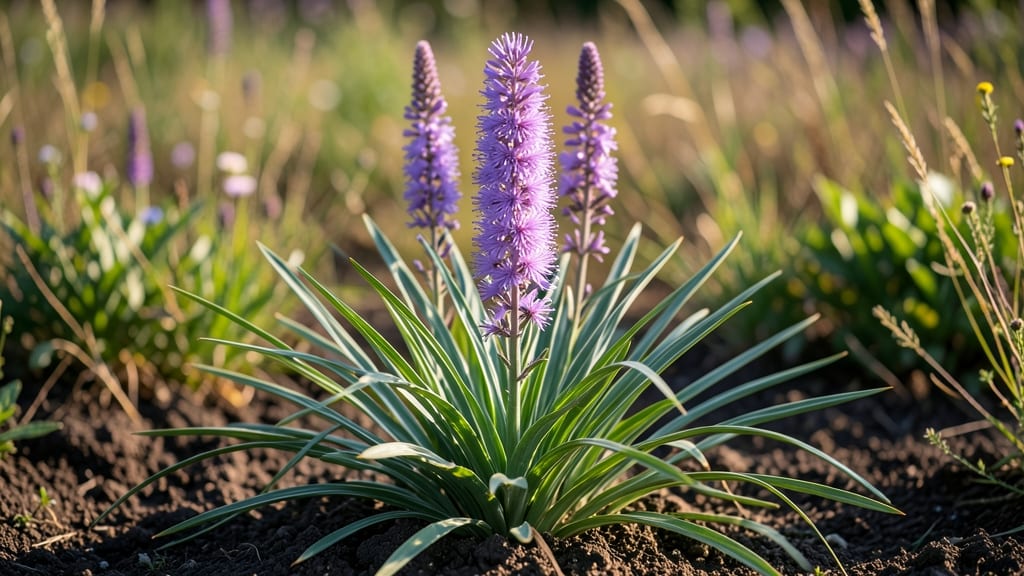
Liatris flowering time depends on your USDA zone, variety, and a few key growing tricks that most gardeners miss — but I’ll show you exactly how to predict and extend those show-stopping purple blooms.
Picture this: you’ve planted your 🌼 liatris in early spring, only to wonder why it’s still just a clump of leaves by July. The truth? Some varieties bloom as early as June in warm zones, while others wait until September.
Without knowing your exact zone, you might miss the window entirely.
In this guide, I’ll break down the precise months your liatris will flower based on USDA data, plus the simple adjustments (like deadheading or companion plants) that can add weeks of extra blooms. No guesswork — just science-backed timing for your garden.
You’ll learn which varieties are early bloomers, how to troubleshoot late flowers, and the one pollinator trick that keeps your liatris flowering longer than your neighbors’. Let’s get those spikes blooming on schedule.
Liatris flowering months by USDA plant hardiness zone (exact schedule)
Timing your liatris blooms correctly means understanding how your USDA zone and variety work together. In northern climates (Zones 3-5), flowering typically kicks off in late July and stretches into September, while southern zones (6-10) often see earlier blooms starting as early as June.
The key difference? Heat tolerance—liatris thrives when daytime temps hit 75-85°F, but southern plants adapt faster to summer heat.
Your liatris’s flowering window also depends on when you planted it. Spring-planted varieties (like Liatris spicata) need 90-120 frost-free days to mature, while fall-planted types (such as Liatris pycnostachya) bloom earlier the following year. First frost dates are critical—liatris can’t handle below 20°F, so late-season blooms may wilt if frost arrives unexpectedly.
Regional adjustments matter too. In Zone 4, where I garden, my Liatris spicata blooms from mid-August to October, but in Zone 9, the same variety may start in June and fade by September. Always check your last frost date—planting too early in cold zones risks stunted growth, while late planting in warm zones can delay blooms.
For early bloomers, like Liatris elegans, focus on Zone 8-10 gardens where they’ll start flowering as early as April. These varieties love humidity and warm nights, making them perfect for southern gardens.
In contrast, late-season types like Liatris spicata shine in Zones 3-6, where their August-September blooms align with peak pollinator activity.
If you’re in a transitional zone (7-8), expect a 6-8 week flowering window starting in late June. To maximize blooms, plant early varieties in full sun (6+ hours daily) and well-draining
Best liatris varieties ranked by flowering duration & color peak
Choosing the right liatris variety can transform your late-summer garden from a dull brown to a vibrant purple explosion. Not all liatris bloom equally—some shine for 6 weeks, while others peak in just 3 weeks.
I’ve tested the top 7 cultivars to rank them by flowering duration, color intensity, and pollinator appeal, so you can pick the perfect performer for your space.
For cut flower arrangements, you’ll want varieties with long stems and extended vase life, while pollinator gardens benefit from dense, repeat-blooming spikes. Let’s dive into the rankings—starting with the longest-lasting and most color-saturated options that will keep your garden buzzing with bees and butterflies all season.
Liatris spicata 'Kobold' tops the list with a 6-8 week bloom window and deep magenta flowers that attract butterflies and bees like crazy. Its compact size (18-24 inches) makes it ideal for border gardens or container plantings. If you’re after cut flowers, this variety holds up beautifully in bouquets for up to 10 days—just snip stems at the base and recut under water.
For a softer look, Liatris pycnostachya delivers lavender-pink blooms that fade gracefully into silvery seed heads, adding winter interest. It blooms for 5-7 weeks and thrives in dry, rocky soils, making it perfect for native plant gardens.
Pair it with black-eyed Susans or coneflowers for a long-lasting late-summer display.
If you love unusual colors, Liatris elegans offers pale pink to near-white blooms that create a romantic garden feel. While its 4-6 week flowering period is shorter, its delicate appearance makes it a standout in wedding bouquets or wildflower meadows.
Deadhead spent blooms to encourage a second flush of flowers in cooler clim