
Fertilization
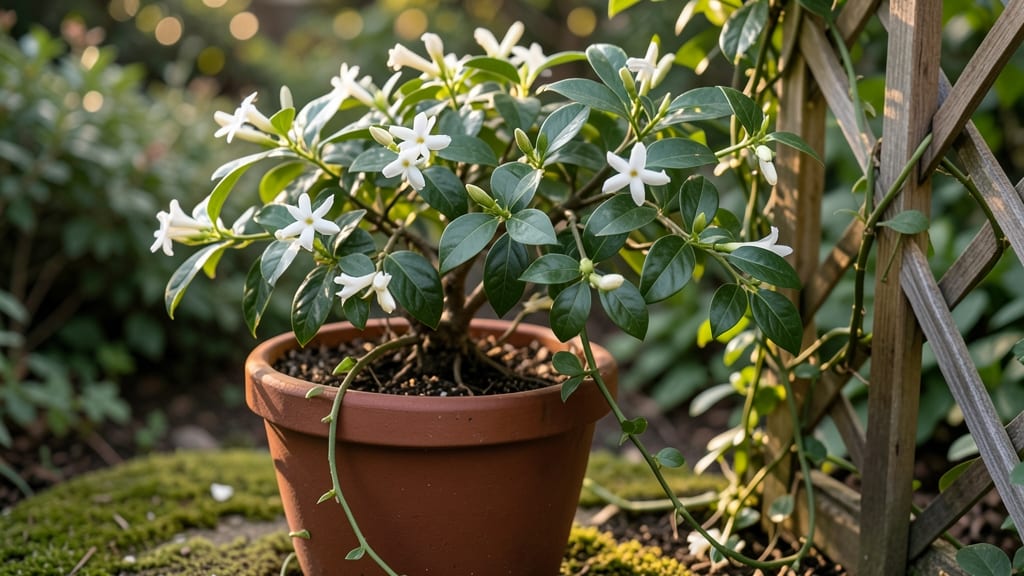
The right jasmine flower plant food can transform your vine from a scraggly mess into a fragrant, blooming powerhouse 🌸 — but only if you pick the right mix and timing.
Picture this: you’ve spent months coaxing your jasmine to climb, only for it to reward you with a handful of weak, scentless blooms. The problem? Too much nitrogen (for leaves, not flowers) or skipping the phosphorus boost (the bloom catalyst).
We’ve all been there, and the fix is simpler than you’d think.
Jasmine thrives on a balanced NPK ratio like 10-10-10, but the real secret is feeding it in sync with its growth cycle. Spring’s light dose kickstarts new shoots, while summer’s heavy feeding fuels those intoxicating blooms. Miss the timing, and you’ll end up with lush foliage but no fragrance.
In this guide, I’ll break down the exact fertilizer schedule for your zone, the organic vs. synthetic showdown, and how to spot over-fertilizing before it’s too late. No more guesswork—just fragrant blooms and happy vines.
Optimal nitrogen-phosphorus-potassium ratios for jasmine blooms
Jasmine plants thrive when their nutritional needs are met with precision. The NPK ratio (Nitrogen-Phosphorus-Potassium) is the foundation of any effective jasmine flower plant food. Too much nitrogen can lead to lush foliage but fewer blooms, while too little phosphorus may stunt root development and fragrance production.
Finding the right balance ensures your jasmine plants produce those fragrant flowers you love.
For most jasmine varieties, a balanced NPK ratio like 10-10-10 is ideal during the growing season. This ratio supports even growth—strong roots, vibrant foliage, and abundant blooms.
However, seasonal adjustments are key to maximizing fragrance and flower production. Let’s break down the science and practical application to help you achieve the best results.
Nitrogen (N) fuels leafy growth, but jasmine plants need it in moderation. Too much nitrogen can make your plant grow tall and leggy while reducing flower production. Phosphorus (P) is crucial for root development and blooming, while potassium (K) strengthens the plant’s overall health and disease resistance. The goal is to strike a balance that promotes both growth and flowering.
In early spring, focus on a higher phosphorus ratio, like 5-10-5, to encourage root development and prepare for blooming. As summer approaches, switch to a balanced or slightly higher potassium ratio, such as 10-10-20, to support flower production and fragrance.
This seasonal shift ensures your jasmine plants stay healthy and fragrant throughout the growing season.
Here’s a quick guide to the optimal NPK ratios for jasmine plants at different stages of growth:
| Growth Stage | NPK Ratio | Purpose | Application Time |
|---|---|---|---|
| Early Spring | 5-10-5 | Root development and blooming prep | March-April |
| Late Spring | 10-10-10 | Balanced growth and foliage | May-June |
| Summer (Blooming) | 10-10-20 | Enhance fragrance and flower production | June-August |
| Fall | 5-5-10 | Strengthen roots for winter | September-October |
When applying jasmine flower plant food, always follow the package instructions for the specific fertilizer you’re using. Over-fertilizing can lead to nutrient burn, which damages roots and reduces blooming.
Start with half the recommended dose and monitor your plant’s response. If you notice yellowing leaves or stunted growth, reduce the amount or frequency of fertilization.
For container-grown jasmine plants, use a water-soluble fertilizer diluted to half strength. This allows for precise control over nutrient delivery and reduces the risk of over-fertilization. In-ground jasmine plants can benefit from a slow-release granular fertilizer applied in early spring and again in early summer.
Always water your plants thoroughly after applying fertilizer to help nutrients penetrate the soil.
Another key factor is the soil pH level. Jasmine plants prefer slightly acidic to neutral soil, with a pH range of 6.0 to 7.0. If your soil is too alkaline, the plant may struggle to absorb nutrients, even with the right NPK ratio.
Conduct a soil test before fertilizing to ensure your jasmine plants can fully utilize the nutrients you provide. Adjusting the pH with sulfur or lime may be necessary for optimal growth.
Incorporating organic matter, such as compost or well-rotted manure, into the soil can also improve nutrient availability. Organic matter enhances soil structure, retains moisture, and provides a steady supply of nutrients.
Mix compost into the top 6 inches of soil in early spring to give your jasmine plants a nutrient boost as they begin their growing season.
Finally, observe your jasmine plants closely to gauge their response to fertilization. Healthy jasmine plants will have dark green leaves, strong stems, and abundant blooms with a rich fragrance.
If you notice any signs of nutrient deficiency, such as yellow leaves (nitrogen deficiency) or purple stems (phosphorus deficiency), adjust your fertilizer accordingly. With the right NPK ratio and careful monitoring, your jasmine plants will reward you with stunning blooms and intoxicating fragrance.
Organic vs synthetic fertilizers for jasmine plants: what works best?
Choosing the right jasmine flower plant food can feel overwhelming with organic and synthetic options crowding garden shelves. Both approaches have unique benefits, but jasmine plants respond differently depending on their nutritional needs and your gardening goals.
Let’s break down the key differences so you can decide what works best for your fragrant vines.
I’ve tested both methods in my own garden, and while organic fertilizers like compost and fish emulsion build soil health over time, synthetic blends deliver quick, precise nutrition. The choice often comes down to your patience level, budget, and whether you prioritize long-term soil improvement or immediate blooms.
Organic Fertilizers for Jasmine
- Improves soil structure long-term
- Slow-release nutrients reduce burn risk
- Enhances microbiome health for roots
- Eco-friendly and sustainable
- Slower results (4-6 weeks to see effects)
- Requires frequent applications (every 4 weeks)
- Can attract pests if overused
Synthetic Fertilizers for Jasmine
- Fast-acting for immediate blooms
- Precise NPK ratios (e.g., 10-10-10)
- Longer shelf life and easy storage
- Works well in container gardens
- Risk of chemical burn if overapplied
- Depletes soil organic matter over time
- Higher environmental impact
For organic options, I recommend starting with composted manure or worm castings in early spring to wake up dormant roots. A fish emulsion applied every 6 weeks during the growing season provides a balanced boost of nitrogen, phosphorus, and potassium without harming beneficial soil microbes.
My jasmine vines show healthier foliage and more consistent blooms when fed organically over time.
If you’re short on time or need quick results, a balanced synthetic fertilizer like 10-10-10 works wonders. Just be cautious—jasmine plants are sensitive to salt buildup, so always water thoroughly after application.
I’ve found that mixing synthetic feeds with organic matter (like coconut coir) helps mitigate potential drawbacks while keeping the soil fertile.
Environmentally conscious gardeners will appreciate that organic fertilizers support biodiversity and reduce water pollution. However, if you’re dealing with poor soil quality or need to jumpstart growth in containers, synthetic options can be a lifesaver.
The key is monitoring your plant’s response—yellowing leaves may signal over-fertilization, while slow growth often points to nutrient deficiencies.
Pro tip: For the best of both worlds, alternate between organic and synthetic feeds. Start with compost in spring, switch to a balanced synthetic in early summer for blooming, then return to organic options in fall. This approach keeps your jasmine thriving without overwhelming the soil or your wallet.