
Flowers
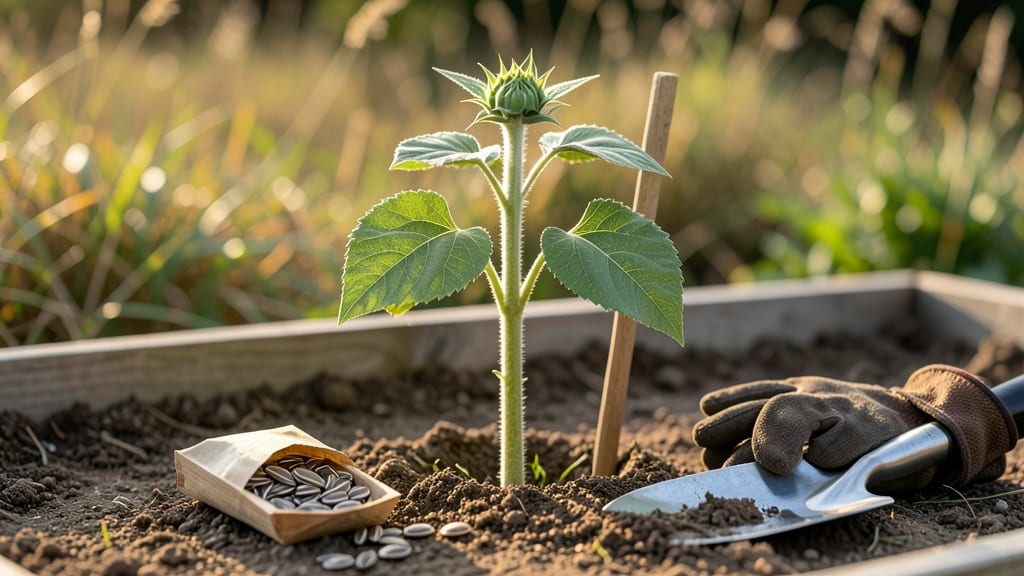
To plant sunflowers 🌻 for those iconic towering stems, start with the right depth and spacing—because even the hardiest seeds need a little guidance to reach their full potential.
Sunflowers aren’t just beautiful—they’re the ultimate beginner-friendly plants that can grow taller than you in just a few months. But if you want those straight, sturdy stems, planting them correctly is the secret weapon most gardeners miss.
Whether you’re growing them for cut flowers, bird feeders, or edible seeds, the first few weeks set the stage for everything that follows. Too shallow, and the roots struggle; too crowded, and they’ll compete for sunlight instead of skyward growth.
In this guide, I’ll walk you through the exact depth and spacing for your sunflower variety, plus pro tips to keep them standing tall—even in windy conditions. Let’s get those seeds in the ground the right way.
Perfect sunflower planting depth and spacing for maximum growth
Sunflowers thrive when planted at the right depth and spacing, but many gardeners make simple mistakes that lead to weak stems or crowded plants.
The key lies in understanding how your sunflower variety affects these two critical factors—especially when comparing giant varieties like 'Mammoth' to dwarf types like 'Teddy Bear'.
Research shows that planting seeds too deep can stunt germination, while spacing them too closely causes competition for sunlight and nutrients. For maximum growth, aim for a 1-inch depth and adjust spacing based on mature height—6 inches apart for dwarfs and up to 24 inches for giants.
This ensures each plant gets the air circulation and root space it needs to reach its full potential.
Why this matters: Proper depth encourages strong root systems, while correct spacing prevents disease spread and maximizes sunlight exposure. Even a 4-inch difference in spacing can mean the difference between a flopping stem and a sturdy, towering plant ready for your cut flower arrangements or bird feeders.
For dwarf varieties, like 'Little Becka' or 'Peko', you can get away with tighter spacing since they naturally stay compact. These work beautifully in container gardens or as edging plants.
However, if you're growing giant sunflowers like 'Russian Giant' or 'Autumn Beauty', give them room to spread—24 inches apart is ideal to prevent overcrowding and ensure each plant gets its share of nutrients.
One common mistake is planting seeds too shallow, which can dry out the soil and slow germination. Always use your finger to create a small furrow 1 inch deep, then cover the seed lightly with soil.
For direct sowing (the preferred method for sunflowers), plant 2-3 seeds per hole and thin to the strongest seedling once they're 4-6 inches tall. This saves you the hassle of transplanting.
If you're growing sunflowers in containers, choose large pots (at least 12 inches wide) for standard varieties and 18 inches wide for giants. Use a well-draining potting mix with added compost to ensure roots have room to expand.
Container-grown sunflowers may need staking earlier than in-ground plants due to limited root support.
Another pro tip: Soil temperature matters! Sunflower seeds germinate best when soil reaches 60°F or warmer. If you're planting early in spring, consider using black plastic mulch to warm the soil faster. This also helps suppress weeds, which can compete with young sunflowers for water and light.
For maximum sunlight exposure, avoid planting sunflowers near tall trees or structures that cast shade. Even partial shade can cause stems to become weak and leggy, leading to flopping.
If you're in a shady garden, opt for dwarf varieties or supplement with grow lights during the early stages.
Remember, sunflowers are heavy feeders—they need plenty of phosphorus and potassium to support their rapid growth. After thinning, side-dress with a balanced fertilizer (like 5-10-10) to give your plants the boost they need.
However, avoid over-fertilizing, as this can lead to excessive foliage at the expense of flower production.
Whether you're growing sunflowers for cut flowers, birdseed, or just the joy of watching them grow, nailing the planting depth and spacing is your first step to success. With these science-backed guidelines, you'll be well on your way to growing sunflowers that reach new heights—literally! 🌻
Step-by-step sunflower planting process for healthy starts
Sunflowers thrive when planted with care, and the foundation starts long before you drop those seeds into the soil. I always begin by testing my garden beds for well-draining soil with a pH between 6.0 and 7.5.
Sunflowers aren't picky, but they reward you best when their roots can spread freely without sitting in soggy conditions. If your soil is heavy clay, mix in compost or sand to improve aeration.
Choose a location with full sun exposure—at least 6-8 hours daily. My favorite spot is near the south side of my fence, where the sun hits strongest.
Avoid planting where last year's sunflowers stood, as this prevents soil-borne diseases from recurring. Rotate your planting area to keep your sunflowers healthy and vigorous.
How to Plant Sunflowers: Step-by-Step
-
Step 1: Prepare the Soil
Loosen soil to a depth of 12 inches with a garden fork or tiller. Remove weeds and rocks. Mix in 2 inches of compost to enrich the soil naturally. -
Step 2: Plant the Seeds
Drop 1-2 seeds per hole, 1 inch deep. Space 6 inches apart for dwarf varieties or 12-18 inches apart for standard/tall sunflowers. Giant varieties need 24-36 inches of space. -
Step 3: Water Gently
Water immediately after planting to settle the soil. Use a fine spray nozzle to avoid displacing seeds. Keep soil consistently moist (not soggy) until germination, which takes 7-14 days. -
Step 4: Thin Seedlings
Once seedlings reach 2-3 inches tall, thin to the strongest plant per hole. Use scissors to snip weak stems at soil level—avoid pulling to prevent disturbing roots. -
Step 5: Mulch and Fertilize
Apply 2-3 inches of mulch (straw or shredded leaves) to retain moisture. Side-dress with 5-10-10 fertilizer when plants are 6 inches tall, using 1 tbsp per plant.
After planting, watch for early signs of stress like yellowing leaves or stunted growth. These often signal overwatering or poor drainage. I always check the soil 1 inch below the surface—if it's damp, hold off on watering.
Sunflowers are surprisingly drought-tolerant once established, but young plants need consistent moisture to develop strong roots.
Within 2-3 weeks, you’ll see those first true leaves emerge. This is your cue to start light fertilizing every 4-6 weeks during the growing season. I use a balanced 10-10-10 fertilizer to ensure steady growth without encouraging too much foliage at the expense of those stunning blooms.
Too much nitrogen will give you leafy monsters instead of flowers!
Pro tip: If you're growing tall varieties (like 'Mammoth' or 'Russian Giant'), consider installing bamboo stakes or cages early. This prevents flopping later when the stems get heavy. I tie the stems loosely with soft plant ties as they grow—never too tight, or you'll restrict their natural expansion.