
How To
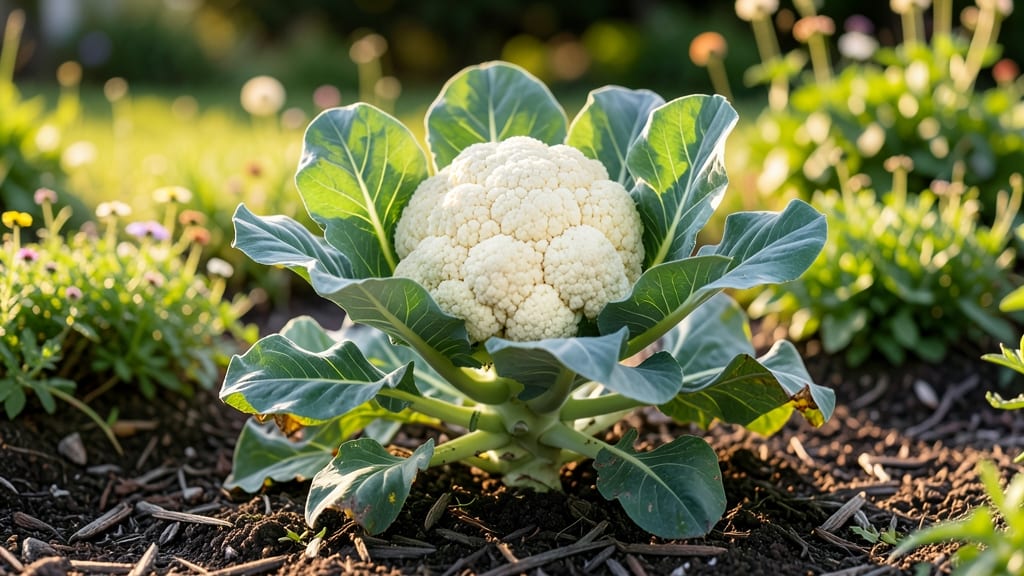
Cauliflower plants grow between 18 and 24 inches tall on average, but some varieties can stretch over 3 feet—and that height makes all the difference in how you plan your garden.
Picture this: You’ve just planted your spring 🥬 crop, only to realize by midsummer that your "compact" variety is now a towering obstacle in your raised bed. The right spacing and variety choice can save you from a crowded, unruly harvest.
Whether you’re working with dwarf types for containers or standard varieties for your backyard plot, height affects everything from sunlight access to pest control. Below, I’ll break down how to pick the perfect size for your space—and how to keep those plants growing strong without taking over your garden.
You’ll also learn how to spot when a plant is growing too tall (and how to fix it), plus the best spacing tips to ensure every head gets the room it needs to thrive.


Cauliflower height by variety: dwarf vs. standard vs. giant types
Choosing the right cauliflower variety isn't just about flavor—it's about space. Dwarf varieties stay compact at 12-18 inches, while giant types can reach 36+ inches. Your garden layout, container choices, and even harvest ease depend entirely on height.
Let's break down the three main categories so you can pick the perfect fit for your space and goals.
I've grown everything from container-friendly dwarfs to towering giants, and the difference in care is night and day. For example, my Snowball Y Improved plants (standard height) needed 18 inches of spacing, while my Purple of Sicily (giant) required 24 inches just to stand upright.
The right variety can make or break your harvest success.
Here's the key difference: Dwarf varieties thrive in 5-gallon containers or tight garden beds, while giant types need full garden rows and sturdy stems. Even wind exposure becomes a factor—tall varieties can flop over without proper support. Let's compare the three height categories with real-world examples.
Let's start with dwarf varieties, my personal favorite for small spaces. The Purple of Sicily and Snowball Y Improved stay under 18 inches, making them perfect for 5-gallon containers or tight garden corners.
I once grew six dwarf plants in a 4'x4' raised bed with 12 inches of spacing, and they produced three harvests each! The trade-off? Smaller heads—typically 4-6 inches in diameter.
For standard-height varieties, think 24-30 inches of mature growth. These are the workhorses of home gardens, like Snowball or Cheddar. They need 18-24 inches of spacing and thrive in full garden rows.
My Snowball plants in the ground produced heads 8-10 inches wide, perfect for roasting. The key here is sturdy stems—these varieties can flop over in windy conditions.
Now for the giant varieties, where things get interesting. Types like Romanesco or Italian White can reach 36+ inches, requiring 24-30 inches of spacing. I planted Purple of Sicily giants last year and was shocked by their 12-inch-wide heads—but they needed stakes to stay upright!
These are best for large gardens or trellis systems to save space.
Here's a pro tip: Giant varieties often produce larger heads but take longer to mature (up to 80 days). Meanwhile, dwarfs mature in 50-60 days, giving you multiple harvest windows in one season.
For example, I planted dwarf Snowballs every 2 weeks and had continuous harvests from June to September.
Your garden layout should consider height from day one. Place tall varieties along fences or trellises to save space, while dwarfs can edge pathways or fill containers.
I once stacked containers vertically with dwarf cauliflower, basil, and strawberries—a space-saving dream! Even companion planting changes with height: Tall varieties shade low-growing herbs, while dwarfs
How cauliflower height affects your garden layout and harvest
Choosing the right cauliflower height for your garden isn't just about saving space—it directly impacts your harvest success and plant health. Taller varieties like Romanesco or Purple of Sicily can reach 3 feet, while dwarf types like Snowball Y Improved stay compact at 12-18 inches.
Your layout decisions should account for these differences to avoid shading issues or overcrowding.
Taller cauliflower plants need more sunlight exposure at their base, which is why I always place them in the northern end of my garden beds. This prevents smaller plants from being blocked by their towering neighbors.
For container gardening, stick to dwarf varieties—they thrive in 5-gallon pots without needing extra support.
Here’s how cauliflower height influences your garden strategy, from spacing to pest control:
- 📏 Spacing: Dwarf varieties (12-18") need 12" apart; tall types (30"+) require 18-24" spacing to prevent disease from poor airflow.
- ☀️ Sunlight: Tall plants cast longer shadows—place them south of shorter crops (like lettuce) to avoid blocking light.
- 🌱 Companion Planting: Use onion or thyme near tall cauliflower to deter pests like cabbage moths, which target leafy foliage.
- 🪴 Trellising: Giant varieties (e.g., Graffiti) benefit from lightweight stakes to support heavy heads without bending.
- 🐛 Pest Risk: Taller plants are more vulnerable to aphids—spray with neem oil if you notice curling leaves on upper foliage.
If you’re growing mixed-height cauliflower varieties, create tiers in your garden beds. For example, plant dwarf cauliflower in the front row, medium-height in the middle, and tall types along the back. This ensures all plants get equal sunlight and makes harvesting easier—no more bending over for compact heads!
For urban gardeners with limited space, consider vertical gardening. Use wall-mounted planters for dwarf varieties and hanging baskets for smaller heads. Just ensure the containers have drainage holes to prevent root rot, a common issue with overwatered cauliflower.
Pro tip: Monitor your plants’ growth rate in the first 4 weeks. If stems appear too leggy, prune lower leaves to encourage a stockier structure. This reduces the risk of lodging (falling over) when heads mature.
Remember, height isn’t the only factor—soil fertility and water consistency play huge roles too. Amend your beds with compost before planting to give taller varieties the nutrients they need to support their weight.
With the right layout, even 3-foot giants can thrive in your garden without becoming a nuisance! 🌱