
Flowers
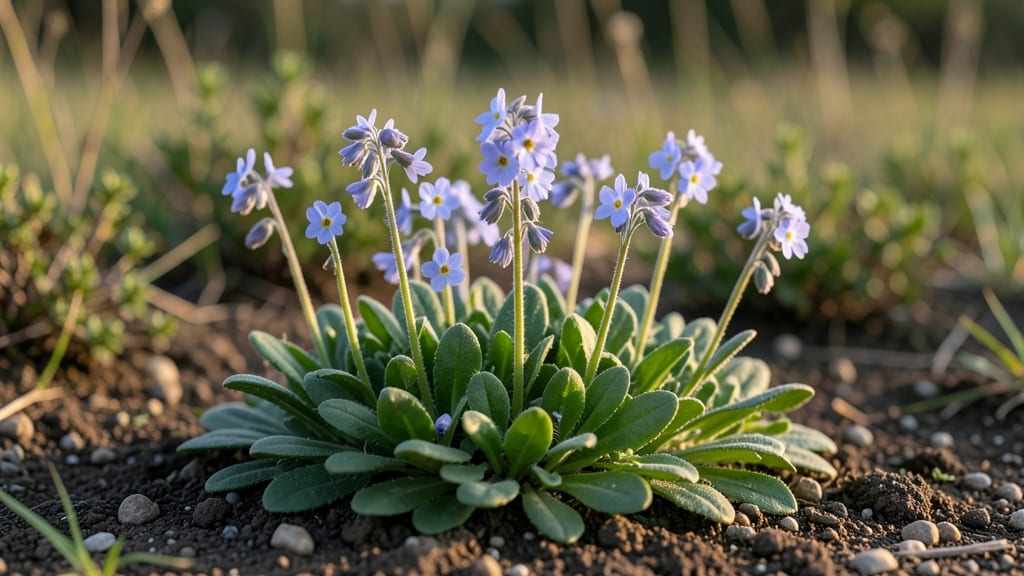
Forget-me-not flowers grow between 6 and 18 inches tall, making them the perfect choice for small gardens, containers, or even fairy gardens 💙.
If you're dreaming of delicate, blue-eyed forget-me-not flowers but worried about space, you're in luck—these charming blooms stay surprisingly compact, making them perfect for borders, containers, and even rock gardens.
Most varieties, like the classic Myosotis sylvatica, max out around 12–18 inches, while dwarf types like 'Blue Ball' stay under 6 inches. This means you can tuck them into tight spots without sacrificing beauty.
In this guide, I’ll break down how height varies by variety, how to control growth for the perfect look, and which tiny types are ideal for small spaces—so you can enjoy these cheerful blooms no matter how limited your garden is.


Forget-me-not height variations by popular varieties (with visual guide)
If you're planning your garden layout, knowing how tall forget-me-not flowers grow is key to placing them just right. These charming blooms come in a range of heights, from dwarf varieties perfect for window boxes to slightly taller types ideal for borders.
Understanding these variations helps you create stunning, space-efficient displays while ensuring each variety thrives in its designated spot.
The most common forget-me-nots—like the classic Myosotis sylvatica—typically reach 12 to 18 inches tall at maturity. However, newer cultivars and dwarf varieties can stay as short as 6 inches, making them versatile for almost any garden design.
Whether you're filling a container garden or lining a rockery edge, choosing the right height ensures your forget-me-nots shine without overwhelming their surroundings.
Below is a quick-reference summary table breaking down the height ranges of popular forget-me-not varieties, including their ideal growing conditions and best uses. This will help you visualize how each type fits into your garden plan.
| Variety | Height Range | Growth Habit | Best For |
|---|---|---|---|
| Myosotis sylvatica (Classic) | 12–18 inches | Upright | Borders, cottage gardens |
| Myosotis alpestris (Alpine) | 6–10 inches | Compact | Rock gardens, containers |
| Myosotis scorpioides (Creeping) | 4–8 inches | Trailing | Hanging baskets, fairy gardens |
| Myosotis 'Blue Ball' | 8–12 inches | Bushy | Window boxes, pollinator gardens |
| Myosotis 'Dwarf Blue' | 6–10 inches | Dwarf | Small-space gardens, edging |
As you can see, the Myosotis alpestris and Myosotis scorpioides varieties are the shortest, making them ideal for small-space gardening. These dwarf forget-me-nots are perfect if you're working with limited vertical room, like in a window box or fairy garden.
Their compact stature also means they won’t flop over in windy conditions, ensuring they stay neat and tidy all season long.
On the other hand, the classic Myosotis sylvatica is the tallest option, standing proud at 12 to 18 inches. This makes it a great choice for back-of-border plantings or as a cut-flower option.
Its height allows it to stand out while still blending beautifully with taller perennials like delphiniums or foxgloves. If you're aiming for a romantic cottage-garden look, this variety is a must-have.
For those who love trailing plants, Myosotis scorpioides is a game-changer. Its 4 to 8-inch height and spreading habit make it perfect for hanging baskets or spilling over the edges of container gardens.
Pair it with other trailing plants like alyssum or lobelia for a cascading effect that’s both eye-catching and low-maintenance.
One common question I hear is whether forget-me-not height varies by growing conditions. The answer is yes! While genetics play a big role, providing well-draining soil and moderate sunlight (4–6 hours daily) will help your plants reach their full potential height without becoming leggy.
Overcrowding can also stunt growth, so be sure to space plants 8 to 12 inches apart depending on the variety.
If you're growing forget-me-nots in containers, choose pots that are at least 6 inches deep to accommodate their root systems. Dwarf varieties can thrive in smaller pots, while taller types may need extra depth to support their stems.
Always use pots with drainage holes to prevent root rot, which can weaken plants and affect their height and blooming.
For a pollinator-friendly garden, taller forget-me-nots like Myosotis sylvatica attract bees and butterflies with their abundant blooms. Plant them near other bee-loved flowers like lavender or salvia to create a buzzing hub of activity.
Even the shortest varieties, like Myosotis alpestris, will draw in beneficial insects, proving that height doesn’t limit their impact.
Remember, the key to happy forget-me-nots—regardless of height—is consistent moisture and regular deadheading. Prune spent blooms to encourage more flowers and maintain a neat appearance. With the right care, your forget-me-nots will thrive, adding color and charm to your garden in any space.
How to control forget-me-not height for optimal growth (pruning & spacing tips)
If your forget-me-nots (Myosotis spp.) are stretching taller than expected, don't worry—you can easily guide their growth with a few simple techniques. These compact flowers typically reach 6–18 inches tall, but leggy stems often signal overcrowding or poor light.
The good news? With the right spacing and pruning habits, you can keep them bushy and blooming at their ideal height.
Forget-me-nots thrive when given enough room to breathe, but they also respond beautifully to strategic trimming. By pinching back leggy stems and thinning crowded clusters, you encourage fuller growth and more flowers.
The key is balancing their natural trailing habit with your garden's layout—whether that's a border, container, or fairy garden. Let's dive into the best methods to maintain their perfect height.
🌱 Key Tips for Controlling Forget-Me-Not Height
- 📏 Spacing: Plant 8–12 inches apart in beds or 6–8 inches in containers to prevent overcrowding.
- ✂️ Pruning: Trim leggy stems to 4–6 inches tall after flowering to encourage bushier growth.
- 🌿 Light: Provide 4–6 hours of sunlight—too much shade causes stretching, while afternoon sun can scorch.
- 💧 Watering: Keep soil consistently moist but well-drained to avoid weak, elongated stems.
- 🌱 Fertilizing: Use a balanced 5-10-10 fertilizer lightly in spring to support compact growth.
One of the easiest ways to control forget-me-not height is through proper plant spacing. When you crowd these plants too closely, they compete for nutrients and light, leading to taller, weaker stems.
In garden beds, space them 10–12 inches apart, while containers benefit from slightly tighter spacing (6–8 inches) to encourage a mounding habit. This also improves airflow, reducing the risk of fungal issues that can further weaken stems.
Pruning is your secret weapon for keeping forget-me-nots at their ideal height. After the first flush of flowers fades, use clean bypass pruners to trim back leggy stems to about half their height.
This encourages new side shoots and a bushier plant. For container-grown forget-me-nots, a light pinch of the topmost leaves can redirect energy downward, preventing them from becoming too top-heavy.
Soil conditions play a surprisingly big role in forget-me-not height. These plants prefer well-draining, slightly acidic soil (pH 6.0–7.0). Heavy or waterlogged soil can stunt root growth, leading to taller, less stable stems.
Amend your soil with compost or peat moss to improve drainage and fertility. A mulch layer (1–2 inches) also helps retain moisture while keeping roots cool—perfect for preventing legginess.
Forget-me-nots are versatile enough to thrive in containers, hanging baskets, or rock gardens, but their height can vary based on their growing environment. In shadier spots, they may stretch slightly taller, while full sun can promote bushier growth.
If you're growing them in containers, choose pots at least 6 inches deep and 8–12 inches wide to accommodate their root system without restricting growth.
With these tips, your forget-me-nots will stay compact, healthy, and blooming all season long. The best part? Their delicate blue flowers will spill over edges beautifully, adding color to borders, windowsills, or even fairy garden paths. Happy gardening! 🌷