
Flowers
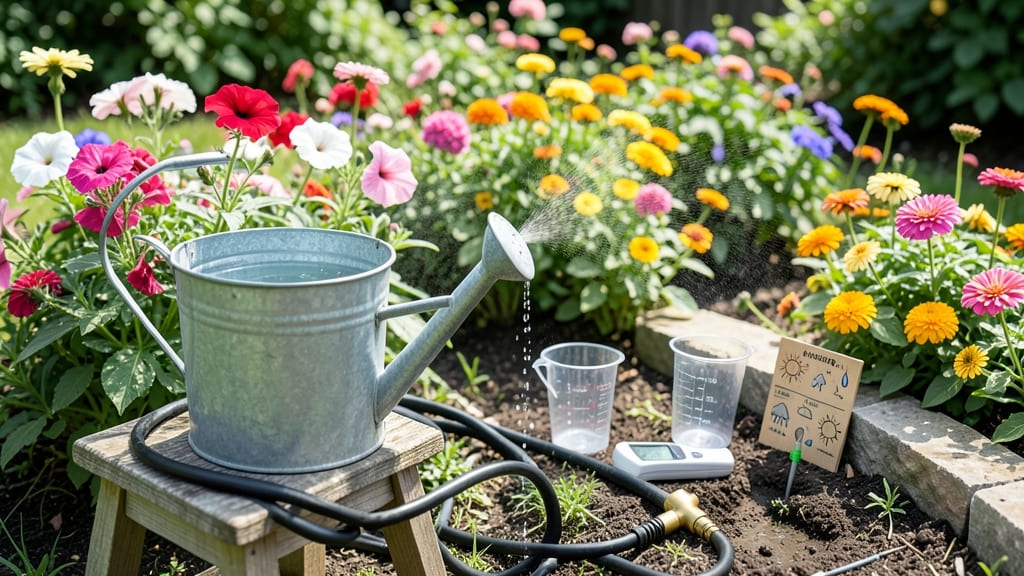
Flowers need 1 to 2 cups of water per plant every 3 to 5 days, but guessing this schedule is how you end up with wilted blooms or drowned roots.
Overwatering kills more flowers than drought—yet most gardeners pour the same amount regardless of heat, soil, or plant type. 🌸 The truth? Roses thirst like deserts in July, while succulents store water like tiny cacti.
Here’s the science-backed breakdown: how deep to water, when to check soil moisture (without a meter), and how climate shifts your schedule from spring’s gentle rains to summer’s scorching sun.
You’ll learn the exact watering rules for your flowers—no more guesswork, just vibrant blooms and happy roots.
Science-backed watering schedule for different flower types
Watering flowers isn't a one-size-fits-all task—each type has unique needs based on their natural habitat and growth habits. Annuals like petunias and marigolds demand consistent moisture, while drought-resistant perennials like lavender thrive with minimal water. Understanding these differences prevents both underwatering and overwatering, which can stunt growth or invite pests.
The key lies in soil moisture science: most flowers prefer 1-1.5 inches of water per week, but timing and frequency vary dramatically by type.
Seasonal adjustments are equally critical. In summer, heat increases evaporation, so you may need to water daily, while winter's cooler temps reduce frequency to every 10-14 days.
Tropical flowers like hibiscus require high humidity and frequent misting, whereas succulents store water in their leaves and need only occasional deep soakings. Let’s break down the science so you can water with confidence, not guesswork.
🌱 Pro Tip: Always water at the base of the plant, not overhead, to prevent fungal diseases like powdery mildew. Early morning is ideal—it gives leaves time to dry before evening humidity sets in.
For annuals, think of watering as a daily ritual during their short lifespan. Plants like zinnias and marigolds wilt quickly when thirsty, so check soil moisture daily in summer. A simple test: stick your finger 1 inch into the soil.
If it feels dry, it’s time to water. Perennials, however, store water more efficiently. Roses and peonies can handle 3-5 days between waterings, but mulch heavily to retain moisture and regulate soil temperature.
Tropical flowers like hibiscus and cannas mimic their native rainforest environments. They demand daily misting in hot climates and weekly deep soakings to prevent leaf scorch.
If you notice crispy edges on leaves, increase humidity with a pebble tray or indoor humidifier. Drought-resistant varieties like lavender and yarrow are the low-maintenance stars of the garden. Water them every 10-14 days, and they’ll reward you with fragrant blooms and minimal fuss.
Seasonal shifts demand flexibility. In spring, focus on establishing root growth—water lightly but frequently to encourage shallow roots.
By summer, switch to deep watering every 2-3 days to strengthen roots and prepare for heat stress. Fall is a transition period: reduce frequency as days shorten, but keep soil moist for late-season bloomers like chrysanthemums.
In winter, most flowers enter dormancy—water only when soil is bone-dry, usually every 2-3 weeks.
Soil type plays a hidden role. Clay soil holds moisture longer, so water less frequently, while sandy soil drains quickly, requiring more
How to tell when flowers need water (without guessing)
Most gardeners struggle with the guesswork of watering. Your flowers might be thirsty or drowning without you realizing it. The key is learning their visual and tactile cues—no moisture meters required.
I’ll show you how to read your plants like a pro, so you water just enough to keep them thriving.
Start by checking the soil moisture with your fingers. Stick your index finger about 1-2 inches deep—if it feels dry, it’s time to water. For container plants, lift the pot: if it’s light as a feather, your flowers are begging for hydration.
These simple tricks save time and prevent overwatering mistakes that kill blooms.
- 🌱 Leaf Test: Gently press a leaf—if it springs back, it’s hydrated. If it stays crisp or wilts, water immediately.
- 💧 Stem Flexibility: Bend a stem—flexible = happy, brittle = thirsty. Overly soft stems signal overwatering.
- 🪴 Soil Texture: Dry soil cracks or pulls away from the pot. Moist soil clumps slightly but isn’t soggy.
- ⏰ Time of Day: Water in the morning (6-9 AM) to reduce evaporation and fungal risk.
- 📏 Moisture Meter: For precision, use a digital meter—aim for 40-60% moisture in most flower beds.
Don’t ignore the color of your leaves. Yellowing edges often mean underwatering, while yellowing between veins signals overwatering or root rot. Pay attention to new growth too—slow or stunted leaves are a cry for water (or nutrients).
I’ve caught multiple wilting blooms by spotting these early signs before they became irreversible.
For container gardens, weight matters. A dry pot feels light and hollow when tapped, while a hydrated one has a solid thud. Pro tip: Group containers together to create a microclimate that retains moisture longer. This simple hack cuts your watering time in half while keeping roots happy.
Seasonal changes dramatically alter water needs. In summer, check soil moisture daily—flowers like petunias or geraniums may need water every 24 hours in extreme heat. In winter, reduce watering to once every 2 weeks unless you’re growing tropical flowers indoors.
Trust your senses over a strict schedule. Combine the leaf test, soil check, and stem flexibility method for foolproof results. With practice, you’ll water like a flower whisperer, saving time and keeping your garden vibrant all season long. 🌸