
Light Requirements
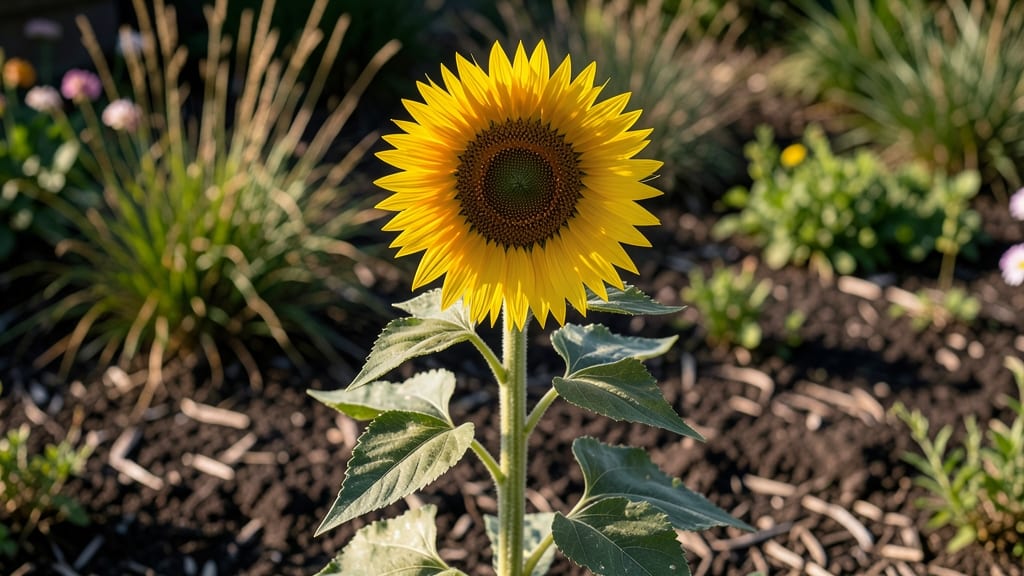
Sunflowers thrive best when they receive how many hours of sun do sunflowers need—at least 6 to 8 hours of direct sunlight daily to grow tall and vibrant 🌻 — the more light they get, the faster they’ll reach their full potential.
Picture this: your sunflowers stretching toward the sky, their petals bright and cheerful, only to wilt or lean awkwardly if they’re not getting enough sun. That’s because sunlight isn’t just a preference for these giants—it’s the fuel that powers their growth from seed to towering bloom.
Most gardeners assume "full sun" means all-day exposure, but even 6 hours can work in cooler climates, while 8+ hours is ideal for faster, stronger stalks. The key is balancing their needs with your garden’s light conditions—whether you’re in a sunny backyard or a slightly shaded spot.
Below, I’ll break down how to spot sunlight shortages, adjust planting spots, and even supplement light if needed, so your sunflowers thrive without guesswork.


Optimal sunlight hours for sunflower growth: the science-backed range
Sunflowers thrive under full sun, but their exact needs vary by variety and growth stage. Most sunflowers require 6 to 12 hours of direct sunlight daily for optimal growth, though some dwarf varieties tolerate slightly less.
Understanding these ranges ensures your sunflowers grow tall, strong, and vibrant—not leggy or weak.
Sunlight is critical for sunflowers because it drives photosynthesis, fueling their rapid vertical growth. Without enough light, plants produce fewer flowers, weaker stalks, and lower seed yields. Even partial shade can reduce their iconic height and bloom size, turning your garden giants into underachievers.
Here’s how sunlight needs break down by variety and growth phase, with science-backed recommendations to maximize your sunflowers’ potential:
| Variety Type | Sunlight Needs | Growth Stage Requirements | Impact of Insufficient Light |
|---|---|---|---|
| Giant Varieties (e.g., 'Mammoth', 'Russian Giant') | 10-12 hours | Seedling: 6+ hours Vegetative: 8-10 hours Bloom: 10+ hours |
Weak stalks, fewer seeds, stunted growth |
| Standard Varieties (e.g., 'Autumn Beauty', 'ProCut') | 8-10 hours | Seedling: 5-6 hours Vegetative: 7-9 hours Bloom: 8+ hours |
Pale petals, smaller blooms, delayed flowering |
| Dwarf Varieties (e.g., 'Teddy Bear', 'Little Becka') | 6-8 hours | Seedling: 4-5 hours Vegetative: 6-7 hours Bloom: 6+ hours |
Slow growth, fewer flowers, leggy stems |
| All Varieties (Critical Stages) | Minimum 6 hours | Seedling: 4-6 hours Bud Formation: 8+ hours Maturity: 10+ hours |
Reduced photosynthesis, poor stalk strength, seed sterility |
During the seedling stage, young sunflowers need 4 to 6 hours of sunlight to establish roots and leaves. This early light exposure sets the foundation for their future growth. Skimping here can lead to weak seedlings that struggle to compete with weeds or support heavy blooms later.
As sunflowers enter the vegetative stage, their sunlight needs increase to 8 to 10 hours daily. This is when they focus on growing taller and developing leaves.
Without enough light, their stems elongate excessively—a condition called etiolation—resulting in weak, floppy stalks that can’t support their own weight or heavy flower heads.
The blooming stage demands the most sunlight, with 10 to 12 hours of direct light ideal for giant varieties. This ensures robust flower development and seed production.
Even standard varieties benefit from 8+ hours during this phase. Insufficient light here can cause buds to abort or produce flowers that fail to open fully.
Sunflowers are photoperiod-sensitive, meaning their growth is influenced by daylight length. In shorter-day conditions (like fall), they may bolt prematurely or produce smaller blooms. To counteract this, prioritize south-facing garden beds or use reflective surfaces like white mulch or mirrors to bounce extra light onto plants.
If your sunflowers receive less than 6 hours of sunlight, they’ll show signs of distress: pale, sparse leaves, weak stems, and small, underdeveloped blooms. In extreme cases, they may fail to flower altogether.
Even partial shade can reduce seed production by up to 50%, making sunlight a non-negotiable factor for a bountiful harvest.
For container-grown sunflowers, rotate pots every few days to ensure even light exposure. Dwarf varieties are more adaptable to partial shade, but even they thrive best with at least 6 hours of direct sun.
If your garden lacks full sun, consider grow lights for supplemental illumination during critical growth stages.
Remember: sunflowers don’t just need sunlight—they crave it. The more light they receive, the taller, stronger, and more productive they’ll become. With the right sunlight strategy, your sunflowers will reward you with vibrant blooms and abundant seeds that rival the tallest giants in the field.
How to adjust sunlight for sunflowers in different climates
Sunflowers thrive in full sun, but urban gardens, shaded patios, or extreme climates can make this tricky. If your plants aren’t getting enough light, they’ll grow leggy or produce small blooms. The key is adapting their environment without compromising their photosynthesis needs. Let’s explore practical solutions for every scenario.
First, assess your garden’s natural light. Use a sunlight tracker or observe shadows throughout the day. Sunflowers need at least 6 hours of direct sunlight daily, but in hot climates, they can tolerate up to 10 hours with proper watering. If your space falls short, don’t worry—we’ll cover creative workarounds.
- 🌱 Urban Gardens: Place sunflowers near south-facing walls or use reflective surfaces (like white fences) to bounce light onto plants.
- 🌿 Shaded Areas: Opt for dwarf varieties (e.g., 'Teddy Bear') and supplement with a grow light for 4-6 hours daily.
- ☀️ Hot Climates: Provide afternoon shade to prevent bolting (premature flowering) and water deeply to maintain soil moisture.
- 🌧️ Cloudy Regions: Choose taller varieties (e.g., 'Mammoth') and space plants closer together to maximize light capture.
- ✂️ Seasonal Adjustments: Prune lower leaves in summer to improve air circulation and redirect energy to the flower head.
Companion planting can also boost sunlight exposure. Pair sunflowers with low-growing companions like beans or lettuce to create a microclimate that traps heat and light. Avoid tall plants like corn, which can block sunlight and stunt growth. In containers, rotate pots weekly to ensure even light exposure on all sides.
For extreme climates, monitor your sunflowers closely. In arid regions, mulch heavily to retain moisture and reduce stress. In cooler zones, extend the growing season by starting seeds indoors under grow lights before transplanting. Always harden off seedlings gradually to prevent shock from sudden sunlight changes.
Finally, don’t overlook seasonal adjustments. Sunflowers planted in late spring may need extra care as daylight hours shorten. Use a light meter to track exposure and adjust planting locations as needed. With these strategies, even the shadiest spot can become a sunflower paradise!
🌻