
Blooming
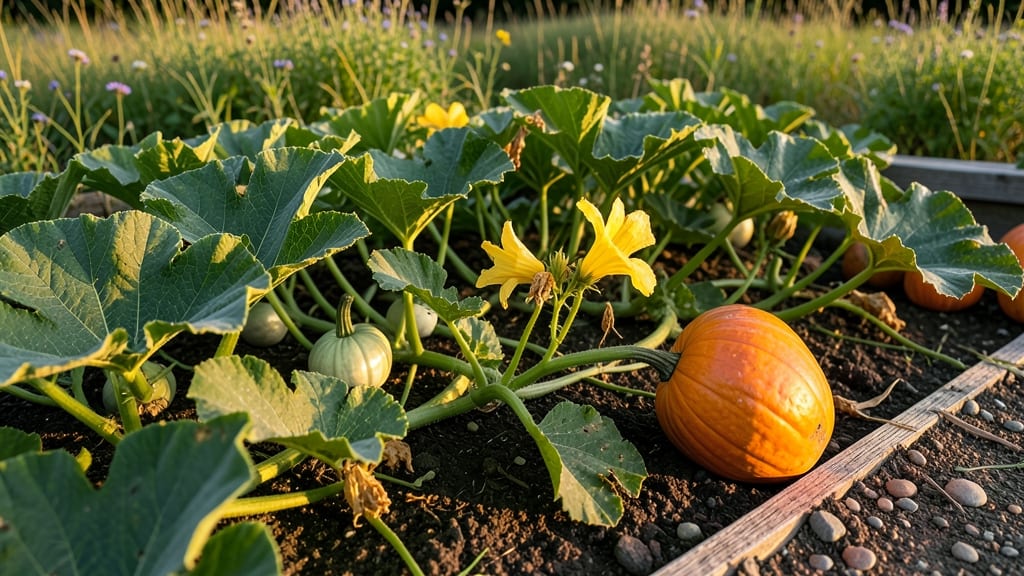
From flower to pumpkin takes about 7 to 14 days once pollination happens, but the real story starts long before that—with the right flowers, the right weather, and sometimes a little help from you.
Ever wondered why your pumpkin vine keeps blooming but never produces fruit? The time from flower to pumpkin isn’t just about waiting—it’s a precise biological process tied to pollination, weather, and plant health. Here’s exactly what to expect (and how to speed it up).
Most gardeners assume the first female flower 🎃 means fruit is coming, but temperature swings, low humidity, or even a lack of bees can stall development. Even if pollination succeeds, some varieties take up to 2 weeks just to set fruit, while others need 30+ days to mature.
Below, I break down the exact timeline, the signs of success (and failure), and the 3 key factors that determine whether your pumpkin will grow—or disappear back into the vine.
Pumpkin flower to fruit timeline: what to expect week by week
If you've ever watched your pumpkin vine burst into bright yellow flowers only to wonder why no fruit appears, you're not alone. The 7–14 day window between pollination and fruit set is where magic happens—or fails.
Understanding this process helps you troubleshoot delays and optimize your harvest. Here's what to expect week by week from that first bloom to a plump pumpkin.
First, let’s clarify the male vs. female flowers—they play distinct roles. Male flowers grow on long stems and appear first, while female flowers sit in the vine’s leaf axils with a tiny pumpkin at their base (the ovary).
Only female flowers develop into fruit, but they need male pollen to trigger fertilization. Without it, your blooms will wilt without a trace.
| Stage | Days After Pollination | Key Signs of Progress | Environmental Factors |
|---|---|---|---|
| Day 1-3 | Immediate | Female flower wilts slightly; ovary begins swelling. | Humidity >50% for pollen transfer; temps 70-85°F. |
| Day 4-7 | Critical Window | Ovary grows to pea-sized bump; stem thickens. | Low humidity (<40%) can stall growth; hand-pollinate if needed. |
| Day 8-10 | Fruit Set | Pumpkin reaches walnut-sized; stem hardens. | Consistent watering (1-2" per week) prevents cracking. |
| Day 11-14 | Rapid Growth | Fruit doubles in size; vines thicken near stem. | Full sun (6+ hours) and balanced fertilizer (10-10-10) boost speed. |
| Day 15+ | Maturation | Rind toughens; color deepens (e.g., orange, green). | Reduce watering to 1" per week to prevent rot. |
🌱 Summary: Flower to Fruit Timeline
During those first 3 critical days, pollen must travel from male to female flowers. Bees handle this naturally, but if they’re scarce (early spring or urban areas), you’ll need to hand-pollinate.
Use a small paintbrush to transfer pollen from male stamens to female pistils. I’ve found that doing this in the morning (when flowers are open) doubles my success rate.
Temperature plays a huge role. Below 65°F, pollination slows dramatically, while above 90°F, flowers may drop before fertilizing. Humidity under 40% can cause pollen to dry out mid-transfer. If you’re in a dry climate, mist flowers lightly in the evening to help pollen stick.
Watch for failed pollination signs: wilted female flowers without swelling, or tiny bumps that shrivel within days. This often means no pollen reached the ovary. In my garden, I’ve seen up to 30% of female flowers fail to set fruit due to poor pollination—usually fixable with manual help.
Once the ovary swells to pea size (Day 4-7), it’s a good sign! But don’t expect rapid growth yet. The pumpkin needs 2-3 weeks more to reach walnut size before entering its growth spurt.
This is when you’ll see the vine’s stem thicken near the fruit—a telltale sign of healthy development.
By Day 11-14, your pumpkin should be growing visibly each day. If it’s not, check for nutrient deficiencies (yellowing leaves) or pestsrow covers during early growth to prevent them.
Pro tip: Thin fruits early if you have too many. Overcrowded pumpkins compete for nutrients, leading to stunted growth. Leave 3-5 strongest fruits per vine—they’ll grow faster and larger. I’ve found that removing weaker ones by Day 14 gives the winners a 20% size advantage by harvest.
Finally, once your pumpkin reaches softball size, it’s time to reduce watering slightly to 1" per week. This helps the rind toughen and prevents rot. Harvest when the stem is dry and papery—usually 75-120 days after pollination, depending on the variety.
🎃 Remember: Patience is key! Even with perfect conditions, some varieties take up to 3 weeks to show visible fruit growth. If you’re still seeing blooms but no fruit after 2 weeks, it’s time to investigate pollination or plant health.
Why your pumpkin flowers aren’t turning into fruit (and how to fix it)
If your pumpkin plants are covered in male flowers but female flowers keep dropping without forming fruit, you’re not alone. The 7–14 day window from pollination to fruit set is critical—and easily disrupted.
Without proper pollination, those vibrant blooms won’t develop into pumpkins, no matter how healthy your vines look.
Understanding the biological process behind flower-to-fruit conversion helps identify where things go wrong. Female flowers (with tiny pumpkins at their base) need successful pollination from male flowers to trigger fruit development. If this fails, your plant wastes energy blooming instead of producing harvestable pumpkins.
Under ideal conditions (warm 75–85°F temps, active bee activity, and consistent moisture), female flowers develop into small pumpkins in 7–14 days. If no fruit appears after 2 weeks, pollination likely failed. Check for dropped flowers, wilted stamens, or no bee visits—these are red flags.
Five common culprits sabotage your pumpkin’s fruit-setting process. First, lack of pollinators tops the list—bees and other insects carry pollen from male to female flowers. If your garden lacks bee-friendly plants like marigolds or borage, pollination stalls entirely.
Even in urban areas, pesticide use can repel bees, leaving female flowers unpollinated.
Next, extreme weather plays a major role. Temperatures below 60°F or above 95°F stress pumpkin flowers, causing them to drop before pollination occurs. Humidity also matters—high humidity can prevent pollen from sticking to female flowers, while drought stress reduces flower viability.
Always monitor your local weather forecasts during peak blooming (late summer).
Hand-pollination is your best fix when nature falls short. On a sunny morning, use a small paintbrush or cotton swab to transfer pollen from male flowers (long stems, no bulb at base) to female flowers (tiny pumpkin at base).
Do this every 2–3 days during peak blooming for maximum success. For large gardens, plant bee-attracting companions like nasturtiums or sunflowers nearby to boost natural pollination rates.
Finally, nutrient imbalances or overcrowding can divert energy away from fruit development. Ensure your pumpkins get balanced fertilizer (10-10-10) every 4–6 weeks and thin vines to 3–4 feet apart for better airflow. Healthy plants produce more female flowers, increasing your chances of a bountiful harvest.
Start with these fixes today—your pumpkin patch will thank you with plump, ready-to-harvest fruit in 90 days or less! 🎃