
Flowers
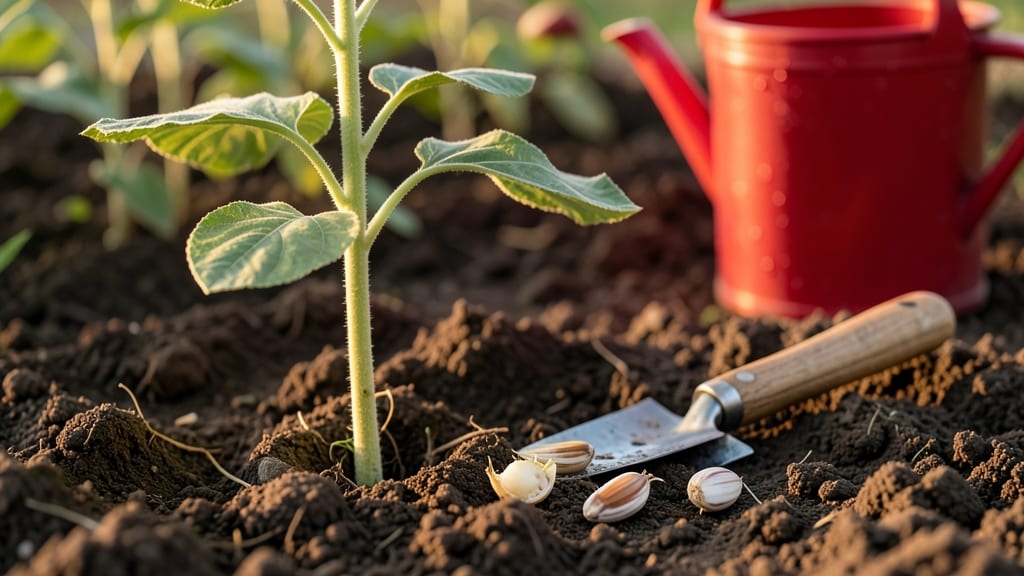
Sunflowers take about 5 to 14 days to sprout, depending on soil warmth and moisture—but most gardeners miss the sweet spot that cuts that time in half.
You’ve planted your 🌻 seeds in April, watered them just right, and now you’re staring at that patch of dirt, willing something to happen. The truth? Soil temperature is the real game-changer here. A few degrees too cool, and you’re waiting weeks instead of days.
Below, I’ll break down the exact germination timeline by temperature—60°F soil vs. 80°F soil—plus the simple tweaks that shave days off your wait. (Spoiler: It’s not just about watering.)
You’ll also learn what to expect after those first sprouts appear—whether your seedlings are on track or if something’s gone wrong—and how to troubleshoot before it’s too late.
Sunflower germination timeline by soil temperature: exact days to sprout
Sunflower seeds are famous for their bold, cheerful blooms, but their journey starts underground—where soil temperature becomes the most critical factor in germination speed. Unlike many plants, sunflowers (Helianthus annuus) are sensitive to cold soil, and waiting too long can lead to rot or delayed growth.
The good news? With the right conditions, you can see those first tiny sprouts in as little as 3-10 days, depending on warmth.
Most gardeners assume sunflowers sprout quickly, but the truth is more nuanced. Germination time varies wildly based on soil temperature—sometimes by a week or more.
For example, seeds planted in 50°F soil might take 14+ days to crack the surface, while 80°F soil can push sprouts up in just 3-5 days. Understanding this timeline helps you plan your planting schedule and troubleshoot slow starters.
To get accurate results, you’ll need to measure soil temperature at seed depth (about 1 inch down). A simple soil thermometer ($10 at garden centers) is your best tool. Check temps in the morning (soil is cooler) and afternoon (warmer) to account for daily swings.
Pro tip: Black plastic mulch can raise soil temps by 5-10°F, speeding up germination in cooler climates.
Here’s the science behind the wait: Sunflower seeds need warmth to activate enzymes that break down stored nutrients. Below 50°F, these enzymes slow to a crawl, while ideal temps (70-85°F) create the perfect environment for rapid growth.
Even a 5°F difference can cut germination time in half—so precision matters!
Sunflower Germination Timeline by Soil Temperature
| Soil Temperature (°F) | Germination Time (Days) | Real-World Expectations | Best For |
|---|---|---|---|
| 50°F (10°C) | 14–21+ days | Slow; risk of rot if soil stays damp | Early spring (after last frost) |
| 60°F (15°C) | 7–14 days | Moderate; sprouts appear unevenly | Cool climates (Zone 4-6) |
| 70°F (21°C) | 5–10 days | Fastest reliable germination | Ideal for most gardeners |
| 80°F+ (27°C+) | 3–7 days | Too hot? Seeds may dry out; keep moist | Greenhouses, late summer |
*Note: Times assume consistent moisture and direct planting (not pre-soaked seeds).
If your soil is below 60°F, consider starting seeds indoors under a heat mat (set to 75°F) to jumpstart germination. A clear plastic dome over seed trays can also trap heat and moisture, mimicking the warmth of summer soil. Just remember to ventilate daily to prevent mold.
Once sprouts emerge, don’t be fooled by their tiny size—they’re already competing for nutrients. Thin seedlings to 6–12 inches apart (depending on variety) within 2 weeks to avoid overcrowding.
Dwarf varieties (1–3 ft tall) can handle closer spacing (4–6 inches), while giant sunflowers (10+ ft) need room to bolt upright.
For container growers, soil warms faster in pots, so expect sprouts 2–3 days earlier than in-ground plantings. Use black fabric pots to absorb sunlight and maintain warmth.
If you’re in Zone 3 or colder, wait until soil reaches at least 60°F—even then, consider row covers to extend the season.
What if your seeds haven’t sprouted in 2 weeks? First, check for moisture (soil should feel like a wrung-out sponge). Next, gently dig up 1–2 seeds to test for rot or mold.
If they’re firm and white, they’re still viable—try replanting deeper (½ inch) or in a warmer spot. Persistent failures might mean old seeds (sunflowers lose
5 Critical factors that speed up or delay sunflower sprouting (beyond temperature)
While soil temperature is the biggest factor in sunflower germination, I’ve learned that five other elements can make or break your sprouting success. Even with perfect warmth, moisture levels, seed depth, and soil type can turn a fast sprouter into a slow one—or worse, a failed batch.
Let’s break down what actually controls when those first green shoots appear.
First, I’ll share the exact timing you can expect under ideal conditions—but only if you nail these five factors. Skipping even one often means waiting weeks longer than necessary. For example, overwatering can drown seeds just as much as underwatering can dry them out. Balance is everything with sunflowers.
- 💧 Moisture: Keep soil consistently damp (not soggy) for 7-10 days post-planting. Too dry = delayed sprouting; too wet = rot.
- 🌱 Seed Depth: Plant 1 inch deep. Deeper = slower sprouts; shallower = uneven germination.
- 🏔️ Soil Type: Loamy soil with organic matter speeds up sprouting. Clay or rocky soil can delay by 3-5 days.
- ☀️ Light Exposure: Seeds need bright light (not direct sun) to germinate. Cover with row fabric if planting in hot climates.
- 💦 Pre-Soaking: Soak seeds for 4-6 hours before planting to cut germination time by 2-3 days.
Let’s start with moisture, because this is where most gardeners go wrong. Sunflower seeds need consistent dampness—not a heavy soak that suffocates them. I use a spray bottle to mist the soil daily until sprouts appear.
A simple trick: press your finger into the soil after watering. If it feels like a wrung-out sponge, you’re golden. If it’s bone-dry, water again immediately.
Next, seed depth matters more than you’d think. Planting too deep forces seedlings to struggle upward, delaying emergence by up to 5 days. My rule of thumb: 1 inch deep is perfect. Use a ruler to check—no guesswork!
For large batches, I mark planting lines with a stick to ensure uniformity. Uneven depths mean uneven sprouting, and that’s frustrating when you’re waiting for those first shoots.
Don’t overlook soil type. Sunflowers thrive in loamy soil with good drainage, but if you’re working with clay or sand, amend it with compost or coconut coir. Last year, my sandy soil made my sunflowers sprout 4 days later than my neighbor’s loamy plots.
The fix? Mix in 3 inches of compost before planting. It’s worth the effort for faster, stronger starts.
Here’s a pro tip: Pre-soaking seeds can shave critical days off your germination timeline. Simply place seeds in a bowl of lukewarm water for 4-6 hours before planting. This mimics natural rainfall and jumpstarts the process.
Just don’t soak them overnight—over-soaking can cause seeds to split or rot. I’ve seen germination drop from 10 days to just 7 with this trick!
Finally, light exposure plays a sneaky role. While sunflowers love full sun, their seeds need bright, indirect light to germinate. If you’re planting in a hot climate, cover seeds with shade cloth until sprouts appear.
Too much direct heat can bake seeds before they even wake up. I’ve had batches fail completely because I ignored this—don’t make the same mistake!