
Blooming
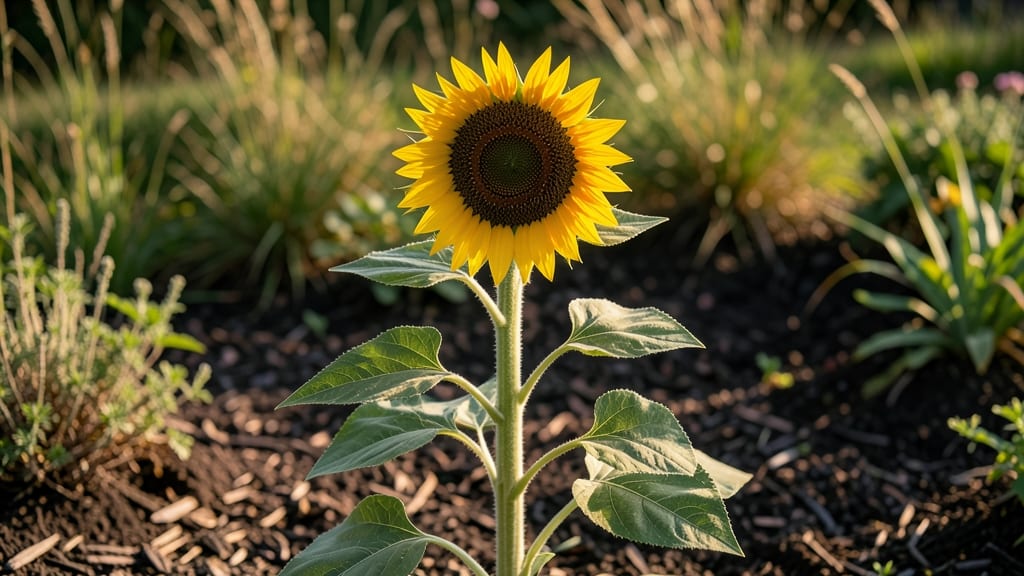
Sunflowers take between 60 and 120 days to flower from seed, but the wait can feel like forever unless you know the fastest varieties and growing tricks.
Picture this: you’ve just tucked those tiny seeds into the soil in April, dreaming of towering 🌻 faces by summer. But by June, your neighbors’ gardens are already bursting with blooms, while yours is still just a patch of green stems. What gives?
The answer lies in choosing the right sunflower type—dwarf varieties like 'Teddy Bear' can bloom in as little as 45 days, while giants like 'Russian Giant' might take closer to 120 days. But even the fastest varieties need the right conditions to hit their timeline.
In this guide, you’ll discover how to shave weeks off your sunflower’s growth, from soil secrets to sunlight hacks, so you can enjoy those golden faces faster than ever before.
Sunflower flowering timeline: fastest varieties & average growth stages
If you're eager to see those golden sunflower blooms brighten your garden, timing is everything. Most sunflowers take 60-120 days to flower from seed, but some fast-growing varieties can bloom in as little as 45 days.
The key lies in choosing the right type—whether it's a dwarf variety for containers or a giant sunflower for dramatic heights—and optimizing growing conditions.
Sunflowers follow a predictable growth timeline: germination (5-14 days), seedling stage (2-3 weeks), vegetative growth (4-8 weeks), and finally flowering. Environmental factors like sunlight exposure, soil fertility, and temperature can accelerate or delay this process.
For example, full sun (6+ hours daily) and warm soil (70°F+) speed up growth, while cool nights or shady spots can stall blooming for weeks.
Not all sunflowers are created equal. Dwarf varieties like 'Teddy Bear' mature faster (50-60 days), while tall giants like 'Mammoth' can take 100+ days. The difference comes down to genetics and energy allocation—dwarf types focus on blooming quickly, while tall varieties prioritize height before flowering.
Below, I’ve compared the top 5 fastest sunflower varieties to help you pick the perfect fit for your garden’s timeline.
The fastest sunflowers like 'Teddy Bear' and 'Moulin Rouge' are perfect if you’re short on time or space. Their compact size and quick blooming make them ideal for container gardening or early-season color.
Meanwhile, medium-height varieties like 'Autumn Beauty' strike a balance between speed and size, offering vibrant blooms in 60-70 days while reaching 4-6 feet tall—great for cut flower arrangements.
For those dreaming of towering sunflowers, varieties like 'Russian Giant' deliver dramatic results but require more patience. These giants take 90-120 days to flower, but their 10-14 foot heights make them unforgettable garden stars.
If you’re growing them for seed production or bird feed, the wait is worth it—but if you’re after quick color, stick to the faster varieties.
Temperature plays a critical role in sunflower growth. Ideal daytime temperatures of 70-85°F and nighttime temps above 55°F encourage rapid growth. Cool springs can delay germination by 3-5 days per week, while heatwaves above 90°F may cause buds to bolt prematurely or fail to open.
To mitigate delays, start seeds indoors 2-3 weeks before your last frost date or use row covers to protect young plants.
Soil quality is another game-changer. Sunflowers thrive in well-draining soil with a pH of 6.0-6.5. Amend heavy or clay soil with compost or sand to improve drainage, and avoid over-fertilizing with nitrogen, which promotes leafy growth at the expense of blooms.
Instead, use a balanced fertilizer (10-10-10) at planting and again when plants reach 1 foot tall to
Pro tips to make sunflowers bloom faster: soil, Water & light hacks
Sunflowers thrive when they get the right conditions, and with a few simple tweaks, you can cut their flowering time by 20-30%. The secret lies in optimizing their environment—starting with soil health, consistent watering habits, and maximizing sunlight exposure.
Even the fastest varieties like 'Teddy Bear' can bloom in as little as 45 days with these pro techniques.
First, focus on soil pH—sunflowers love a slightly acidic to neutral range of 6.0-6.5. Test your soil and amend with compost or lime if needed.
Well-draining soil prevents root stress, which can delay blooming. Pair this with deep watering every 2-3 days during dry spells, ensuring moisture reaches the roots without waterlogging.
Here are 5 science-backed tricks to accelerate blooming:
- 🌱 Top-dress with compost at 4 weeks to boost nutrient uptake and root growth.
- ☀️ Use reflective mulch (like white gravel) in shade gardens to bounce extra light to plants.
- 💧 Water deeply in the morning to reduce fungal risks and encourage strong stems.
- 🌿 Plant with marigolds or basil to deter pests and improve soil health.
- ✂️ Remove lower leaves at 6 weeks to redirect energy to flower production.
Don’t overlook light exposure—sunflowers need 6-8+ hours of direct sunlight daily. If your garden is shady, consider container growing near a south-facing window or use grow lights for 12-14 hours/day. Even partial shade can stretch out the blooming timeline by 2-3 weeks.
For container-grown sunflowers, use large pots (at least 12 inches deep) with well-draining soil. Dwarf varieties like 'Moulin Rouge' bloom faster in containers because they’re less prone to root competition. Just ensure pots are sturdy—sunflowers can topple in windy conditions!
Finally, avoid over-fertilizing with nitrogen, which promotes leafy growth at the expense of flowers. Instead, use a balanced 10-10-10 fertilizer every 4-6 weeks during the growing season. With these tweaks, you’ll enjoy those golden blooms weeks ahead of schedule!