
Size
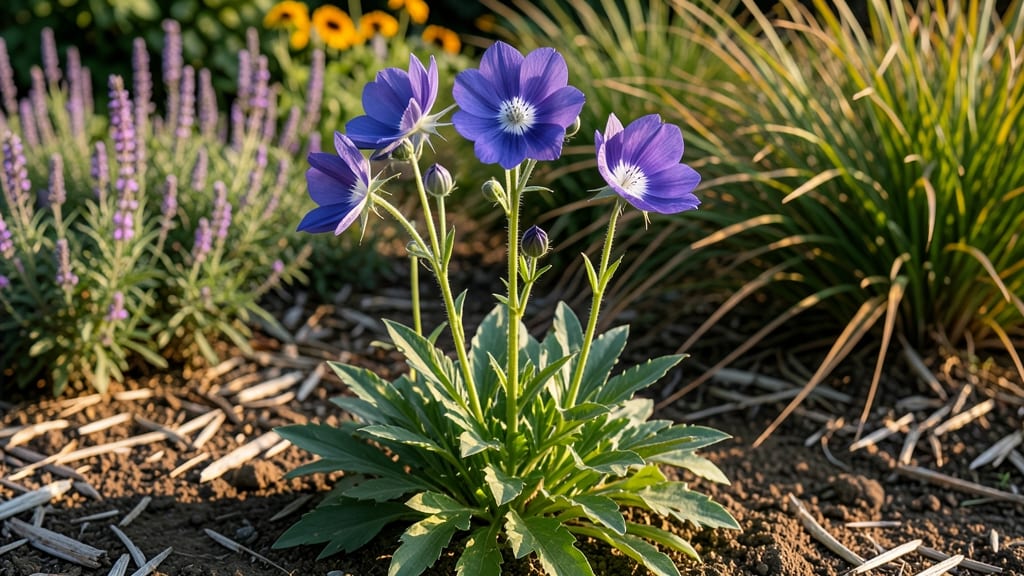
Balloon flowers grow to a mature height of 2 to 3 feet with a spread of about 1 to 2 feet—making them the perfect mid-height statement in any garden bed.
If you’re dreaming of adding striking balloon flowers (Platycodon grandiflorus) to your garden but wondering how much space they’ll need, you’re in the right place. These eye-catching blooms can transform your outdoor space—but their growth habits might surprise you!
Most varieties, like the popular Astra Blue and Hortensia, stay compact in the first year (1 to 2 feet) before reaching their full height in year two. This makes them ideal for border plantings or containers, especially in USDA Zone 6a climates.
Below, I’ll break down how spacing, sunlight, and soil type can influence their size—and how to keep them thriving for years to come. Ready to plan your perfect spot?
Balloon flower height & spread: exact growth dimensions explained
Balloon flowers (Platycodon grandiflorus) are prized for their vibrant blooms and compact growth, but their mature size can vary dramatically depending on the cultivar and growing conditions.
Most varieties reach 18–36 inches tall with a 12–24 inch spread, making them perfect for borders, containers, or cottage gardens. Understanding these dimensions helps you plan your garden layout to maximize their visual impact.
The growth rate of balloon flowers is moderate, with most cultivars taking 60–90 days to reach full maturity from seed. Established plants may grow 6–12 inches per season, though their final height is influenced by sunlight, soil fertility, and pruning habits.
For example, 'Hortensia' tends to be taller and bushier than 'Sentimental Blue', which stays more compact.
Here’s a quick reference for the most popular balloon flower cultivars and their typical mature dimensions:
| Cultivar | Mature Height | Spread | Growth Rate | Best For |
|---|---|---|---|---|
| 'Sentimental Blue' | 18–24" | 12–18" | Moderate | Containers, borders |
| 'Astra Blue' | 24–30" | 18–24" | Fast | Back of borders |
| 'Hortensia' | 30–36" | 24–30" | Slow to moderate | Cut flowers, tall beds |
| 'White Dream' | 20–28" | 16–20" | Moderate | Cutting gardens |
| 'Marine' | 24–32" | 18–24" | Fast | Full sun gardens |
Seasonal changes also affect balloon flower size. In spring and summer, these plants focus energy on leaf and stem growth, while fall triggers flowering.
If you prune back spent blooms in late summer, you may encourage a second flush of flowers and slightly reduce overall height by 6–12 inches.
Environmental factors play a huge role in determining how big your balloon flowers will get. Full sun (6+ hours daily) promotes taller, bushier growth, while partial shade keeps plants shorter and more compact.
For example, 'Astra Blue' in full sun might reach 30 inches tall, but in partial shade, it could stay under 24 inches. Rich, well-draining soil with added compost also boosts vigor, while poor soil can stunt growth by 30–50%.
If you’re growing balloon flowers in containers, their height and spread will naturally be 20–30% smaller than in garden beds due to restricted root space. Choose 10–12 inch pots for dwarf varieties like 'Sentimental Blue' and 14–16 inch pots for taller types like 'Hortensia'.
Container-grown plants also benefit from regular deadheading to prevent legginess.
One common misconception is that balloon flowers are low-maintenance shrubs. While they are perennial in USDA zones 3–8, their size can fluctuate yearly. After 3–4 years, growth may slow, and plants might need division or renewal to rejuvenate.
If you notice stunted growth or fewer blooms, it could signal overcrowding, nutrient deficiency, or poor drainage.
Balloon flowers (Platycodon grandiflorus) thrive when given the right amount of space to spread their roots and foliage. Proper spacing isn’t just about aesthetics—it directly impacts flower production, air circulation, and disease prevention. Crowding leads to competition for nutrients, weaker stems, and fewer blooms. Let’s dive into the science-backed spacing guidelines to ensure your plants reach their full potential. Most balloon flower varieties mature between 18–24 inches tall and spread 12–18 inches wide. However, their spacing needs vary based on light conditions. In full sun, plants grow more vigorously and need slightly more room—18 inches apart—to prevent overcrowding. In partial shade, where growth is slower, 12–14 inches apart works well. This adjustment ensures each plant gets enough sunlight and nutrients. Here’s a quick breakdown of spacing rules based on your garden conditions: One common mistake gardeners make is planting balloon flowers too closely together, especially in container gardens. In pots, limit to 1–2 plants per 12-inch container to avoid root competition. Overcrowding in containers leads to stunted growth and poor flowering. If you’re using them as border plants, space them 14–16 inches apart for a neat, uniform look. Another critical factor is air circulation. Balloon flowers are susceptible to powdery mildew in humid conditions. Proper spacing—especially in partial shade—helps air flow freely, reducing moisture buildup on leaves. If you notice yellowing leaves or white powdery spots, increase spacing immediately and consider pruning nearby plants to improve airflow. For long-term garden planning, think about how balloon flowers will interact with neighboring plants. Pair them with low-growing perennials like ajugas or grasses to fill gaps without competing for space. Avoid planting them near aggressive spreaders like mint or creeping thyme, which can overwhelm their growth. With the right spacing, your balloon flowers will reward you with bold blooms from early summer to fall.Proper spacing for balloon flowers: avoid crowding & maximize blooms
Balloon Flower Spacing Guide