
Flowers
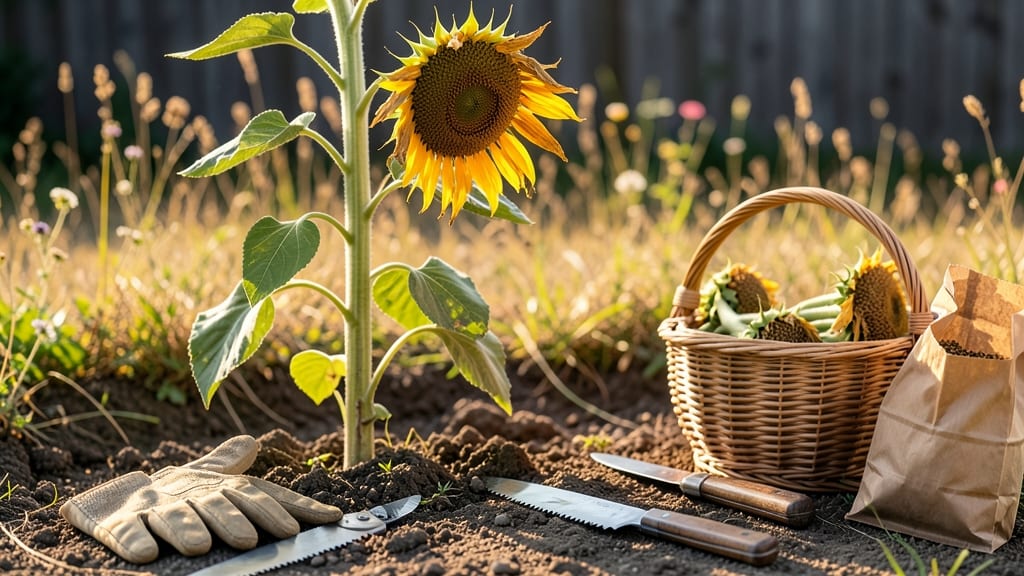
Sunflowers are harvested by cutting the stem cleanly when the back of the head turns brown and the seeds rattle inside 🌻 — a window that lasts just a few days before the birds get there first.
You might think all you need is a pair of shears and a sunny day, but timing is everything. Cut too early, and you end up with damp seeds that won’t store. Wait too long, and the birds or wind will take your harvest before you even notice.
The difference between a perfect seed crop and a wasted season often comes down to knowing exactly when to act.
This guide breaks down the key signs of ripeness, the best tools for the job, and how to handle your harvest once it’s in hand. Whether you’re growing sunflowers for their stunning blooms or their nutritious seeds, mastering the harvest is the secret to maximizing your yield.
From testing stem strength to drying techniques that preserve viability, you’ll learn the proven methods that keep your sunflowers at their best—no guesswork required.
The perfect harvest timing: when to cut sunflowers for maximum seed quality
Harvesting sunflowers at the right moment ensures high-quality seeds and prevents wasted effort. The ideal time depends on whether you're harvesting for cut flowers or seed production. For seeds, wait until the back of the flower head turns yellow-brown and the seeds feel firm inside.
Cutting too early means immature seeds, while waiting too long risks seed loss from scattering.
Weather plays a crucial role in harvest timing. Dry, sunny days are best for cutting to prevent mold growth. If rain is forecasted, harvest earlier to avoid damp conditions that can spoil seeds.
In humid climates, like the Southeast, aim for slightly earlier harvests compared to drier regions like the Southwest.
Here’s how to identify the perfect harvest window using simple visual cues:
| Harvest Stage | Visual Cues | Seed Condition | Regional Adjustments |
|---|---|---|---|
| Early Maturity | Petals still vibrant; back of head green | Seeds soft, not viable | Avoid harvest; wait 2-4 weeks |
| Ideal Harvest | Petals dry and brown; back of head yellow-brown | Seeds firm, rattle when shaken | Harvest in dry weather; Southeast: 1-2 weeks earlier |
| Overripe | Petals fallen; head fully brown and brittle | Seeds scattered or moldy | Harvest only for emergency use |
The stem strength test is another key indicator. Gently squeeze the stem near the base—it should feel firm but not woody. If it snaps easily, the plant is overripe.
For tall varieties (8+ feet), use a pruning saw to avoid damaging the stem, while dwarf varieties can be cut with sharp hand pruners.
Regional variations matter. In USDA Zone 5, harvest typically occurs in late August to September, while in Zone 9 or 10, the window extends into October or November. Coastal areas with higher humidity may require harvesting 1-2 weeks earlier to prevent fungal issues.
For seed-saving purposes, let a few heads mature fully on the stalk to ensure maximum seed viability. Once harvested, dry the heads in a well-ventilated area for 1-2 weeks before removing seeds. This step is critical for preserving germination rates and preventing spoilage.
If you’re harvesting for cut flowers, aim for when the flower is fully open but before the petals start drying. This ensures longevity in bouquets. For seed production, prioritize the yellow-brown back-of-head stage and act quickly to avoid seed loss.
Pro tip: Harvest in the morning when stems are hydrated. This reduces stress on the plant and improves post-harvest longevity. Store harvested sunflowers in a cool, dry place away from direct sunlight to maintain quality.
By mastering these harvest timing cues, you’ll enjoy plump seeds and vibrant flowers while minimizing waste. Whether you're a backyard gardener or a large-scale grower, precision in harvest timing makes all the difference. 🌻
Step-by-step sunflower harvesting techniques to preserve stem integrity
Harvesting sunflowers at the right time ensures high-quality seeds and structural integrity for storage. The key lies in proper cutting techniques and gentle handling to avoid seed loss. Whether you're harvesting for seed saving or flower arrangements, these methods will help you maximize your yield.
Start by selecting fully mature heads where the back of the petals turns yellow and dries out. The seed heads should feel dry and papery, and seeds should rattle when shaken gently. Using the wrong tools or incorrect cutting angles can damage the stem integrity and reduce seed viability.
If you wait until the seed heads split open or seeds scatter, you risk losing up to 50% of your yield. Overripe sunflowers also produce lower-quality seeds with poor germination rates. Harvest when 80-90% of seeds are mature but before the seed pods open naturally.
Use a sharp pruning shear or clean garden knife to cut the stem 2-3 inches below the head. This length preserves the stem integrity and prevents seed loss during drying.
Always cut at a 45-degree angle to allow for better water absorption if you plan to store the heads for later use.
After cutting, remove excess leaves but leave the lower stem intact to support the head during drying. Hang the sunflower heads upside down in a well-ventilated area with indirect sunlight and moderate humidity. This method ensures even drying and prevents mold growth, which can ruin your seeds.
Once the seed heads are completely dry (usually 1-2 weeks depending on humidity), gently rub the dried heads over a clean tarp or bucket to release the seeds. Store the seeds in a cool, dry place in an airtight container to maintain seed viability for up to 2 years.
For flower arrangements, harvest when the flower petals are fully open but before they turn brown. Cut the stem at an angle and place them immediately in cool water to extend their vase life. Avoid harvesting in direct sunlight or during hot afternoons to prevent wilting.
By following these step-by-step techniques, you’ll preserve the stem integrity and seed quality of your sunflowers, ensuring a successful harvest every time. 🌻