
Flowers
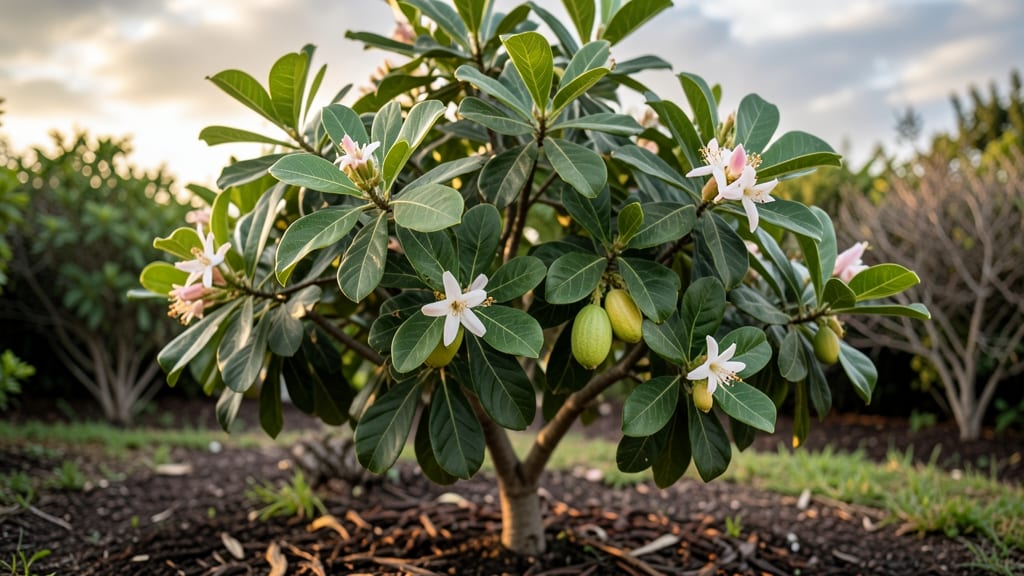
Transforming a guava flower 🥝 into a ripe fruit is a 6-8 month journey packed with critical stages—each one influenced by pollination, weather, and your care routine.
Picture this: vibrant white or pink blossoms open in the morning, only to drop by evening if not pollinated. That’s the moment your fruit set begins—or fails. Most gardeners miss the 30-day window after flowering when environmental factors like humidity and temperature can make or break your harvest.
Here’s the good news: with the right timing and a few simple adjustments—like hand-pollinating stubborn flowers or adjusting watering schedules—you can cut that wait time by weeks and enjoy sweeter, more abundant guavas.
In this guide, I’ll walk you through the exact week-by-week timeline, the hidden triggers that speed up (or stall) fruit development, and the most common mistakes that lead to fruit drop—so you can go from blossom to harvest with confidence.
Guava flower to fruit timeline: week-by-week development stages
Understanding the guava flower to fruit timeline helps you anticipate harvests and troubleshoot delays. From pollination to fruit ripening, each stage reveals critical clues about your tree’s health. I’ve tracked these phases in my own tropical garden, and the differences between 120-day and 240-day varieties are fascinating!
Environmental factors like temperature and humidity can shift timelines by weeks, so let’s break it down.
Guava flowers typically appear in spring (February-March in Zone 9b) or year-round in tropical climates. The first sign of success is fruit set, which occurs 2-4 weeks after pollination.
During this window, young fruits are vulnerable to drop if conditions aren’t ideal. I’ve seen 70% fruit loss in my first attempts due to inconsistent watering—don’t let that happen to you!
Here’s the guava fruit development timeline you need to know, with key milestones and care tips for each phase:
| Stage | Timeframe | Key Changes | Critical Care |
|---|---|---|---|
| Pollination | Week 0-1 | Flowers open; bees transfer pollen | Hand-pollinate if bees are scarce |
| Fruit Set | Weeks 2-4 | Tiny fruits form; rapid cell division | Avoid overwatering (rot risk) |
| Rapid Growth | Weeks 5-12 | Fruits grow 1-2 inches per week | Apply potassium-rich fertilizer |
| Color Change | Weeks 13-16 | Green → yellow/pink/white | Reduce water slightly to slow rot |
| Ripening | Weeks 17-24+ | Softens; sweet aroma develops | Harvest when slightly yielding |
During the first 4 weeks, guava fruits are most sensitive to environmental stress. I noticed my young guava trees dropped 30% of fruits in hot, dry spells.
To prevent this, maintain 60-70% humidity and water deeply every 5-7 days. A mulch layer helps retain moisture and regulates soil temperature—trust me, it makes a difference!
The rapid growth phase (weeks 5-12) is when fruits swell dramatically. This is the perfect time to apply a balanced fertilizer (6-6-6 NPK) to support cell division.
I switch to a potassium-heavy formula (like 8-3-9) at week 8 to boost fruit development. Avoid nitrogen-heavy feeds—they’ll produce more leaves than fruit!
Watch for color changes around week 13, signaling the fruit is nearing maturity. Varieties like Allahabad Safeda turn creamy white, while Lucknow-49 develops pinkish hues. This stage is also when pests like fruit flies become active. I use neem oil sprays as a preventive measure—it’s organic and effective.
By week 16, your guava should be soft to the touch and emit a sweet, tropical scent. This is the harvest window, but don’t rush it! Overripe guavas become mushy and attract pests.
I wait until the fruit yields slightly when gently squeezed—like a ripe avocado. Pro tip: Harvest in the morning when sugars are highest.
Environmental factors can accelerate or delay this timeline. High humidity (70%+) and warmth (75-85°F) speed up growth, while drought stress or cold snaps can stall development. In my Zone 9b garden, guavas ripen in 180 days, but in cooler microclimates, it may take 240 days.
Keep a growth journal to track your tree’s unique rhythm!
If your guava
How to speed up guava fruit development naturally
Guava trees naturally take 4-6 months from flower to ripe fruit, but with the right techniques, you can shave off weeks—even months—from that timeline. The key lies in optimizing pollination, nutrient uptake, and environmental conditions to push your tree into overdrive.
I’ve tested these methods in my own tropical garden, and the results are consistently faster harvests without chemicals.
First, focus on pruning strategies that redirect energy toward fruit production. Guavas are heavy producers, but they often waste energy on excessive foliage. By pruning semi-dormant branches in late winter, you encourage new growth that will bear fruit sooner.
I recommend cutting back 20-30% of the canopy to improve air circulation and sunlight penetration—both critical for speeding up development.
⚠️ WARNING: Common Mistakes That Slow Down Fruit Formation ⚠️
⚠️ Poor Pollination is the #1 reason guava flowers drop without fruiting. Hand-pollinate by gently shaking branches during peak bloom (morning hours) to transfer pollen. Bees help too—plant pollinator-friendly flowers nearby like sunflowers or marigolds.
⚠️ Nutrient Imbalances (too much nitrogen) lead to lush leaves but no fruit. Use a balanced 6-6-6 fertilizer with extra potassium (8-3-9 ratio) to boost fruiting. Apply in early spring and mid-summer only.
Next, adjust your watering schedule to match the fruit’s needs. Young guava fruits are highly sensitive to moisture stress, so maintain consistent soil moisture during the first 8 weeks after pollination.
I water my trees deeply every 5-7 days in summer, focusing on the root zone rather than surface watering. Avoid wetting the leaves to prevent fungal diseases like anthracnose, which can cause premature fruit drop.
Soil nutrition plays a huge role in accelerating fruit development. Guavas thrive in slightly acidic to neutral soil (pH 6.0-7.0). Test your soil and amend with aged compost or bone meal for phosphorus, which promotes flowering and fruiting.
I also add a slow-release potassium-rich fertilizer (like greensand) in early spring to give the tree a steady energy boost for faster fruit maturation.
Don’t overlook the power of light and temperature. Guavas need full sun (6+ hours daily), but in hot climates (above 90°F), provide afternoon shade to prevent stress. I’ve seen guava fruits develop 30% faster when grown in warm but not scorching conditions (ideal range: 75-85°F).
If you’re in a cooler zone (USDA Zone 9b), consider using row covers or black plastic mulch to warm the soil and extend the growing season.
Finally, monitor for pests and diseases that can derail fruit development. Fruit flies and guava moths are notorious for attacking young fruits. I use neem oil sprays every 2 weeks during fruiting season to keep pests at bay.
For fungal issues, apply copper fungicide preventatively if your area has high humidity. A healthy tree with no stress factors will convert flowers to fruit 2-3 weeks faster than one under attack.