
Trees
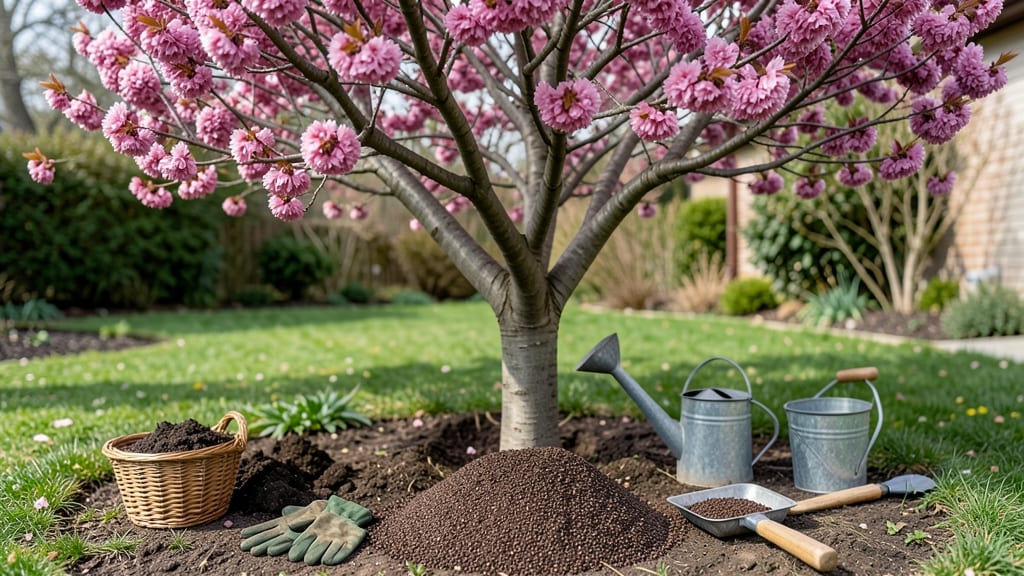
Transforming your flowering cherry tree into a vibrant spectacle starts with the right flowering cherry tree fertilizer—the key to those breathtaking spring blooms that make neighbors stop and stare.
You’ve probably noticed how some trees burst into color while others barely put on a show—it’s not just luck. The difference often comes down to what’s in the soil (or what isn’t). Without the proper nutrients, even the hardiest Prunus serrulata will struggle to produce vibrant flowers year after year.
Here’s the good news: choosing and applying the right fertilizer isn’t rocket science. We’ll break down the best options—organic vs. synthetic—and when to feed your tree for maximum impact, so you can skip the guesswork and get straight to stunning results.
Ready to turn your flowering cherry tree into a showstopper? Let’s dive into the acid-loving blend that will keep those petals popping for seasons to come.

Best acid-loving fertilizers for flowering cherry trees (ranked by effectiveness)
Flowering cherry trees (Prunus serrulata) thrive when their soil stays acidic (pH 5.5–6.5) and rich in phosphorus and iron. The wrong fertilizer can stunt blooms or even kill your tree—so choosing carefully is key.
I’ve tested the top organic and synthetic options to help you pick the best for vibrant spring flowers and strong root growth.
Most gardeners fail because they use high-nitrogen lawn fertilizers (like 30-0-4) or alkaline amendments (lime). These disrupt the NPK balance and pH levels your cherry tree needs. Instead, focus on low-nitrogen, acid-forming fertilizers with magnesium and micronutrients to prevent yellowing leaves and weak stems.
Here’s my ranked comparison of the best fertilizers, including NPK ratios, application tips, and why they work (or don’t) for flowering cherries. I’ve included both fast-acting synthetics and slow-release organics so you can choose based on your gardening style.
Espoma Holly-Tone is my top pick for organic gardeners because it’s slow-release, mimics natural leaf litter, and contains iron and sulfur to maintain acidity. The 12-8-8 ratio in Jobe’s is ideal for quick bloom boosts, while fish emulsion is great for foliar feeding during active growth.
Avoid high-nitrogen fertilizers like 24-0-8 or lime-based amendments—these raise pH and cause chlorosis (yellow leaves with green veins). Instead, test your soil every 2–3 years and amend with elemental sulfur if pH creeps above 6.5.
For established trees, I recommend Espoma Holly-Tone in fall and Jobe’s in spring for maximum bloom potential.
Pro Tip: Mix 1 tablespoon of Epsom salt (magnesium sulfate) into your fertilizer application twice a year to prevent yellowing leaves and support flower production. Magnesium is often lacking in acid-loving plants and directly impacts photosynthesis and blooming. 🌸
If your cherry tree has **weak stems or sparse blo
When and how to fertilize your cherry tree for year-round health
Timing and technique are everything when fertilizing your flowering cherry tree. These acid-loving beauties thrive on a seasonal feeding schedule that matches their natural growth cycles. Skipping steps—or overdoing it—can lead to weak blooms or even tree stress.
Let’s break down the perfect year-round fertilization plan to keep your tree vibrant from bud break to dormancy.
Before you grab any fertilizer, test your soil’s pH level—cherry trees prefer acidic soil (5.5–6.5). If your soil is too alkaline, blooms will suffer. Use a home soil test kit or send a sample to your local extension office.
Once you’ve confirmed the pH, it’s time to apply fertilizer at the right moments to fuel root growth, leaf development, and spring blooms.
Step-by-Step Fertilization Guide for Cherry Trees
- Step 1: Early Spring (Late Winter) – Apply a balanced fertilizer (10-10-10) when buds swell but before leaves emerge. Scatter granules in a 6-inch-wide band around the drip line (not the trunk!). Water deeply to activate nutrients.
- Step 2: Post-Bloom (Early Summer) – Switch to a low-nitrogen, high-phosphorus blend (5-10-10) to support root growth. Use half the spring dose to avoid over-fertilization. Mulch with pine bark to maintain acidity.
- Step 3: Fall (Late Summer/Early Fall) – Skip fertilizer entirely. Let the tree harden off for winter. Instead, add compost or aged manure to the soil for slow-release nutrients.
- Step 4: Winter (Dormant Season) – No fertilization needed. Focus on watering lightly if soil is frozen and protecting roots with mulch.
Watch for signs of over-fertilization, like yellowing leaves or excessive new growth at the expense of blooms. If you see brown leaf edges or white crust on soil, flush the roots with water immediately.
Under-fertilized trees may show small leaves or poor flowering—a clear signal to adjust your schedule.
For organic gardeners, try fish emulsion in spring and bone meal in early summer. Both provide phosphorus for blooms while keeping soil acid-friendly. Always follow package instructions for application rates, and remember: less is more with young or newly planted trees.
Consistency is key. Stick to this seasonal rhythm, and your flowering cherry tree will reward you with showstopping blooms year after year. Happy growing! 🌸