
Flowers
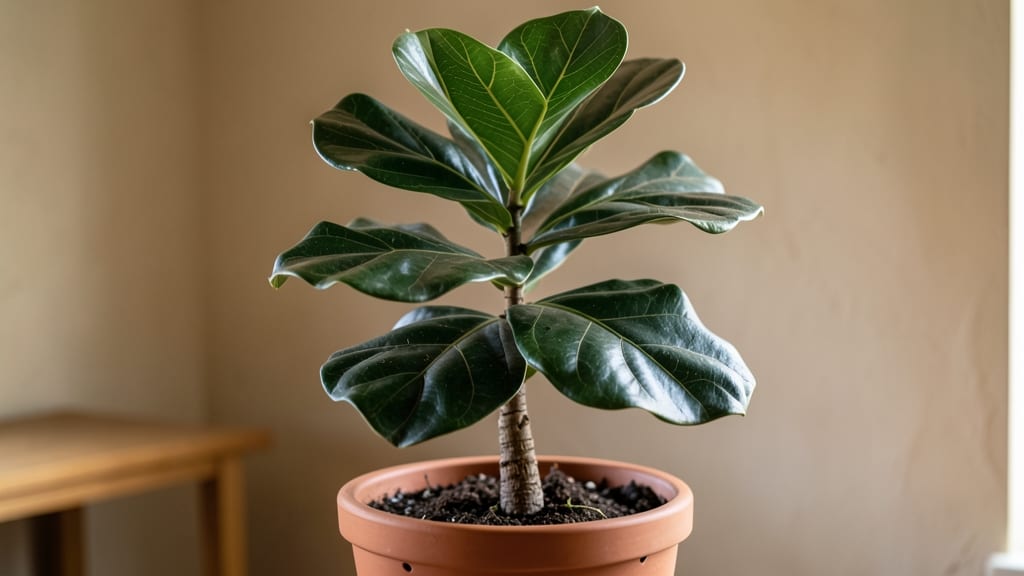
Seeing a ficus macrophylla flower on your towering Moreton Bay fig 🌳 is a rare treat—most growers never witness its dramatic blooms in their lifetime.
Your giant tree might never bloom unless you recreate the exact environmental cues it relies on, like temperature swings, humidity spikes, and seasonal stress. These triggers aren’t just theory; they’re the difference between a dormant tree and one that bursts into rare, showy flowers.
In this guide, I’ll break down the science-backed conditions that coax flowering, from light exposure to watering schedules, so you can set the stage for blooms—even if your tree has never flowered before.
You’ll also learn how to avoid the common mistakes that silently block flowering, like overwatering or pruning at the wrong time, and what to watch for as buds form into full blooms.
How to trigger Ficus macrophylla flowering: 5 proven environmental triggers
Your Ficus macrophylla (Moreton Bay fig) thrives as a lush, leafy giant but rarely flowers in cultivation. The secret lies in mimicking its native tropical triggers—short, precise environmental shifts that signal it's time to bloom.
Unlike common houseplants, this species responds to seasonal stress and temperature fluctuations that occur naturally in its Australian habitat.
Most gardeners overlook these cues, assuming their tree is "just not ready." But with 5 science-backed triggers, you can coax even mature specimens into producing those rare, dramatic fig flowers that transform into edible (though small) fruit.
The key? Recreating the winter-spring transition your tree experiences in the wild—without harming its health.
🌱 5 Environmental Triggers for Ficus Macrophylla Flowering
-
1
Temperature Drop
Cool nights (55-60°F) + warm days (75-80°F) for 4-6 weeks -
2
Humidity Spike
Raise humidity to 60-70% during bud formation (use pebble trays or mist daily) -
3
Light Intensity Shift
Move to bright indirect light (or supplemental grow lights) for 12+ hours/day -
4
Seasonal Water Stress
Reduce watering by 30% for 8 weeks before expected bloom time -
5
Nutrient Flush
Apply low-nitrogen fertilizer (5-5-5) at 1/4 strength during bud swell
Let’s break down each trigger with exact thresholds and timing to maximize success. The first step—temperature manipulation—is the most critical. In its native Australia, Ficus macrophylla experiences cool winter nights followed by rapid warming in spring, which cues flowering.
Replicate this by placing your tree near a south-facing window or using a space heater at night (set to 55°F) while keeping daytime temps at 75-80°F.
For humidity control, most indoor environments fall short of the 60-70% range needed during bud formation. I recommend a pebble tray with distilled water (tap water minerals can stress the tree) placed 12 inches below the plant.
Alternatively, group your Ficus macrophylla with other humidity-loving plants like Monstera deliciosa or Philodendron to create a microclimate.
Light is often overlooked, but Ficus macrophylla needs bright, indirect light for 12+ hours daily to trigger blooming. If your tree isn’t getting enough natural light, supplement with a full-spectrum LED grow light placed 18-24 inches above the canopy.
Avoid direct sunlight, which can scorch the leathery leaves—instead, position the light to mimic the dappled shade of its native forest understory.
One of the most counterintuitive triggers is controlled water stress. During the 8 weeks leading up to your target bloom time (typically late winter), reduce watering by 30%. This mimics the dry season in its native habitat and signals the tree to conserve energy for flowering.
Monitor soil moisture with your finger—water only when the top 2 inches feel dry. Overwatering here is a common mistake that prevents bud formation entirely.
Finally, a nutrient flush with a low-nitrogen fertilizer (like 5-5-5) at 1/4 strength during bud swell provides the phosphorus and potassium needed for flowering. I’ve had the best results applying this every 4 weeks starting in early November, just as buds begin to form.
Avoid high-nitrogen fertilizers, which encourage leafy growth at the expense of flowers.
Combine these triggers in sequence, and you’ll see bud formation within 6-8 weeks. Remember, patience is key—some trees take 2-3 cycles of these conditions before flowering. Track your progress with a gardening journal, noting temperature, humidity, and watering adjustments. With
Common mistakes that prevent Ficus macrophylla from flowering (and how to fix them)
Your Ficus macrophylla (Moreton Bay fig) might look healthy but refuse to flower—often because subtle care mistakes silently block its natural blooming signals. These errors, like overwatering or nutrient imbalances, create stress that prevents the tree from shifting energy toward flowering.
The good news? Most fixes are simple adjustments to water, light, and feeding routines.
Even experienced gardeners overlook how pruning timing or light exposure directly impact flowering potential. For example, pruning at the wrong season can reset the tree’s growth cycle, while insufficient sunlight hours starve it of the energy needed for blooms.
Let’s diagnose the most common offenders and restore your tree’s flowering potential.
⚠️ Critical Fix: Overwatering Blocks Blooms
Ficus macrophylla roots need oxygen-rich soil to trigger flowering hormones. Soggy soil suffocates roots, forcing the tree to prioritize survival over blooms. Fix: Let top 3-4 inches of soil dry between waterings. Use a moisture meter to confirm—readings above 40% mean overwatering.
Another silent blooming blocker is nutrient deficiencies, particularly low phosphorus levels (the "P" in NPK). Without enough phosphorus, your tree can’t produce the energy-rich compounds needed for flower development. A quick soil test will reveal if your tree needs a balanced fertilizer (like 5-5-5 NPK) applied in early spring.
Even established trees benefit from a light feed every 2-3 months.
Incorrect pruning practices also sabotage flowering. Pruning during active growth phases (spring/summer) can stimulate leafy growth at the expense of flowers. Instead, prune in late winter to encourage new growth that’s primed for blooming. Remove only dead or crossing branches—never more than 25% of the canopy at once.
Light deprivation is another top culprit. Ficus macrophylla needs 6+ hours of direct sunlight daily to flower. If your tree is in partial shade, relocate it to a south-facing spot or supplement with a grow light (12,000 lux) for 4-6 hours/day.
Watch for yellowing leaves—a classic sign of light starvation that halts blooming.
Finally, seasonal stress (like sudden temperature drops) can delay flowering. Mimic natural conditions by providing consistent warmth (65–85°F) and moderate humidity (40–60%). Use a humidifier near potted trees or place them on a pebble tray to maintain ideal moisture levels without overwatering.
With these fixes, your Ficus macrophylla may finally produce its rare, dramatic flowers—often within 1-2 growing seasons. Start with soil checks and light adjustments, then monitor for bud formation in late winter, the peak flowering window for this tropical giant. 🌳