
Blooming
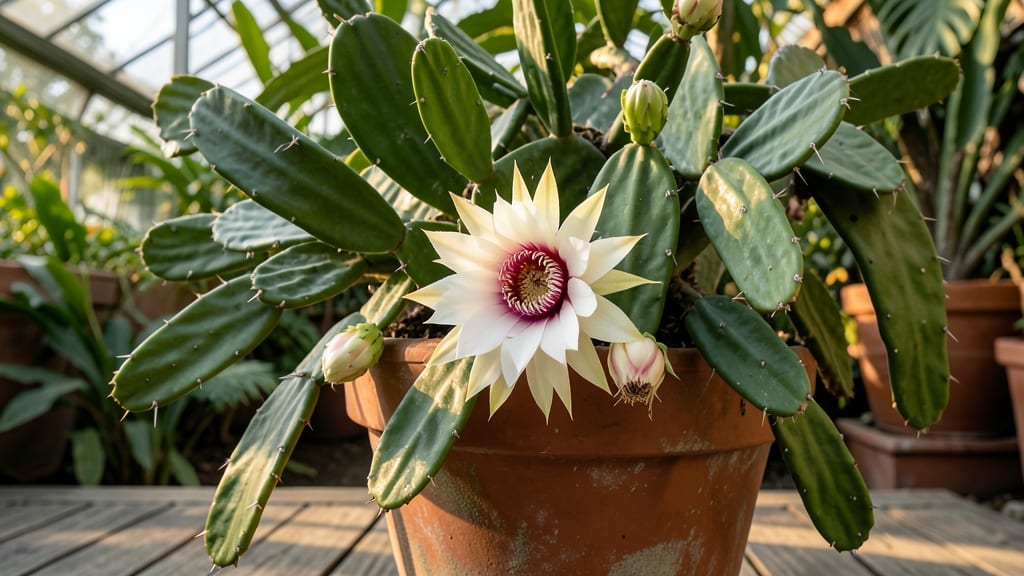
Understanding the dragon fruit flowering stages is the key to unlocking sweet, vibrant fruit from your plant 🐉 — and skipping straight to the troubleshooting when something goes wrong.
Picture this: your dragon fruit vine has been climbing steadily for a year, but now you’re staring at buds that refuse to open. Or worse, the flowers appear but vanish without a trace.
These moments aren’t just frustrating—they’re clues. Each stage of flowering tells a story about your plant’s health, from the first hint of a bud to the moment fruit begins to swell.
In this guide, I’ll walk you through the exact visual cues to watch for, the ideal conditions to set your plant up for success, and the small adjustments that can turn a failed bloom into a bounty.
Whether you’re dealing with drooping buds or wondering why your flowers aren’t setting fruit, you’ll learn how to spot the problem early—and fix it before it’s too late.
By the end, you’ll know not just what to expect at each stage, but how to encourage healthy growth, troubleshoot common issues, and even hand-pollinate for maximum yield. Let’s get your dragon fruit vine thriving.
Dragon fruit flowering stages explained: from bud to fruit development
Understanding your dragon fruit plant's flowering stages is key to maximizing fruit production. Each phase reveals critical clues about your plant's health and environmental needs. From the first bud formation to the final fruit development, timing and conditions make all the difference.
Let's explore what to expect at each stage and how to support your plant through the process.
Dragon fruit plants typically take 18-36 months from planting to first harvest, with flowering usually occurring in the second year. The process involves four distinct stages: pre-bloom, flowering, pollination, and fruit set.
Each stage has unique visual cues and environmental requirements that determine success. Recognizing these signs helps you intervene when needed to ensure healthy blooms and fruit.
| Stage | Duration | Visual Cues | Key Conditions |
|---|---|---|---|
| Pre-Bloom | 4-8 weeks | Small green buds (1-2 inches), rapid vine growth, leaf thickening | 6+ hours sunlight, 70-85°F, balanced fertilizer (NPK 7-9-5) |
| Flowering | 3-5 days per bloom | Large white/pink flowers (6-8 inches), sweet fragrance, night-blooming | 75-85°F, 50-70% humidity, no strong winds |
| Pollination | 1-2 days | Flowers wilt slightly, pollen transfer visible, stigma turns yellow | Mild temperatures, gentle breezes, hand-pollination if needed |
| Fruit Set | 6-8 weeks | Small green fruit (1-2 inches), rapid expansion, skin color shift | Consistent moisture, 70-80°F, potassium-rich fertilizer |
The pre-bloom stage begins when your dragon fruit plant starts producing small green buds along its vines. This phase typically lasts 4-8 weeks and signals that your plant is ready to flower. During this time, you'll notice rapid vine growth and thickening leaves.
To support this stage, ensure your plant receives 6+ hours of direct sunlight and maintain temperatures between 70-85°F. Apply a balanced fertilizer with an NPK ratio of 7-9-5 to encourage strong bud development.
Once buds mature into flowers, you've entered the flowering stage, which lasts 3-5 days per bloom. Dragon fruit flowers are stunning, with large white or pink blooms that open at night and close by morning. They emit a sweet fragrance that attracts natural pollinators like moths.
The ideal conditions for this stage include 75-85°F temperatures and 50-70% humidity. Avoid strong winds, as they can damage delicate flowers. If you're in an area with limited pollinators, you may need to hand-pollinate using a small brush.
During the pollination stage, which lasts 1-2 days, you'll observe the magic of reproduction. Flowers begin to wilt slightly as pollen transfers from the male to the female parts. The stigma, located at the base of the flower, will turn yellow when successfully pollinated.
This stage is highly sensitive to environmental conditions. Mild temperatures and gentle breezes create the perfect setting for natural pollination. If you notice flowers aren't setting fruit, consider hand-pollination to ensure successful fertilization.
The final stage is fruit set, where the real magic happens over 6-8 weeks. After pollination, small green fruits begin to form and rapidly expand. You'll notice the skin changing color from green to pink, yellow, or red, depending on the variety.
This stage requires consistent moisture and 70-80°F temperatures. To support healthy fruit development, switch to a potassium-rich fertilizer to strengthen the plant's ability to nourish the growing fruit. Monitor for pests and diseases, as developing fruits are particularly vulnerable.
Environmental factors play a crucial role in determining how long each stage lasts. Temperature fluctuations, humidity levels, and light exposure can all impact your dragon fruit's flowering timeline. For example, temperatures below 65°F or above 90°F can stunt flower development.
Similarly, low humidity may cause buds to drop before opening. By maintaining optimal conditions, you can encourage your plant to progress smoothly through each stage and maximize fruit production.
One common challenge gardeners face is failed flowering. If your dragon fruit plant isn't producing flowers after two years, it may be due to insufficient sunlight, improper fertilization, or stress from environmental factors.
To troubleshoot, first ensure your plant receives full sun exposure and adjust your fertilizer regimen to include more phosphorus. Additionally, check for signs of stress like yellowing leaves or stunted growth, which may indicate underlying issues that need to be addressed before flowering can occur.
For those growing dragon fruit in cooler climates, extending the growing season indoors can help ensure successful flowering. Use grow lights to supplement natural light during winter months and maintain consistent temperatures.
In USDA Zones 9b and below, provide winter protection by moving potted plants indoors or using frost cloths to shield outdoor plants. These adjustments can significantly improve your chances of seeing those beautiful blooms and eventually harvesting sweet dragon fruit.
As you observe your dragon fruit plant progressing through these stages, pay close attention to the visual cues and environmental conditions. Each phase offers valuable insights into your plant's health and helps you make informed decisions about care.
With patience and the right conditions, you'll be rewarded with an abundance of vibrant dragon fruit ready for harvest in just a few months. Happy growing! 🌱🐉
How to identify healthy vs. unhealthy flowering in dragon fruit plants
Dragon fruit plants reveal their health through their blooms—healthy flowers mean vibrant pink or white petals that open fully, while struggling ones show yellowing edges or premature wilting. The first clue is flower size: healthy blooms reach 3-4 inches wide and emit a faint, sweet scent, signaling readiness for pollination.
But watch for drooping buds or flowers that fall off before opening—these are red flags your plant is stressed.
Color is your best indicator: bright pink or creamy white flowers are thriving, while dull or brownish hues suggest nutrient deficiencies or overwatering. A healthy flower also stays attached for 3-5 days before wilting naturally, while unhealthy ones may drop within 24 hours.
Check the center of the bloom too—a thick, green stigma means it’s pollination-ready, but a dry or shriveled center means it failed.
If you spot dropping buds or deformed blooms, your dragon fruit may need a balanced fertilizer (like 7-9-5 NPK) applied every 6 weeks during spring and summer. Prune any dead or diseased flowers immediately to redirect energy to healthier growth.
For no fruit set, hand-pollinate flowers using a small brush to transfer pollen between blooms—this mimics natural pollinators and boosts success rates by up to 40%.
Weekly checks are key: inspect flowers for pests like spider mites (tiny webs) or fungal spots (black or white patches). Adjust watering if soil feels soggy—root rot from overwatering causes flowers to wilt prematurely.
On the flip side, crispy petal edges signal underwatering. Aim for deep watering every 3-5 days, ensuring the top 6 inches of soil stay moist but not waterlogged.
Don’t ignore leaf discoloration near flowers—yellowing leaves mean nitrogen deficiency, while purple stems indicate phosphorus shortage. Both issues stunt flowering. Boost growth by adding compost or worm castings to the soil and ensuring your plant gets 6+ hours of sunlight daily.
Without enough light, flowers may form but fail to open properly, leaving you with empty buds instead of fruit.
Remember: healthy flowering leads to abundant dragon fruit in 18-36 months, but only if you catch problems early. Keep a weekly checklist of flower color, size, and scent, and adjust care as needed.
With the right attention, your dragon fruit vine will reward you with vibrant blooms and sweet, exotic fruit year after year.