
Pests
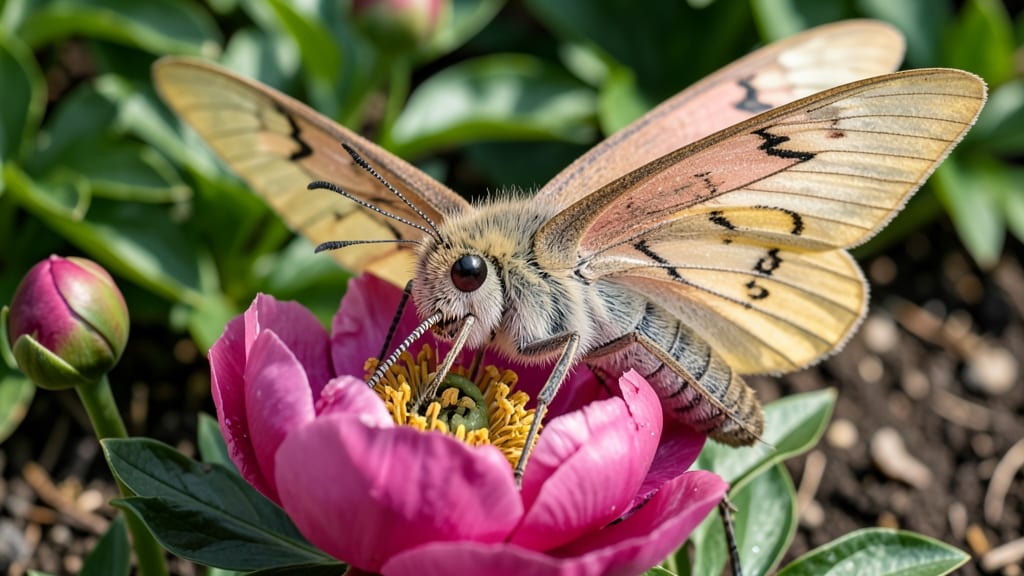
Deer do eat peony flowers 🌸, and those delicate blooms are often a high-protein snack for browsing deer in your garden.
Picture this: you’ve waited all spring for your peonies to burst into color, only to wake up to chewed petals and nibbled foliage. It’s a heartbreaking sight, but the good news is that you can outsmart these garden guests with the right strategies.
Peonies aren’t just about their flowers—deer may also go for the leaves and even dig up the roots for a meal. Understanding their feeding habits is the first step to protecting your plants, whether you’re in Zone 6a or beyond.
From natural repellents to smart planting tricks, I’ll show you how to keep your peonies thriving without resorting to harsh chemicals or expensive fencing.
Do deer eat peony flowers? The science behind their garden habits
Peonies are one of the most beloved garden flowers, prized for their lush blooms and sweet fragrance. But if you’ve ever spotted deer browsing your garden, you might wonder: do deer eat peony flowers? The answer isn’t as straightforward as you’d think.
Deer are opportunistic feeders, and while they don’t always target peonies, certain conditions make these plants irresistible to them. Understanding their preferences can help you protect your garden before damage occurs.
Deer primarily feed on tender new growth and soft foliage, but they’ll also nibble on flowers when other food sources are scarce.
Peony foliage is less appealing than some other plants, but the delicate petals and young shoots can become a snack—especially in late spring when deer are searching for fresh greens. The key is recognizing which parts of the peony they target and how to deter them before they start munching.
| Peony Part | Deer Preference | Risk Level | Why? |
|---|---|---|---|
| Foliage (Leaves) | Moderate | Medium | Young, tender leaves are palatable but not a top choice. |
| Flower Buds | High | High | Soft and sweet; deer target these when other food is scarce. |
| Open Blooms | Low | Low | Less tender; deer usually avoid unless desperate. |
| Roots/Tubers | Very Low | Low | Deep underground; deer rarely dig for peony roots. |
| Seed Pods | Moderate | Medium | Only if other options are unavailable in late summer. |
Deer typically avoid mature peony foliage but will munch on flower buds and young shoots when other food sources are limited. This is especially true in late spring and early summer, when deer are searching for fresh, nutrient-rich greens.
The sweet scent of peony buds can also attract them, making your garden a tempting stop for hungry deer. If you’ve noticed chewed petals or missing buds, it’s a clear sign they’re targeting your peonies.
Not all peony varieties are equally appealing to deer. Herbaceous peonies, which die back to the ground each year, are more vulnerable because their new growth is soft and tender. Tree peonies, on the other hand, are less likely to be eaten because their woody stems and mature leaves are less palatable.
Choosing the right variety can reduce the risk of deer damage while still giving you stunning blooms.
Deer are also more likely to target peonies in wooded or shaded gardens, where other food options are limited. If your peonies are planted in open, sunny areas with plenty of alternative plants like hostas or daylilies, deer may overlook them entirely.
However, if your garden is a deer’s primary food source, even the toughest peony varieties won’t be safe without protection.
One of the biggest mistakes gardeners make is assuming deer won’t eat peonies because they’re not a deer’s first choice. In reality, deer will eat almost anything if they’re hungry enough.
The key to protecting your peonies is combining deterrents, such as repellents, physical barriers, and plant companions, to create an unwelcoming environment. This approach makes your garden less appealing while keeping deer at bay.
If you’ve already lost peonies to deer, don’t despair. Many gardeners successfully protect their plants by planting deer-resistant alternatives nearby, like lavender, rosemary, or alliums, which deer avoid. These plants act as a natural buffer, reducing the likelihood that deer will even notice your peonies.
Pairing deterrents with regular garden maintenance—such as removing fallen leaves and debris—can also make your garden less inviting to foraging deer.
Understanding deer behavior is the first step in protecting your peonies. While they may not always eat them, the risk is real—especially in areas with high deer populations.
By recognizing their preferences and taking proactive steps, you can enjoy your fragrant peony blooms without worrying about deer turning your garden into a snack bar. 🌸
Top 5 natural deer deterrents to protect peony blooms
Deer have a reputation for nibbling on peony flowers and foliage, often turning your prized garden into a grazing zone. While they don’t exclusively target peonies, these fragrant blooms rank high on their menu—especially during late spring and summer when food is scarce.
The good news? You can deter deer naturally without resorting to harsh chemicals or expensive fencing. Let’s explore five eco-friendly solutions that work with your garden’s ecosystem.
Before diving into deterrents, it’s key to understand deer behavior. They’re crepuscular feeders, meaning they’re most active at dawn and dusk. This timing makes scent-based repellents and physical barriers especially effective. The goal is to disrupt their feeding patterns while keeping your peonies lush and thriving.
Whether you’re dealing with a few curious bucks or a full herd, these methods offer practical, long-term protection.
- ✅ Yes, deer eat peony flowers—both the petals and buds—especially when other food sources are limited. They also consume foliage and roots during harsh winters.
- 🌸 Peony varieties vary in appeal: Herbaceous peonies (like 'Sarah Bernhardt') are more vulnerable than tree peonies due to their softer stems and tender growth.
- 🦌 Signs of deer damage include chewed petals, missing buds, and trampled foliage. Deer also leave behind droppings near peony beds.
- 🌱 Young peony plants are high-risk targets because deer prefer tender, new growth over established perennials.
- 🌙 Peak vulnerability occurs in late spring (May-June) during bloom season and early fall (September-October) when deer prepare for winter.
One of the most effective natural deer deterrents is companion planting. Deer tend to avoid plants with strong scents or prickly textures. Interplanting your peonies with alliums, lavender, or Russian sage creates a scent barrier that confuses and repels them.
For example, garlic chives planted around peony beds emit a scent deer dislike, while thorny roses add a physical deterrent. This method is low-maintenance and chemical-free, making it ideal for organic gardens.
Scent-based homemade repellents are another powerful tool. Deer have a keen sense of smell, so mixing rotten eggs, hot peppers, or predator urine (like coyote or fox urine, available at garden centers) with water creates a foul odor that deters them. Reapply every 1-2 weeks or after rain.
For a DIY option, blend one egg, one cup of water, and a handful of cayenne pepper, then spray around peony beds. The strong smell masks the fragrant peony blooms, making your garden less appealing.
Physical barriers like deer-resistant fencing or plant cages offer a more permanent solution. A 6-8 foot tall fence made of wood, vinyl, or woven wire is the gold standard, but it’s costly.
A more budget-friendly alternative is a low fence (3-4 feet) topped with barbed wire or prickly branches, which deer are reluctant to climb. For individual peony plants, wrap them in chicken wire or netting during peak bloom season. This method is highly effective but requires seasonal setup and removal.
Motion-activated deer deterrent devices use sound or light to startle animals away. Solar-powered spray systems release a water or vinegar spray when deer approach, while ultrasonic emitters produce high-frequency sounds that irritate their ears.
These tools are humane and reusable, making them a great addition to your garden’s defense strategy. Pair them with reflective tape or wind chimes to enhance the effect—deer are sensitive to sudden movements and noises.
Finally, habitat modification can reduce deer visits long-term. Remove overgrown brush and dense ground cover near your peony beds, as these provide hiding spots and easy access for deer.
Instead, opt for open, well-lit areas with native grasses or clover, which deer may graze on but are less likely to trample. Planting deer-resistant ground covers like creeping thyme or sedum around peony borders adds another layer of protection while enhancing your garden’s aesthetic.