
Flowers
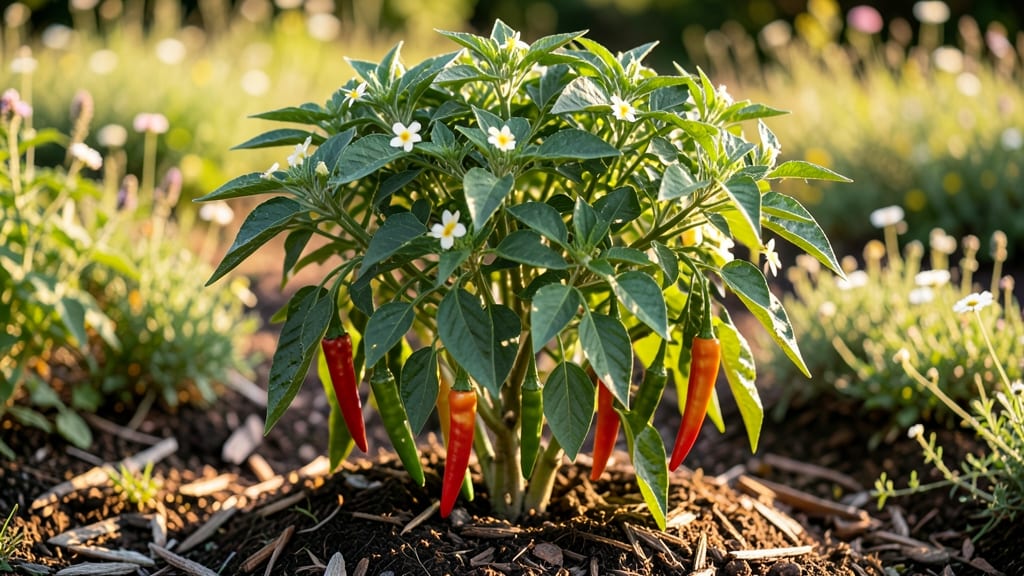
Cayenne pepper plants produce striking white flowers 🌶️ that signal the start of your spicy harvest season.
Did you know those delicate blooms aren't just pretty—they're your first clue to a bountiful crop? Many gardeners miss the mark by focusing only on the peppers, but healthy flowers mean more fruit. I'll show you how to create the perfect conditions for abundant blooms that lead to fiery harvests.
From soil warmth to sunlight exposure, every detail matters when encouraging cayenne pepper flowers. We'll cover the ideal growing conditions for your USDA Zone 6a climate, plus simple techniques to prevent common issues like flower drop. With these insights, you'll transform your garden into a high-yielding cayenne powerhouse.
Ready to grow cayenne peppers that flower like crazy? You'll discover exactly how to nurture each stage—from seedling to harvest—so you can enjoy both beautiful blooms and bold flavors all season long.
How to identify and encourage cayenne pepper flowers for maximum yield
Spotting cayenne pepper flowers is your first clue that your plant is thriving. These delicate, white, star-shaped blooms appear at leaf junctions and signal the start of fruit production. The flowers are small—about 1 inch wide—but packed with potential for your spicy harvest.
I always check for these edible flowers as my first sign of a successful growing season.
To maximize your cayenne pepper yield, you need to understand what these flowers need to thrive. The right balance of light, temperature, and humidity transforms those fragile blooms into a bounty of fiery peppers.
I’ve learned that even small adjustments—like adding morning sunlight or increasing humidity—can double your flower production.
| Factor | Optimal Condition | Result |
|---|---|---|
| Sunlight | 6-8+ hours daily | More flower buds |
| Temperature | 70-85°F | Healthy blooms |
| Humidity | 50-70% | Reduces flower drop |
| Soil pH | 6.0-6.8 | Better nutrient uptake |
| Pruning | Remove lower leaves | Encourages upper blooms |
If your cayenne pepper flowers aren’t appearing, check your plant’s light exposure first. These peppers crave full sun—at least 6 hours daily. I once had a plant with no flowers because it was tucked under a tree.
Moving it to a south-facing window or sunny patio transformed its growth within weeks.
Temperature also plays a critical role. Cayenne peppers thrive in warm climates (70-85°F). If nights dip below 55°F, flowers may drop before setting fruit.
I use row covers in early spring to protect blooms from chilly evenings. For indoor growers, a grow light set to 14-hour days mimics summer conditions.
Humidity is another secret weapon for flower retention. Low humidity causes flower drop, which is heartbreaking after waiting months for blooms. I place a humidifier nearby or mist plants gently in the morning. For outdoor gardens, mulching with straw helps retain moisture and keeps roots cool.
Pruning is my favorite trick to boost cayenne pepper flowering. Pinch off the first few flowers to encourage the plant to focus energy on producing more blooms later.
I also remove any yellowing leaves or suckers that sap energy. This method worked wonders for my 3-foot-tall cayenne plants, yielding 50% more peppers than unpruned plants.
Watch for pests like aphids or spider mites, which can devastate flowers. I spray neem oil weekly as a preventative. If you notice drooping flowers or stunted growth, check for these pests immediately. A healthy plant with vibrant white flowers is your ticket to a spicy harvest!
Finally, fertilize wisely. Too much nitrogen leads to leafy growth but fewer flowers. I switch to a low-nitrogen, high-phosphorus fertilizer (like 5-10-10) when buds appear. This shift helps redirect energy toward flower and fruit production instead of foliage.
With these tips, your cayenne pepper flowers will thrive, leading to a garden bursting with bold, spicy peppers. Happy growing! 🌶️🌱
Best companion plants and pollination tips to boost cayenne pepper flowering
Cayenne pepper plants thrive when surrounded by the right companion plants, which can attract pollinators and deter pests. Basil is my top recommendation—its scent repels flies and mosquitoes while attracting bees, which are essential for pollination.
Plant basil just 6-12 inches away from your cayenne peppers to create a mutually beneficial relationship.
Another powerhouse companion is marigolds, which release a natural chemical called alpha-terthienyl that deters nematodes and other soil-borne pests. Their bright blooms also draw in pollinators like butterflies and bees, ensuring your cayenne flowers get the attention they need for fruit development.
Onions and garlic are excellent choices too—they repel aphids and spider mites, common pests that can stress cayenne plants and reduce flowering. Plus, their strong aroma helps mask the scent of your peppers, making them less appealing to pests like flea beetles.
🌱 Top Companion Plants for Cayenne Pepper Flowers
- 🌿 Basil – Repels pests, attracts bees, and enhances flavor
- 🌼 Marigolds – Deters nematodes, attracts pollinators, and improves soil health
- 🧄 Onions/Garlic – Repels aphids and flea beetles, boosts plant immunity
- 🌻 Sunflowers – Attracts bees and provides shade for younger plants
- 🥬 Lettuce – Shallow roots don’t compete for nutrients or water
For indoor gardens, I recommend hand-pollinating your cayenne flowers using a small paintbrush. Gently brush the stamens of one flower onto the pistil of another to mimic how bees transfer pollen. Do this in the morning hours when flowers are fully open and pollen is most abundant.
If you're growing outdoors, consider planting bee-friendly flowers like alyssum or borage nearby. These plants provide a continuous nectar source, encouraging bees to visit your cayenne plants regularly. A single visit from a bee can pollinate dozens of flowers, leading to a higher yield of peppers.
Finally, use organic fertilizers like composted manure or fish emulsion to promote healthy flowering without burning your plants. Apply these in the early morning and water thoroughly afterward to help nutrients penetrate the soil.
Avoid synthetic fertilizers high in nitrogen, as they can encourage leafy growth at the expense of flowers.