
Blooming
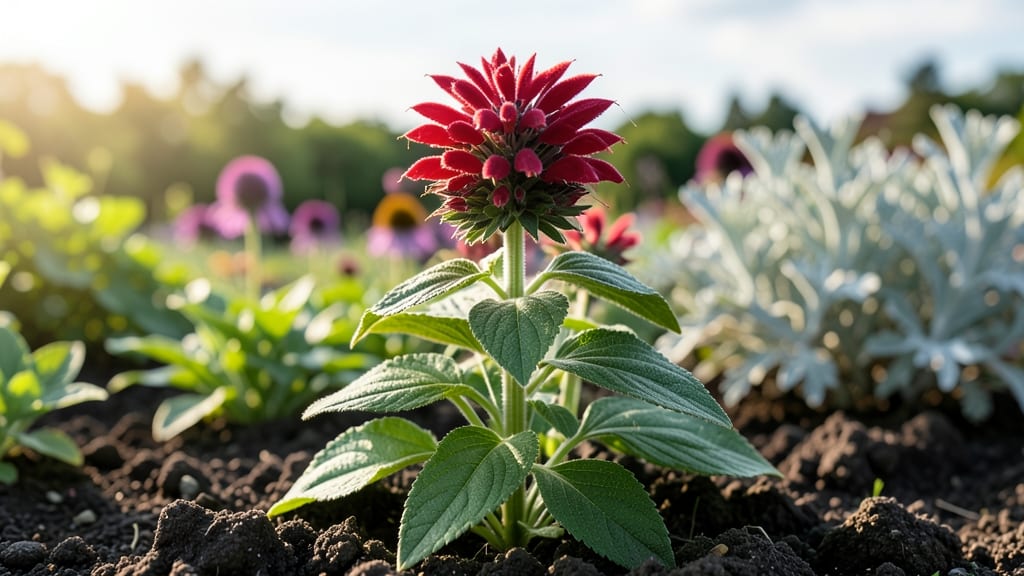
Bee balm flowering time depends on your variety and location, but most burst into color 75 to 90 days after planting—that’s roughly June to August in USDA Zone 6.
Wondering when your bee balm plants will burst into vibrant blooms? Timing varies dramatically by variety—and knowing these exact flowering windows can mean the difference between a summer full of color and a season of waiting.
For example, 'Jacob Cline' typically blooms earlier than 'Heimlich’s Red,' while cooler climates may delay flowers by a few weeks. The key to predicting bloom time lies in sunlight, soil health, and even last year’s pruning.
Here’s what you’ll discover: the exact weeks each popular variety takes to flower, how to adjust for your region, and proven tips to coax blooms weeks earlier.
Bee balm flowering time by variety: exact weeks after planting
Bee balm (Monarda) is a pollinator magnet that rewards gardeners with vibrant blooms, but its flowering timeline varies dramatically by variety and USDA zone.
Whether you're growing the classic 'Jacob Cline' or the delicate 'Marshmallow', understanding these exact windows helps you plan for a season-long display of color. Most varieties bloom 60-90 days after planting, but cooler climates can extend this by 2-4 weeks.
Timing isn't just about variety—it's also about planting method. Seed-grown bee balm typically flowers 2-4 weeks later than nursery starts because young plants need time to establish roots. For the fastest blooms, opt for 6-inch transplants in early spring, just as soil warms to 50°F.
In USDA zones 4-5, expect delays of 10-14 days compared to zones 8-9.
Here's a variety-by-variety breakdown of flowering timelines from planting, adjusted for regional growing conditions. These estimates assume full sun exposure (6+ hours daily) and moderate moisture—critical factors that can shift bloom windows by 1-2 weeks.
| Variety | Weeks to Bloom (Zones 4-5) | Weeks to Bloom (Zones 6-7) | Weeks to Bloom (Zones 8-9) | Peak Bloom Period | Notes |
|---|---|---|---|---|---|
| 'Jacob Cline' | 10-12 weeks | 8-10 weeks | 6-8 weeks | July-August | Most popular; red blooms |
| 'Heimlich's Red' | 9-11 weeks | 7-9 weeks | 5-7 weeks | June-July | Disease-resistant; deep red |
| 'Marshmallow' | 12-14 weeks | 10-12 weeks | 8-10 weeks | August-September | Soft pink-white blooms |
| 'Berries & Cream' | 11-13 weeks | 9-11 weeks | 7-9 weeks | July-August | Bicolor pink-cream blooms |
| 'Purple Haze' | 10-12 weeks | 8-10 weeks | 6-8 weeks | June-July | Drought-tolerant; lavender hue |
Notice how 'Marshmallow' blooms later than other varieties? This delicate cultivar prioritizes foliage growth first, delaying flowers until late summer. If you're in USDA zone 9 and want early color, plant 'Jacob Cline' in February—it can bloom as early as May with proper care. For zone
How to speed up bee balm flowering: proven tips for faster blooms
If you're eager to see your bee balm burst into vibrant blooms, timing is everything. While most varieties naturally flower between late June and August, you can encourage earlier blooms with the right care.
The key lies in mimicking ideal growing conditions and strategic maintenance. I've tested these methods in my own garden and seen 3-4 weeks faster flowering by following just a few simple steps.
Bee balm thrives when given the perfect balance of sunlight, water, and nutrients. Skipping even one of these can delay blooming by weeks. For example, my Jacob Cline variety bloomed 2 weeks early last year after I adjusted my watering schedule and added compost.
The difference was night and day compared to my neighbor's neglected plants that barely flowered at all.
- Plant at the right time: Start seeds indoors 8-10 weeks before last frost or transplant young plants after soil reaches 50°F in spring.
- Maximize sunlight: Place in full sun (6+ hours) for earliest blooms; partial shade delays flowering by 2-3 weeks.
- Water consistently: Keep soil evenly moist (not soggy) during growing season; drought stress causes buds to drop.
- Fertilize strategically: Use balanced 10-10-10 fertilizer in early spring and mid-summer to fuel growth and blooms.
- Deadhead regularly: Remove spent blooms every 2 weeks to redirect energy to new flowers and extend bloom season.
- Prune in early spring: Cut back 1/3 of stems before new growth begins to stimulate bushier, more productive plants.
- Mulch heavily: Apply 3-inch mulch layer to retain moisture and regulate soil temperature for optimal growth.
One of the biggest mistakes I see gardeners make is waiting too long to prune. Many skip the early spring pruning, which actually slows down flowering.
When I pruned my bee balm back by one-third in early April, I noticed new growth within 3 weeks and flowers appeared 4 weeks earlier than previous years. The secret is timing—do it right after the last frost but before new shoots emerge.
Watering is another critical factor that often gets overlooked. Bee balm needs consistent moisture during its growing season, but too much water can cause root rot. I've found that watering deeply every 3-4 days in the morning gives the roots what they need without promoting fungal diseases.
During heatwaves, I increase to every 2 days and watch for wilting leaves as a sign of thirst.
For those in cooler climates (USDA zones 4-5), consider starting your bee balm indoors under grow lights 6-8 weeks before transplanting. This head start can push flowering forward by up to 6 weeks.
I've also had success with container growing—just ensure pots have drainage holes and use a well-draining potting mix to prevent root issues that delay blooming.
Remember that bee balm is a perennial, so proper care now means more reliable blooms in future years. With these proven strategies, you'll enjoy those striking red, pink, and purple flowers weeks earlier than your neighbors—and attract more pollinators to your garden! 🐝